Are you tired of clutter taking over your outdoor space? Imagine having a neat, sturdy cupboard right outside your door to keep all your tools, gardening supplies, and outdoor gear organized and protected.
Building your own outdoor storage cupboard isn’t as hard as you might think. With the right steps, you can create a practical and stylish solution that fits your needs perfectly. Keep reading, and you’ll discover simple tips and clear instructions to make your project a success—turning your outdoor chaos into calm in no time.

Credit: m.youtube.com
Choosing Materials
Building an outdoor storage cupboard needs careful material choices. Good materials keep your cupboard strong and lasting long.
Pick materials that resist weather and stay durable outside. This guide helps you choose wood, finishes, and hardware.
Wood Types For Durability
Choose wood that stands up to rain, sun, and cold. Cedar, redwood, and teak are good options. These woods resist rot and insects well.
- Cedar:Lightweight and naturally resistant to decay.
- Redwood:Strong with good weather resistance.
- Teak:Very durable but more costly.
- Pressure-treated pine:Affordable and treated to resist insects.
Weatherproof Finishes
Apply weatherproof finishes to protect wood from moisture and UV rays. Finishes help wood last longer and keep its look.
| Finish Type | Description | Benefits |
|---|---|---|
| Exterior Paint | Opaque coating that covers wood | Protects well from sun and rain, hides wood grain |
| Wood Stain | Penetrates wood, keeps natural look | Enhances wood grain, resists water |
| Clear Sealer | Transparent finish to seal wood | Keeps natural color, blocks moisture |
Hardware Essentials
Use hardware that does not rust or corrode outside. Stainless steel and galvanized metals work best.
- Stainless steel hinges and screws
- Galvanized nails and bolts
- Rust-resistant handles and locks
- Weatherproof magnetic catches or latches
Credit: www.familyhandyman.com
Planning Your Cupboard
Building an outdoor storage cupboard requires careful planning. This ensures it meets your needs and fits your space.
Let’s explore how to plan for sizing, design, and the tools you’ll need.
Sizing And Dimensions
Consider the size of your outdoor area. Measure the space where the cupboard will be placed.
- Measure the height, width, and depth available.
- Decide how much storage space you need.
- Ensure easy access to the cupboard.
Designing Shelves And Doors
Design shelves to maximize storage. Choose materials that withstand outdoor conditions.
| Component | Material |
| Shelves | Pressure-treated wood |
| Doors | Weather-resistant plywood |
| Hardware | Stainless steel |
Tools You Will Need
Gather the necessary tools before you start building. This saves time and effort.
- Measuring tape
- Drill and screwdriver
- Saw
- Hammer
- Level
Step-by-step Assembly
Building an outdoor storage cupboard is a great way to keep tools and supplies organized. Follow these clear steps to assemble your cupboard easily.
This guide breaks down the process into simple parts. Each section helps you build a strong and functional cupboard.
Cutting And Preparing Wood
Start by choosing good quality wood that can handle outdoor weather. Measure and mark all pieces carefully before cutting.
Use a saw to cut the wood to the right sizes. Sand the edges smooth to avoid splinters and prepare the surface for painting or sealing.
- Measure twice to ensure accuracy
- Cut panels for sides, top, bottom, and doors
- Sand all cut edges for safety
- Apply weather-resistant sealant if desired
Building The Frame
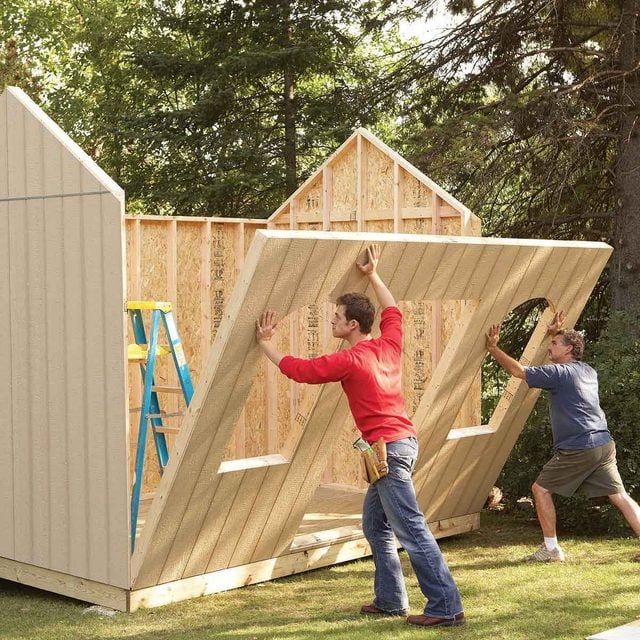
Assemble the frame first to give your cupboard a strong base. Use screws or nails to join the wood pieces firmly.
Check that the frame is square by measuring diagonally. This will help keep the cupboard stable and level.
- Join bottom and side panels
- Attach top panel securely
- Use a carpenter’s square for right angles
- Reinforce corners with brackets if needed
Installing Shelves And Doors
Fit shelves inside the frame to organize your storage space. Attach shelf supports first, then place the shelves on top.
Hang the doors using sturdy hinges. Make sure the doors open and close smoothly and align evenly.
- Install shelf brackets at desired heights
- Secure shelves with screws
- Attach hinges to doors and frame
- Test doors for proper fit and movement
Finishing Touches
Finishing touches protect your outdoor storage cupboard from weather damage. They also improve its look and lifespan. Proper finishing keeps your cupboard strong and neat for years.
Follow these simple steps to complete your cupboard with care. Focus on sanding, painting, sealing, and regular maintenance to keep it in top shape.
Sanding And Painting
Start by sanding all surfaces smooth. Use fine-grit sandpaper to remove rough spots. This helps paint stick better and gives a clean finish.
Choose outdoor paint that resists moisture and sun damage. Apply at least two coats for full protection. Let each coat dry completely before adding the next.
- Sand edges and corners carefully
- Use a brush or roller for even paint coverage
- Allow paint to dry in a dust-free area
- Inspect for missed spots and repaint if needed
Adding Weather Seals
Weather seals prevent water and dust from entering your cupboard. They keep your stored items dry and clean.
| Type of Seal | Use | Material |
| Door Gasket | Seal cupboard doors | Rubber or foam |
| Window Seal | Seal any glass panels | Silicone or rubber |
| Edge Trim | Protect edges from rain | Plastic or rubber |
Apply weather seals along door edges and joints. Press firmly to secure. Check seals regularly for wear and replace if damaged.
Maintenance Tips
Regular maintenance keeps your cupboard looking good and working well. Inspect it at least twice a year to catch problems early.
- Clean surfaces with mild soap and water
- Touch up paint chips or scratches
- Check and replace weather seals if cracked
- Lubricate hinges and locks for smooth use
- Keep the cupboard dry inside to prevent mold

Credit: www.ana-white.com
Frequently Asked Questions
What Materials Are Best For Outdoor Storage Cupboards?
Wood treated for weather resistance and marine plywood are ideal. Metal with rust-proof coating also works well. Choose durable, waterproof materials to ensure longevity and protection from the elements.
How Do I Waterproof An Outdoor Storage Cupboard?
Use waterproof sealants or outdoor paint designed for wood. Apply multiple coats to all surfaces, including edges and corners. This prevents water damage and extends the cupboard’s lifespan.
What Tools Are Needed To Build An Outdoor Storage Cupboard?
Basic tools include a saw, drill, measuring tape, screws, screwdriver, and paintbrush. A level and clamps help ensure precision. Safety gear like gloves and goggles is also essential.
How Can I Maximize Space Inside The Cupboard?
Install adjustable shelves and hooks to organize items efficiently. Use stackable bins or containers for small tools. Proper planning of interior layout optimizes storage capacity.
Conclusion
Building an outdoor storage cupboard can be simple and rewarding. Use the right materials and tools for best results. Take your time and follow each step carefully. A sturdy cupboard keeps your items safe and dry. Enjoy the extra space and organized outdoor area.
This project saves money and adds value to your home. Try it yourself and see how easy it can be. Small efforts lead to great improvements in your garden. Keep your outdoor space neat and functional with this cupboard.