Building a sturdy floor for your outdoor storage shed is the first step to creating a strong, lasting space for your tools and equipment. If you want your shed to stand firm through rain, wind, and heavy use, the floor needs to be just right.
In this guide, you’ll learn simple, clear steps to build a durable shed floor that fits your space and budget. Whether you’re a beginner or have some DIY experience, this article will give you the confidence and know-how to get the job done right.
Keep reading to discover the secrets to a shed floor that lasts for years.
Credit: www.extraspace.com
Choosing The Right Location
Picking the right spot is key for building your outdoor shed floor. A good location helps keep your shed strong and dry.
Think about the land and water flow before you start building. This will save you work later.
Assessing Ground Conditions
Check the soil where you want to build. Firm and flat ground is best for a shed floor.
Avoid soft or loose soil. It can make your floor uneven or cause it to sink over time.
- Look for hard, compact soil
- Clear away grass and roots
- Test the ground by pressing a stake into it
- Choose a flat area or level the ground
Ensuring Proper Drainage
Good drainage stops water from pooling under your shed. This protects the floor and walls.
Pick a spot that is higher than the nearby ground. This helps water run off easily.
- Avoid low spots where water collects
- Check how water flows after rain
- Use gravel or sand to improve drainage
- Make sure water flows away from the shed
Credit: www.familyhandyman.com
Selecting Materials For The Floor
Building an outdoor storage shed starts with a strong floor. The right materials make the floor sturdy and weather-resistant. Choosing the correct flooring is essential for durability.
Consider the climate and the weight of items you will store. This helps in selecting the best materials for the floor.
Best Wood Types
Wood is a popular choice for shed floors. It provides strength and natural beauty. Some wood types are more suitable for outdoor use.
- Pressure-treated plywood resists rot and insects.
- Cedar wood is durable and naturally resistant to decay.
- Redwood offers a long-lasting and attractive option.
Alternative Flooring Options
Not all shed floors need to be wood. Alternative materials can offer different benefits. Consider these options for your shed floor.
- Concrete provides a solid and low-maintenance foundation.
- Gravel is cost-effective and allows for good drainage.
- Plastic tiles are easy to install and clean.
Preparing The Foundation
Building a strong foundation is essential for a durable outdoor storage shed floor. This process starts with preparing the ground properly.
Focus on clearing and leveling the site before adding any base materials. This ensures stability and prevents future problems.
Clearing And Leveling The Site
Remove all plants, roots, rocks, and debris from the area where the shed floor will be built. A clean site helps create a stable base.
- Mark the shed’s dimensions with stakes and string.
- Clear grass, weeds, and topsoil inside the marked area.
- Dig down to firm soil or compacted ground.
- Use a shovel and rake to remove loose material.
- Check the level with a carpenter’s level or string line.
- Add or remove soil to make the ground flat and even.
- Compact the soil using a hand tamper or plate compactor.
Laying A Gravel Base
Spread a gravel base on the leveled soil to improve drainage and provide support. Gravel helps keep the shed floor dry and stable.
| Gravel Layer Step | Description | Recommended Thickness |
|---|---|---|
| Spread Gravel | Lay crushed stone or gravel evenly over the prepared soil. | 3 to 4 inches |
| Level Gravel | Use a rake to smooth the gravel surface evenly. | Flat and even |
| Compact Gravel | Use a tamper or plate compactor to compress the gravel. | Firm and stable |
Credit: www.durastorstructures.com
Building The Floor Frame
Building a strong floor frame is important for your outdoor storage shed. It supports the shed and keeps it stable.
This guide explains how to measure and cut joists, assemble the frame, and install floor boards.
Measuring And Cutting Joists
Start by measuring the length and width of your shed floor. This determines the size of the joists you need.
Use a saw to cut the joists to the correct length. Make sure each cut is straight and precise.
Assembling And Securing The Frame
Lay out the cut joists on a flat surface to form a rectangle. Space them evenly to support the floor boards.
Use screws or nails to join the joists together. Check that the frame is square before tightening all fasteners.
- Place joists about 16 inches apart
- Use a carpenter’s square to check corners
- Secure all joints firmly with screws
Installing Floor Boards
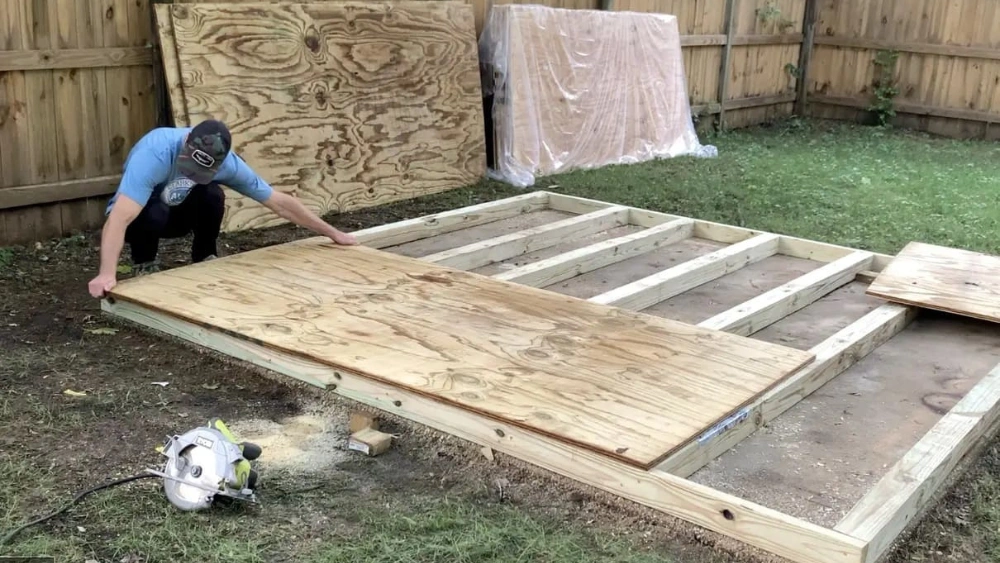
Lay the floor boards across the joists. Start at one end and work your way to the other.
Attach the boards with screws, making sure they are flush and tight. Leave a small gap between boards for drainage.
- Use treated wood for durability
- Keep gaps about 1/8 inch wide
- Check boards are level as you go
Frequently Asked Questions
What Materials Are Best For An Outdoor Shed Floor?
Pressure-treated wood and concrete are ideal materials for shed floors. They resist moisture and pests, ensuring durability. Composite materials also work well for low maintenance. Choose based on your budget, climate, and shed size for best results.
How Do You Prepare The Ground For Shed Flooring?
Clear the area of debris, grass, and roots first. Level the ground to prevent uneven floors. Add a gravel base for drainage and stability. Compact the gravel before laying the floor frame to ensure a solid foundation.
How Thick Should An Outdoor Shed Floor Be?
A shed floor should be at least 3/4 inch thick plywood. For heavier sheds, use 1-inch or thicker plywood. The thickness ensures strength and durability, supporting heavy tools and equipment without warping or breaking.
Can You Build A Shed Floor Without Concrete?
Yes, you can use a wood frame with pressure-treated beams on gravel. This method is cost-effective and easier to install. However, concrete offers better stability and moisture resistance, especially in wet climates.
Conclusion
Building a strong shed floor takes time and care. Choose the right materials and prepare the ground well. Measure twice to cut once, avoiding mistakes. Keep everything level to prevent future problems. A solid floor supports your entire shed. Follow these steps to create a long-lasting base.
Your tools and supplies matter a lot. Stay patient and work step by step. Soon, your shed will have a floor ready for use. Enjoy the satisfaction of a job done right.