Are you looking to add a stylish and functional piece to your home? Building a floor buffet cabinet might be just what you need.
Imagine having a custom cabinet that perfectly fits your space and stores your favorite dishes or décor. You don’t have to be a professional carpenter to create one. With simple steps and the right tools, you can build a beautiful floor buffet cabinet that suits your style and needs.
Keep reading, and you’ll discover easy-to-follow tips that make this project enjoyable and rewarding. Your dream cabinet is closer than you think!

Credit: www.youtube.com
Choosing Materials And Tools
Building a floor buffet cabinet needs good materials and the right tools. Choosing these carefully makes the project easier and better.
This guide helps you pick wood and prepare tools for your cabinet build.
Selecting The Right Wood
Wood choice affects how strong and good the cabinet looks. You want wood that lasts and fits your style.
- Oak is strong and has a nice grain. It is good for a sturdy cabinet.
- Maple is smooth and resists dents. It works well for a clean look.
- Pine is softer and easier to cut. It is cheaper but less durable.
- Cherry wood has a rich color that darkens with time. It adds a warm touch.
- Birch is light and has a fine grain. It is good for painting or staining.
Essential Tools Checklist
Having the right tools makes building safer and faster. Use quality tools for better results.
| Tool | Use |
| Measuring Tape | Measure wood pieces accurately |
| Table Saw | Cut wood to size |
| Drill | Make holes and drive screws |
| Clamps | Hold pieces together while glue dries |
| Sander | Smooth surfaces and edges |
| Hammer | Drive nails |
| Wood Glue | Join wood parts firmly |

Credit: www.youtube.com
Planning And Measuring
Building a floor buffet cabinet requires careful planning. You need to measure the space where it will go. This ensures the cabinet fits perfectly.
Proper planning helps you design a cabinet that meets your needs. It also prevents costly mistakes during construction.
Designing Your Cabinet
Start by sketching a design for your cabinet. Think about the style and function you want. Consider the number of shelves and drawers needed.
Your design should reflect your personal taste. It should also match the room’s decor. This will ensure a cohesive look in your space.
- Decide on the cabinet’s height and width
- Choose materials that suit your budget
- Think about the cabinet’s color and finish
Accurate Measurements
Measure the area where the cabinet will sit. Write down the height, width, and depth. These measurements are crucial for a good fit.
Use a measuring tape to get precise dimensions. Double-check your numbers to avoid errors. This step is vital for a successful build.
| Measurement | Required Tool |
| Height | Measuring Tape |
| Width | Measuring Tape |
| Depth | Measuring Tape |
Assembly Process
Building a floor buffet cabinet takes careful assembly. Following each step makes the process easier.
This guide shows how to put the cabinet frame, shelves, and doors together correctly.
Constructing The Frame
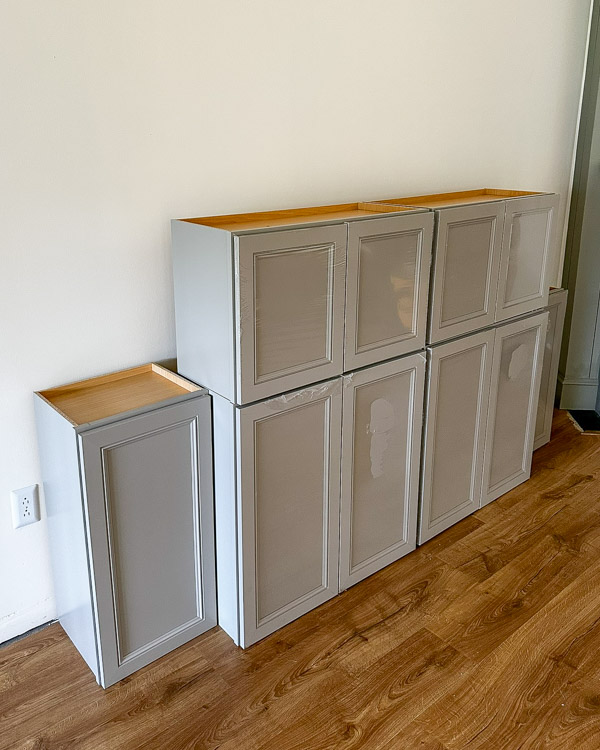
Start by assembling the main frame of the cabinet. This frame holds the entire structure.
Use wood panels for the sides, top, and bottom. Make sure all pieces fit tightly.
- Lay out all frame parts on a flat surface
- Attach side panels to the bottom panel using screws
- Fix the top panel to the sides securely
- Check that the frame is square and level
Installing Shelves And Doors
Next, add shelves inside the cabinet. Measure the height before attaching shelf supports.
After shelves, mount the doors using hinges. Align doors so they open smoothly.
- Place shelf supports at desired heights on side panels
- Slide shelves onto supports and secure if needed
- Attach hinges to doors first, then to the cabinet frame
- Test door movement and adjust hinges for even gaps
Credit: angelamariemade.com
Finishing Touches
Adding the final touches to your floor buffet cabinet makes it look complete. These steps improve both style and durability.
Focus on sanding and painting first, then add hardware and details to finish the project.
Sanding And Painting
Sanding smooths the wood surface and removes any rough edges. Painting or staining protects the wood and gives the cabinet its final look.
- Start with medium-grit sandpaper for rough areas.
- Use fine-grit sandpaper for a smooth finish.
- Clean off dust before painting.
- Apply primer if using paint for better adhesion.
- Use multiple thin coats of paint or stain.
- Let each coat dry fully before applying the next.
Adding Hardware And Details
Hardware adds both function and style to your cabinet. Choose handles and knobs that match your design.
| Hardware Type | Purpose | Tip |
| Knobs | Easy grip for doors | Pick sizes that fit your hand |
| Handles | Better leverage for drawers | Check screw length before installing |
| Hinges | Door movement support | Use soft-close for quiet closing |
| Decorative Trim | Enhance style | Match finish with cabinet color |
Measure and mark hardware locations carefully before drilling. Attach pieces securely to avoid loosening over time.
Frequently Asked Questions
What Materials Are Needed To Build A Floor Buffet Cabinet?
To build a floor buffet cabinet, you need plywood, wood glue, screws, hinges, handles, sandpaper, and paint or stain. Quality wood and hardware ensure durability and style. Proper tools like a saw, drill, and clamps are essential for assembly.
How Long Does It Take To Build A Floor Buffet Cabinet?
Building a floor buffet cabinet typically takes 1 to 3 days. Time varies based on skill level, design complexity, and drying time for paint or stain. Planning and preparation can reduce overall build time and improve results.
What Tools Are Essential For Building A Buffet Cabinet?
Essential tools include a circular saw, drill, measuring tape, clamps, screwdriver, and sander. These tools help cut, assemble, and finish the cabinet efficiently. Using the right tools improves precision and safety during construction.
How To Choose The Right Wood For A Buffet Cabinet?
Choose hardwoods like oak, maple, or birch for durability and appearance. Softwoods like pine are budget-friendly but less durable. Select wood with a smooth grain for easier finishing and long-lasting results.
Conclusion
Building a floor buffet cabinet can add style and storage to any room. Take your time with each step to ensure a strong, lasting piece. Choose materials that fit your space and budget. Simple tools and clear plans make the process easier.
Enjoy the satisfaction of creating furniture with your own hands. This project suits both beginners and those with some woodworking skill. Start small, learn as you go, and watch your cabinet come to life. A handmade buffet cabinet brings warmth and character to your home.