Have you ever found yourself staring at your office chair, wondering how to take it apart? Maybe you’re moving to a new place, need to fix something, or simply want to clean those hard-to-reach areas.
Whatever your reason, learning how to disassemble your office chair can save you time, money, and hassle. Imagine the satisfaction of knowing you can handle this task without calling for help or spending on a new chair. With the right guidance, taking apart your office chair is a straightforward process.
Dive into this article to discover a step-by-step approach that will empower you to tackle this task with confidence.

Credit: www.btod.com
Gathering Tools And Preparing
Taking an office chair apart requires some preparation and the right tools. Proper planning helps avoid frustration and damage. Gathering everything before starting saves time and keeps the process smooth.
Prepare your workspace to be safe and organized. This makes the job easier and faster. Clear space and good lighting are important.
Essential Tools Needed
- Screwdrivers (both flathead and Phillips)
- Allen wrenches or hex keys
- Adjustable wrench or pliers
- Rubber mallet (optional for stuck parts)
- Lubricant spray (like WD-40) for tight bolts
- Container or small box to hold screws and bolts
Setting Up Your Workspace
Choose a flat surface with enough room to spread out parts. A clean floor or large table works well. Good lighting helps you see small screws and bolts clearly.
Lay down a cloth or cardboard to protect both your chair and floor. Keep tools and parts close to avoid constant searching. Organize screws in a small container to prevent loss.

Credit: www.btod.com
Removing Chair Components
Removing the main parts of an office chair makes it easier to clean or repair. It also helps in safely packing or replacing broken sections. The process requires some basic tools like screwdrivers and wrenches. Working carefully prevents damage to the chair’s pieces.
Detaching The Seat And Backrest
Start by turning the chair upside down on a flat surface. Locate the screws or bolts that hold the seat to the base. Use the correct screwdriver or wrench to loosen and remove them.
Next, find the bolts connecting the backrest to the seat or frame. These are often hidden behind covers or under padding. Carefully remove these bolts to free the backrest. Keep all screws and bolts in a safe place for reassembly.
Removing Armrests And Base
Armrests attach to the seat or backrest with screws or bolts. Unscrew these carefully to remove each armrest. Some chairs have adjustable armrests that may require extra steps.
The chair base usually connects to the gas lift cylinder. Pull the base away after detaching any retaining clips or screws. If the base is stuck, gently tap it with a rubber mallet to loosen.
Disassembling The Base And Wheels
Disassembling the base and wheels of your office chair is an essential part of a full teardown. This process lets you access key components for repair or replacement. It might seem tricky, but with the right approach, you can do it quickly and safely.
Separating The Gas Lift Cylinder
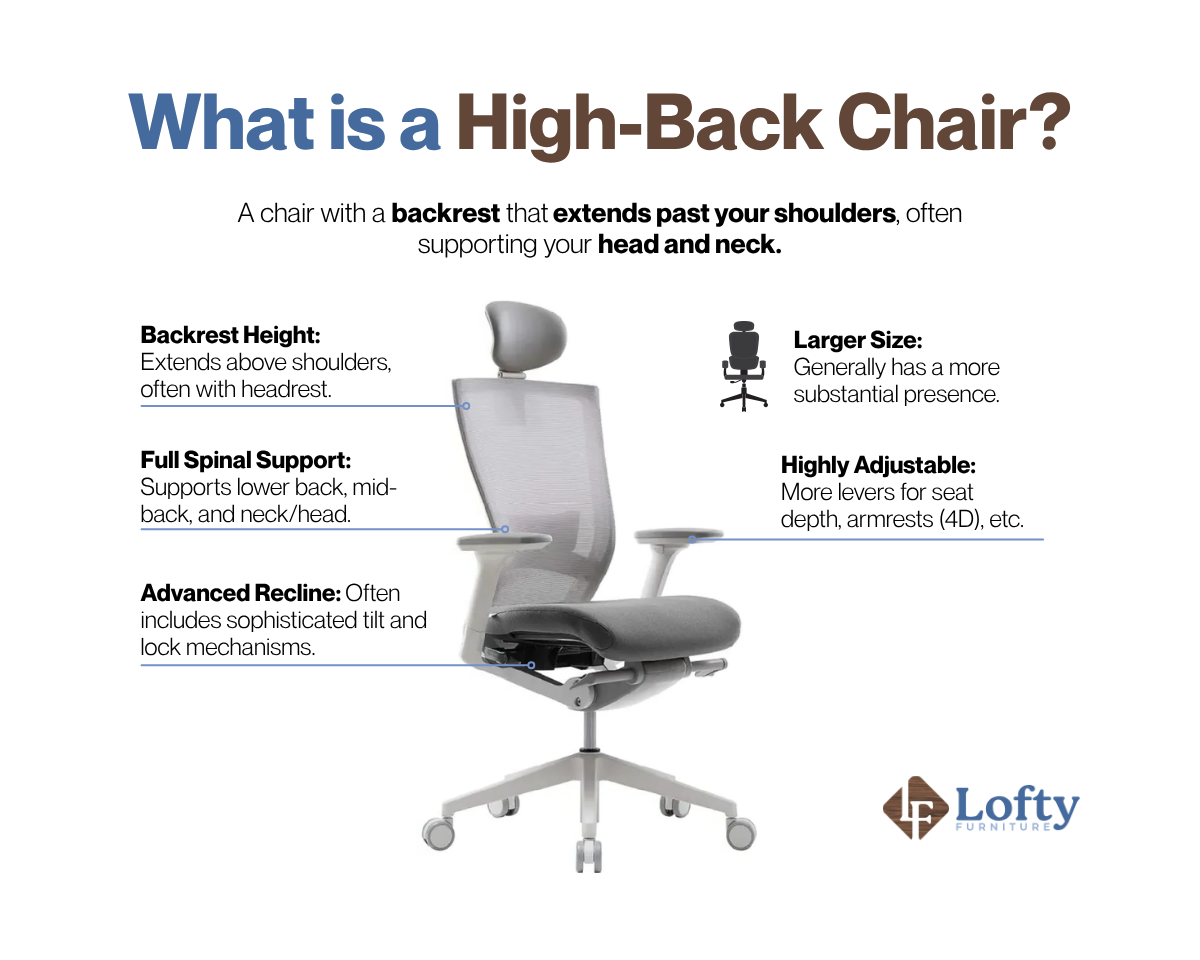
The gas lift cylinder connects the seat to the base and allows height adjustment. To separate it, start by turning the chair upside down on a flat surface. This gives you clear access to the cylinder and base connection.
Use a rubber mallet or a piece of wood to gently tap around the base of the cylinder. This loosens the cylinder from the base without damaging either part. If it feels stuck, try applying some penetrating oil and wait a few minutes before tapping again.
Once loose, pull the cylinder straight out. Avoid twisting it, as this can damage the components. Have you ever struggled with a stuck part that just wouldn’t budge? Patience and small, careful taps usually win the battle here.
Taking Off The Casters
Casters are the wheels that allow your chair to roll smoothly. Removing them can be straightforward if you know how. First, flip the base so the wheels face up.
Most casters simply snap into place. You can pull them out by hand, but if they resist, use a flathead screwdriver to gently pry them off. Be cautious not to apply too much force to avoid breaking the wheel housing.
Some caster stems have a locking ring or clip. Check for this and remove it with needle-nose pliers if needed. Have you checked all sides of your caster? Sometimes the locking mechanism is hidden, making removal tricky.
Once removed, clean the wheel sockets to remove debris. This makes reassembly smoother and prevents future sticking. Removing casters is easier than it looks and can save you money by allowing wheel replacement instead of buying a new chair.
Credit: loftyfurniture.com
Frequently Asked Questions
How Do I Safely Disassemble An Office Chair?
First, remove the seat and backrest by unscrewing bolts. Next, detach the armrests and base carefully. Use proper tools like screwdrivers and wrenches. Keep all parts organized. Always work on a flat surface to prevent damage or injury.
What Tools Are Needed To Take Apart An Office Chair?
You need a screwdriver, Allen wrench, and adjustable wrench. A hammer may help loosen tight parts. Keep a container for screws and small pieces. Having these tools makes disassembly efficient and safe.
How Can I Avoid Damaging Parts During Disassembly?
Work slowly and use the correct tools for each part. Avoid forcing parts apart. Keep screws and small pieces in labeled containers. This prevents loss and damage during reassembly or storage.
How Do I Remove The Gas Lift From An Office Chair?
Tilt the chair upside down. Use a rubber mallet to tap the gas lift base gently. If stuck, apply lubricant before tapping. This helps separate the gas lift from the chair base without damage.
Conclusion
Taking apart an office chair is easier than it seems. Follow the steps carefully and use the right tools. Keep track of all parts to avoid confusion later. This process helps with repairs, cleaning, or moving the chair. You save money by fixing the chair yourself.
Always work slowly and safely to prevent damage. Now, you can confidently handle your office chair anytime. Simple steps, clear actions, and a little patience make all the difference.