Have you ever found yourself staring at a locked filing cabinet, key nowhere to be found? It’s frustrating when important documents are trapped behind that stubborn lock.
But don’t worry—you’re not alone, and there’s a way to get inside without the key. You’ll discover simple, effective methods to unlock your filing cabinet quickly and safely. Whether you’re in a rush or just want to avoid calling a locksmith, these tips will help you regain access in no time.
Keep reading—you’ll be opening that cabinet before you know it.
Credit: www.acmelocksmith.com
Assess The Lock Type
Knowing the type of lock on your filing cabinet helps you find the right way to open it. Different locks need different methods to handle them without a key.
Before trying to open the cabinet, look closely at the lock. This will save time and avoid damage.
Identify Cam Locks
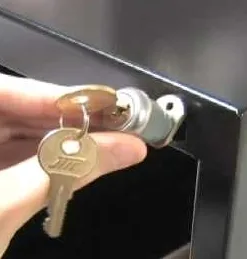
Cam locks are common on filing cabinets. They have a small metal piece that turns to lock or unlock the drawer. These locks are usually round and have a keyhole in the center.
Check For Tubular Locks
Tubular locks look like small cylinders. They often have a round keyhole with several pins inside. These locks require special tools for opening but can sometimes be picked with patience.
Look At Lever Locks
Lever locks use a set of levers inside to block or release the lock. They have a flat key with notches. These locks are harder to open without the key but can be identified by their shape.
Compare Lock Types In A Table
| Lock Type | Appearance | Key Shape | Common Use |
|---|---|---|---|
| Cam Lock | Round with center keyhole | Small round key | Filing cabinets, desks |
| Tubular Lock | Cylindrical with pin tumblers | Round tubular key | High-security cabinets |
| Lever Lock | Rectangular keyhole | Flat key with notches | Older cabinets, safes |
Credit: www.acmelocksmith.com
Use Common Tools
Unlocking a filing cabinet without a key is possible with common tools. Simple methods can help you access the cabinet quickly.
These techniques require items you likely have around the house. They are easy and effective for minor lock challenges.
Paperclip Method
The paperclip method is a classic technique. It is simple and uses a basic item found in most offices.
- Bend the paperclip into a straight line.
- Insert the straight end into the lock.
- Gently wiggle until you feel the lock click open.
Screwdriver Trick
A screwdriver can also help with opening locks. It is effective for cabinets with simple mechanisms.
Use a flat-head screwdriver and insert it into the lock.
Turn the screwdriver slowly to release the lock.
| Tool | Effectiveness |
| Paperclip | High |
| Screwdriver | Medium |
Try Alternative Unlocking Techniques
Sometimes, you lose the key to your filing cabinet. You may need to open it without the key. There are simple ways to try unlocking it.
This guide shows two easy techniques to help you open your filing cabinet. These methods use everyday items and simple tools.
Magnet Method
Some filing cabinets use magnetic locks. You can try a strong magnet to open these. The magnet moves the lock inside the cabinet.
Use a powerful magnet like a neodymium magnet. Hold it close to the lock area and move it slowly. This may release the lock.
- Find a strong magnet
- Place it near the lock
- Move the magnet slowly around
- Try opening the drawer gently
Shim Approach
The shim approach uses a thin piece of metal or plastic. It slides between the lock and the latch to push it open.
You can make a shim from a soda can or a plastic card. Insert it carefully into the gap near the lock. Push or wiggle it until the drawer opens.
- Create a thin shim from metal or plastic
- Find the gap between the drawer and the frame
- Insert the shim gently into the gap
- Move the shim to lift the latch
- Open the drawer once the latch moves
Credit: www.acmelocksmith.com
Prevent Future Lockouts
Filing cabinets often lock important documents. Losing the key can cause big problems. Taking steps to avoid lockouts saves time and stress.
Simple habits help keep your cabinet accessible. Use smart storage and care for the lock regularly.
Spare Key Storage
Keep a spare key in a safe place. This helps you open the cabinet if you lose the main key. Choose spots that are easy to remember but hard for others to find.
Do not keep the spare key inside the cabinet. Instead, try these options:
- Give a spare to a trusted coworker or family member
- Use a small lockbox in your office or home
- Store it in a drawer or safe that you use often
Lock Maintenance Tips
Regular care helps locks work smoothly. This reduces chances of getting stuck or broken. Clean and oil the lock every few months.
Follow these maintenance steps:
- Use a soft brush to remove dust from the lock
- Apply a graphite-based lubricant or light oil carefully
- Avoid using too much liquid that can attract dirt
- Test the lock after maintenance to ensure smooth operation
Frequently Asked Questions
How Can I Open A Filing Cabinet Without A Key?
You can try using a flathead screwdriver to gently pry the lock open. Alternatively, use a paperclip to pick the lock or call a locksmith for professional help.
Is It Safe To Pick A Filing Cabinet Lock?
Picking a lock can damage the cabinet and should be done carefully. Only pick locks on cabinets you own or have permission to open.
What Tools Do I Need To Unlock A Filing Cabinet?
Basic tools include a flathead screwdriver, paperclip, or lock-picking set. For stubborn locks, a locksmith’s tools may be required.
Can I Use A Magnet To Open A Filing Cabinet Lock?
Magnets usually don’t work on filing cabinet locks. These locks rely on mechanical pins, not magnetic components, so other methods are more effective.
Conclusion
Knowing how to open a filing cabinet without a key can save time and stress. Try simple tools like a paperclip or screwdriver carefully. Always stay patient and gentle to avoid damage. If nothing works, consider asking a locksmith for help.
Keep a spare key in a safe place next time. These tips help you handle locked cabinets easily and safely.