Your baby’s changing table is a busy spot, and keeping it clean is more important than you might think. Germs and bacteria can hide in places you don’t expect, putting your little one at risk.
But don’t worry—sanitising your baby changing table doesn’t have to be complicated or time-consuming. You’ll discover simple, effective steps to make sure your baby’s changing area stays safe and fresh. Keep reading to learn how easy it is to protect your baby’s health with just a few quick habits.

Credit: www.aaastateofplay.com
Choosing Safe Cleaning Products
Keeping your baby’s changing table clean is very important. Using safe cleaning products helps protect your baby’s skin.
Choose cleaners that remove germs without harmful chemicals. This keeps the area safe and healthy for your baby.
Non-toxic Options
Non-toxic cleaners use natural ingredients. They clean well and do not cause skin irritation or allergies.
Look for products with simple, natural ingredients. Ingredients like vinegar, baking soda, and mild soap are safe choices.
- White vinegar helps kill germs
- Baking soda removes stains and odors
- Mild castile soap cleans without harsh chemicals
- Essential oils like lavender add a gentle scent
Avoiding Harsh Chemicals
Harsh chemicals can harm your baby’s skin and breathing. Avoid cleaners with bleach, ammonia, or strong fragrances.
These chemicals can leave residues that irritate sensitive skin. They may also cause allergic reactions or breathing problems.
- Do not use bleach or ammonia-based cleaners
- Avoid products with artificial fragrances
- Steer clear of cleaners with harsh acids or solvents
- Choose products labeled safe for babies or sensitive skin
Credit: www.gauthmath.com
Preparing The Changing Table
Sanitising a baby changing table is important for your baby’s health. Start by preparing the table for a thorough cleaning.
Remove all items and clean the surface to ensure a germ-free area for your baby.
Removing Accessories
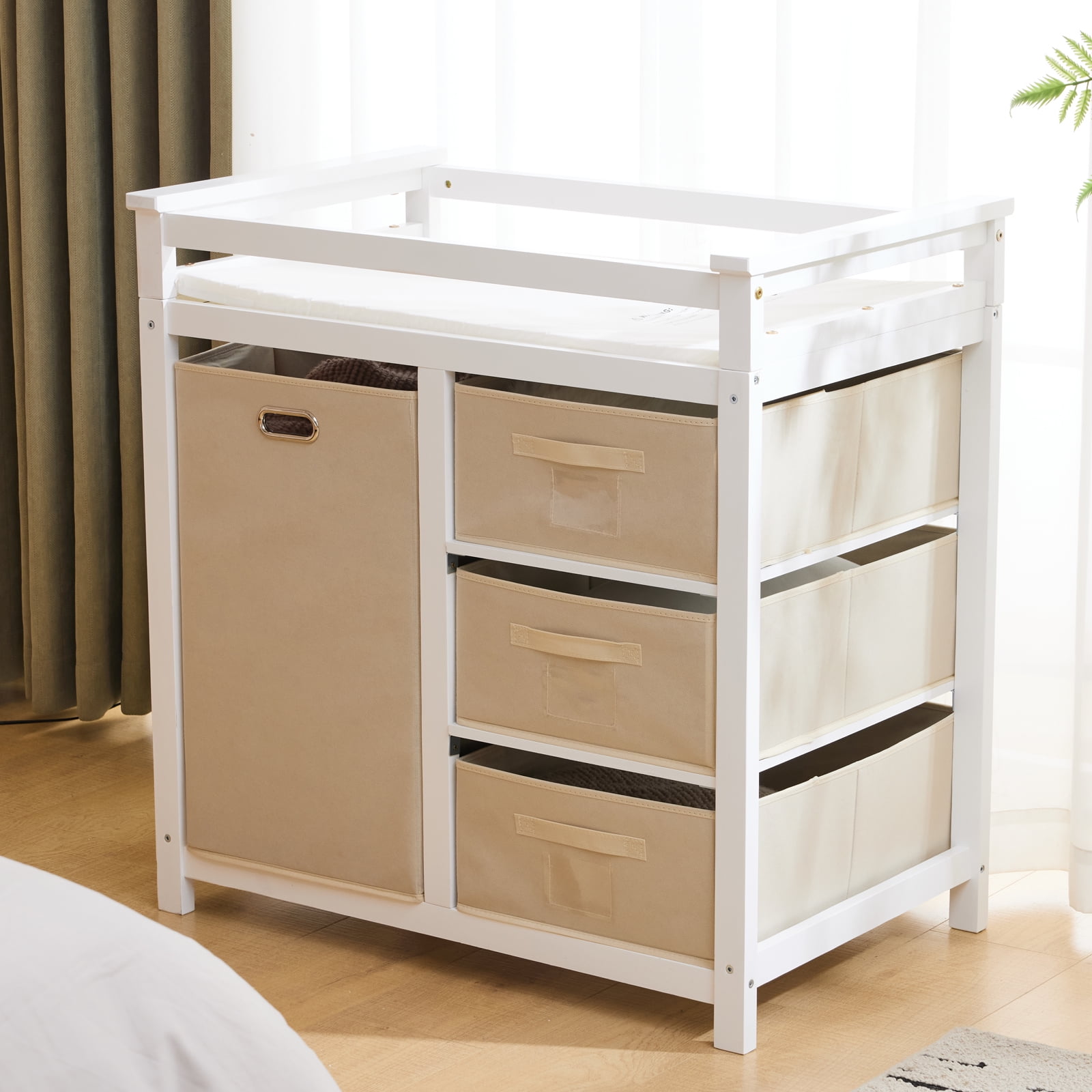
Take off any detachable items from the changing table. This includes covers, toys, and storage baskets.
- Unfasten the changing pad cover.
- Detach hanging toys or mobiles.
- Remove any storage baskets or bins.
Clearing Debris
After removing accessories, clear any debris or dirt. This makes cleaning easier and more effective.
Use a soft brush or vacuum to remove crumbs and dust.
| Item | Action |
| Crumbs | Brush away |
| Dust | Vacuum |
| Loose threads | Cut off |
Effective Sanitising Steps
Keeping your baby’s changing table clean is important for health. Germs can spread easily on this surface. Follow simple steps to sanitise it well.
Use safe and effective methods to wipe and dry the table. This helps keep your baby safe from bacteria and viruses.
Wiping And Disinfecting
Start by removing all items from the changing table. Use a damp cloth with mild soap to clean the surface. This removes dirt and residue.
- Spray a child-safe disinfectant on the surface.
- Let it sit for the time on the product label.
- Wipe the surface with a clean cloth.
- Pay attention to corners and edges.
- Clean any plastic or fabric parts separately.
Drying Properly
Drying the table after cleaning stops germs from growing. Use a fresh towel or cloth to dry the entire surface.
| Drying Method | Benefits |
|---|---|
| Air Drying | Leaves no lint, natural and easy |
| Towel Drying | Quick and thorough, removes moisture fast |
| Use of Paper Towels | Disposable and hygienic, reduces cross-contamination |

Credit: www.amazon.com
Maintaining Hygiene Between Changes
Keeping the baby changing table clean is important for your baby’s health. Germs can spread quickly on surfaces. Regular care helps stop infections.
Using protective covers and cleaning often lowers the risk of germs. This guide shows simple ways to keep the area safe.
Using Protective Covers
Protective covers create a barrier between your baby and the changing table. They catch mess and are easy to clean or replace.
- Choose covers made from waterproof material.
- Use washable covers that you can clean daily.
- Replace disposable covers after each use.
- Make sure the cover fits snugly to avoid slipping.
- Check covers for tears or damage before each use.
Regular Cleaning Schedule
Cleaning the changing table regularly stops germs from building up. Use safe cleaning products that kill bacteria but are gentle for babies.
| Cleaning Task | Frequency | Recommended Products |
| Wipe down the surface | After every change | Baby-safe disinfectant wipes or mild soap and water |
| Deep clean the entire table | Once a week | Non-toxic spray cleaner and soft cloth |
| Wash protective covers | Daily or after heavy soiling | Mild detergent in warm water |
| Inspect for damage | Weekly | Visual check, replace if needed |
Frequently Asked Questions
How Often Should I Sanitise A Baby Changing Table?
You should sanitise the baby changing table after every use. This prevents bacteria and germs from spreading. Regular cleaning keeps your baby safe and healthy.
What Is The Best Sanitiser For Baby Changing Tables?
Use a baby-safe, non-toxic sanitiser. Avoid harsh chemicals. Natural disinfectants like vinegar or diluted bleach solutions are effective and safe.
Can I Use Wipes To Clean The Changing Table?
Yes, antibacterial wipes are convenient and effective. Ensure they are safe for babies. Wipes help quickly remove germs and dirt.
Should I Clean The Changing Table Before Or After Use?
Always clean the table both before and after use. This ensures a hygienic surface for your baby at all times.
Conclusion
Keeping your baby’s changing table clean helps protect their health. Use gentle cleaners that remove germs without harming your baby’s skin. Wipe the surface often, especially after each change. Let the table dry completely before the next use. Clean hands and fresh wipes also make a big difference.
Small steps make a safe space for your baby. A clean changing area gives you peace of mind every day. Simple care keeps your baby happy and healthy.