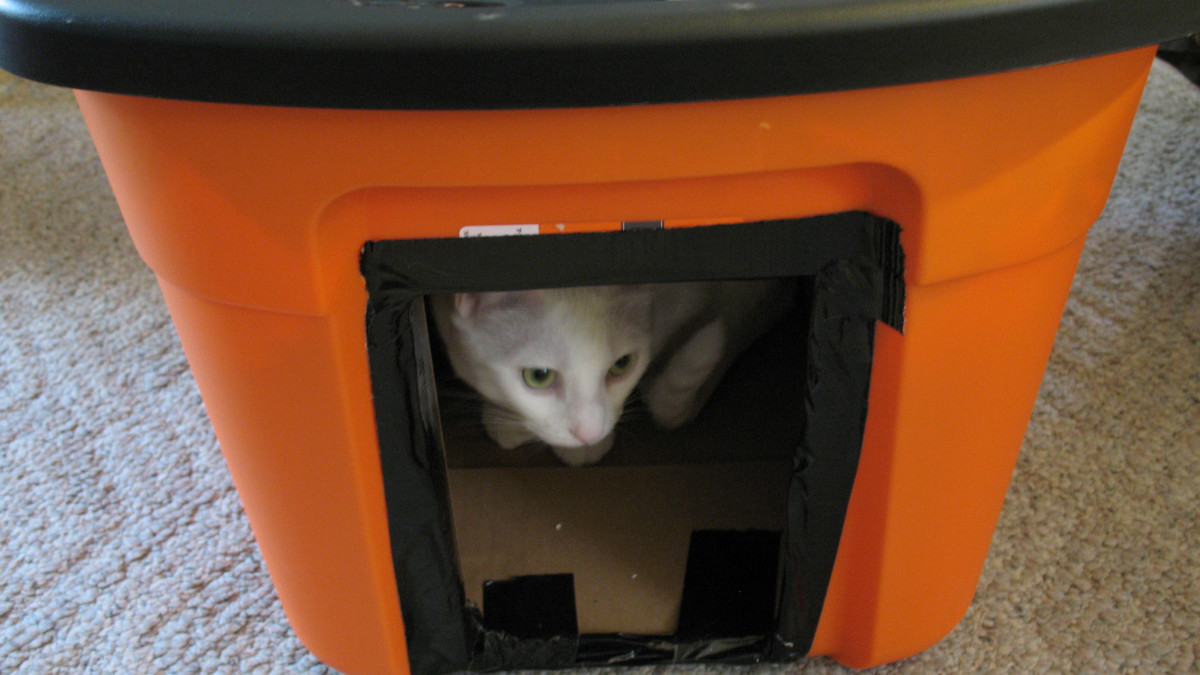
Are you looking for a smart way to keep your outdoor cat cozy while also organizing your garden space? Making an outdoor cat house storage bin is a simple project that can solve both problems at once.
Imagine giving your furry friend a warm shelter and having a handy spot to store your tools, toys, or supplies—all in one neat, stylish container. In this guide, you’ll discover easy steps to create a durable, weatherproof cat house that doubles as a storage bin.
Ready to make your outdoor space more functional and inviting? Let’s get started!
Credit: pethelpful.com
Choosing Materials
Building an outdoor cat house storage bin needs strong materials. You want it to last outside in all weather. Picking the right materials keeps your cat safe and your things dry.
This guide covers wood choices, waterproofing, and tools. These help make a sturdy and useful cat house storage bin.
Selecting Durable Wood
Use wood that can resist rain, sun, and cold. Cedar and redwood are good because they do not rot fast. Avoid soft woods like pine unless you treat them well.
- Cedar: Naturally resists insects and decay
- Redwood: Strong and weather-resistant
- Pressure-treated wood: Lasts longer outside
- Marine plywood: Good for wet conditions
Waterproofing Options
Waterproofing stops water from damaging the wood and keeps your cat dry. Use sealants or paint made for outdoor wood.
| Waterproofing Type | Pros | Cons |
| Exterior paint | Easy to apply, colorful | Needs reapplication every few years |
| Wood sealant | Penetrates wood, keeps natural look | Less color options |
| Waterproof membrane | Very strong water barrier | Needs careful installation |
Necessary Tools
Have the right tools before you start. This makes building faster and safer.
- Measuring tape to get exact sizes
- Saw for cutting wood pieces
- Hammer or drill to join parts
- Screwdriver for screws
- Paintbrush for applying sealant or paint

Credit: www.youtube.com
Designing The Cat House
Creating an outdoor cat house from a storage bin is a great DIY project. It can provide a safe and cozy shelter for your feline friend. Let’s explore how to design the perfect cat house.
Understanding the key components will help you build a functional and comfortable space. Focus on size, storage, and climate control features.
Determining Size And Shape
The size and shape of your cat house are crucial. It should be big enough for your cat to move around but small enough to retain warmth.
- Measure your cat’s length and height.
- Consider the space available in your yard.
- Decide on a shape that blends with your surroundings.
Incorporating Storage Features
Adding storage features can make the cat house more versatile. You can store cat toys or supplies inside.
Ventilation And Insulation
Proper ventilation and insulation are essential for your cat’s comfort. Ensure there is enough airflow without letting in too much cold air.
| Feature | Purpose |
| Vent Holes | Allow fresh air to circulate |
| Foam Insulation | Retains warmth |
| Weather Stripping | Prevents drafts |
Building Steps
Building an outdoor cat house storage bin is a simple project. It offers shelter for cats and space to store items. Follow these steps carefully for the best results.
This guide covers cutting and assembling parts, adding doors and lids, and sealing and finishing the bin.
Cutting And Assembling Parts
Start by cutting wood panels to size. Measure twice to ensure accuracy. You need walls, a base, and a roof panel.
- Cut two side panels of equal size.
- Cut a back panel to match the height and width.
- Cut a front panel with an opening for the cat door.
- Cut a base panel slightly larger for stability.
- Cut a roof panel with a slight overhang to keep rain out.
Use screws or nails to join the panels. Assemble the sides first, then attach the back and front. Finally, fix the base to the bottom.
Adding Doors And Lids
Attach a hinged door to the front opening for easy access. Use small hinges and a latch to keep it closed.
| Part | Material | Size (inches) |
|---|---|---|
| Cat Door | Wood or plastic flap | 8 x 8 |
| Hinges | Metal | 2 x 2 |
| Lid | Wood panel with waterproof paint | Matches roof size |
For the lid, attach it with hinges on the back. This allows easy opening to access the storage space inside.
Sealing And Finishing
Seal all edges and joints with weatherproof caulk. This keeps rain and moisture out.
- Sand all surfaces to smooth rough edges.
- Apply outdoor wood primer on all parts.
- Use waterproof paint or sealant for protection.
- Let each coat dry before applying the next.
Check the door and lid seals after finishing. Make sure they close tightly to protect the inside contents and keep cats warm.
Credit: www.lemon8-app.com
Maintaining The Cat House
Keeping your outdoor cat house clean and safe helps your cat stay healthy. Regular care extends the life of the cat house.
This guide covers cleaning tips, weather protection, and seasonal adjustments for your cat house storage bin.
Cleaning Tips
Clean the cat house often to stop dirt and pests. Use safe, gentle cleaners that do not harm cats.
- Remove all bedding and wash it weekly.
- Wipe down walls and floors with mild soap and water.
- Check for mold or mildew and clean it immediately.
- Rinse thoroughly and let dry before adding bedding.
- Inspect corners for bugs or spider webs.
Weather Protection
Protect the cat house from rain, wind, and sun. A solid roof and raised floor help keep it dry and warm.
| Weather Element | Protection Method |
| Rain | Waterproof roof and sealed edges |
| Wind | Windbreak walls or placement near shelter |
| Sun | Shade or UV-resistant paint |
Seasonal Adjustments
Change the cat house setup to match the season. Adjust bedding and insulation for comfort.
Seasonal care checklist:
- Spring:Clear out old bedding and add fresh material.
- Summer:Provide ventilation and keep the house shaded.
- Fall:Add warmer bedding and check for drafts.
- Winter:Use insulated liners and close openings to block cold air.
Frequently Asked Questions
What Materials Are Best For Outdoor Cat House Storage Bins?
Durable, weather-resistant materials like plastic or treated wood work best. They protect cats from rain and cold. Choose materials that are easy to clean and provide insulation for warmth.
How To Make A Cat House Storage Bin Waterproof?
Seal joints with waterproof caulk and use waterproof paint or sealant. Ensure the roof has a slight slope for water runoff. Elevate the bin off the ground to avoid water damage.
Can I Add Insulation To An Outdoor Cat House Storage Bin?
Yes, use foam boards or reflective insulation inside the bin. This keeps the interior warm in winter and cool in summer. Ensure the insulation is safe and covered to prevent chewing.
How Large Should The Outdoor Cat House Storage Bin Be?
The bin should be spacious enough for your cat to move comfortably. A size of at least 18x18x18 inches is ideal. Provide enough room for bedding and ventilation without being too big.
Conclusion
Building an outdoor cat house storage bin is simple and useful. It keeps your cat safe and your tools tidy. Use sturdy materials for long-lasting strength. Place it in a dry, quiet spot outside. Regular cleaning helps keep it fresh and inviting.
Your cat will enjoy a cozy shelter nearby. Enjoy the satisfaction of a neat and practical outdoor space. Try this project and see the benefits yourself.