You’ve probably asked yourself, “When is my baby too old for a changing table?” It’s a question many parents face as their little one grows and starts to become more independent. You want what’s best for your child’s comfort and safety, but also need to find practical solutions that fit your daily routine.
You’ll discover the signs that it’s time to say goodbye to the changing table and explore smart alternatives that make diaper changes easier for both you and your baby. Keep reading—you’ll find helpful tips that will make this transition smooth and stress-free.
Credit: glowing.com
Signs To Stop Using Changing Table
Parents often wonder when their baby is too old for a changing table. The right time depends on many factors. Watching your baby closely helps you decide when to stop using it.
Some signs show your child no longer needs a changing table. These signs include physical growth, behavior, and movement changes.
Physical Growth Milestones
As babies grow, they become too big for changing tables. If your child’s size makes it hard to fit safely, it is time to stop using the table.
Many babies outgrow the changing table by 2 to 3 years old. Their height and weight can cause safety risks on the table.
- Baby is taller than the table’s height limit
- Baby’s weight exceeds the table’s safety limit
- Baby cannot lie comfortably on the table
Behavioral Changes
When babies start resisting diaper changes, it shows they might be ready to stop using the changing table. They want more control and independence.
Throwing tantrums or trying to get off the table are signs of behavioral changes. These actions make changing unsafe on the table.
- Baby refuses to lie down on the changing table
- Baby tries to climb off during changes
- Baby shows signs of wanting to stand or move away
Increased Mobility
Babies who crawl, stand, or walk well find it hard to stay still on a changing table. Increased movement makes it risky to keep using it.
When your child can move fast, they may fall or hurt themselves. It is safer to change them on a secure surface on the floor or in a bathroom.
- Baby can crawl or stand without help
- Baby tries to jump or climb off the table
- Baby moves quickly during diaper changes
Age Ranges For Changing Table Use
Changing tables are a staple for new parents. They provide a safe space for diaper changes. Knowing when to transition from the table is important.
Different stages of a child’s development require different approaches. Let’s explore typical age ranges for changing table use.
Typical Newborn Stage
Newborns use changing tables frequently. Their small size and need for support make the table essential.
- Age: Birth to 3 months
- Needs: Frequent diaper changes
- Safety: Always secure and supervised
Infant To Toddler Transition
As babies grow, their needs change. They may start to outgrow the changing table.
| Age Range | Characteristics | Considerations |
| 4 to 12 months | Increased mobility | Safety is key |
| 1 to 2 years | Begin walking | May resist diaper changes |
Preschool Years
By preschool age, most children are transitioning to potty training. Changing tables become less necessary.
Consider using a small step stool for bathroom independence. This helps children reach the sink for handwashing.
Alternatives To Changing Tables
As babies grow, parents may find traditional changing tables less useful. There are other safe and practical options for diaper changes. These alternatives save space and fit different home setups.
Choosing the right changing spot depends on your baby’s age and your home’s layout. Here are some popular alternatives to changing tables.
Floor Changing Pads
Floor changing pads offer a simple and flexible way to change diapers. They are soft mats placed directly on the floor. This option works well for older babies who can sit or crawl.
These pads are easy to clean and store. You can move them to any room for convenience.
- Soft and cushioned for comfort
- Easy to clean with wipeable surfaces
- Lightweight and portable
- Safe for babies who can move
Portable Changing Stations
Portable changing stations are foldable and compact. They often have pockets for diapers and wipes. Parents can carry them during trips or use them at home.
This option works well for parents who need a quick and mobile changing solution. It also fits in small spaces easily.
- Lightweight and easy to carry
- Includes storage for essentials
- Can be used indoors or outdoors
- Quick to set up and fold away
Bathroom Adaptations
Bathrooms can be adapted to serve as changing areas. Using a sturdy counter or a flat surface with a changing pad works well. Bathrooms often have easy access to water for cleaning.
Some parents use the bathroom sink area or a low shelf for diaper changes. This keeps everything close and helps with hygiene.
- Use a non-slip changing mat on counters
- Keep wipes and diapers nearby
- Ensure the surface is stable and clean
- Make use of bathroom storage for supplies

Credit: www.reddit.com
Safety Tips As Baby Grows
As babies grow, their needs and risks change. Parents must adjust safety measures to keep them safe. Changing tables need special attention to prevent accidents.
Understanding when to stop using a changing table can help avoid falls and injuries. This guide covers key safety tips for this important stage.
Preventing Falls
Babies can move quickly and unexpectedly. Falls from changing tables can cause serious injury. Keep these points in mind to prevent falls:
- Never leave your baby unattended on the changing table.
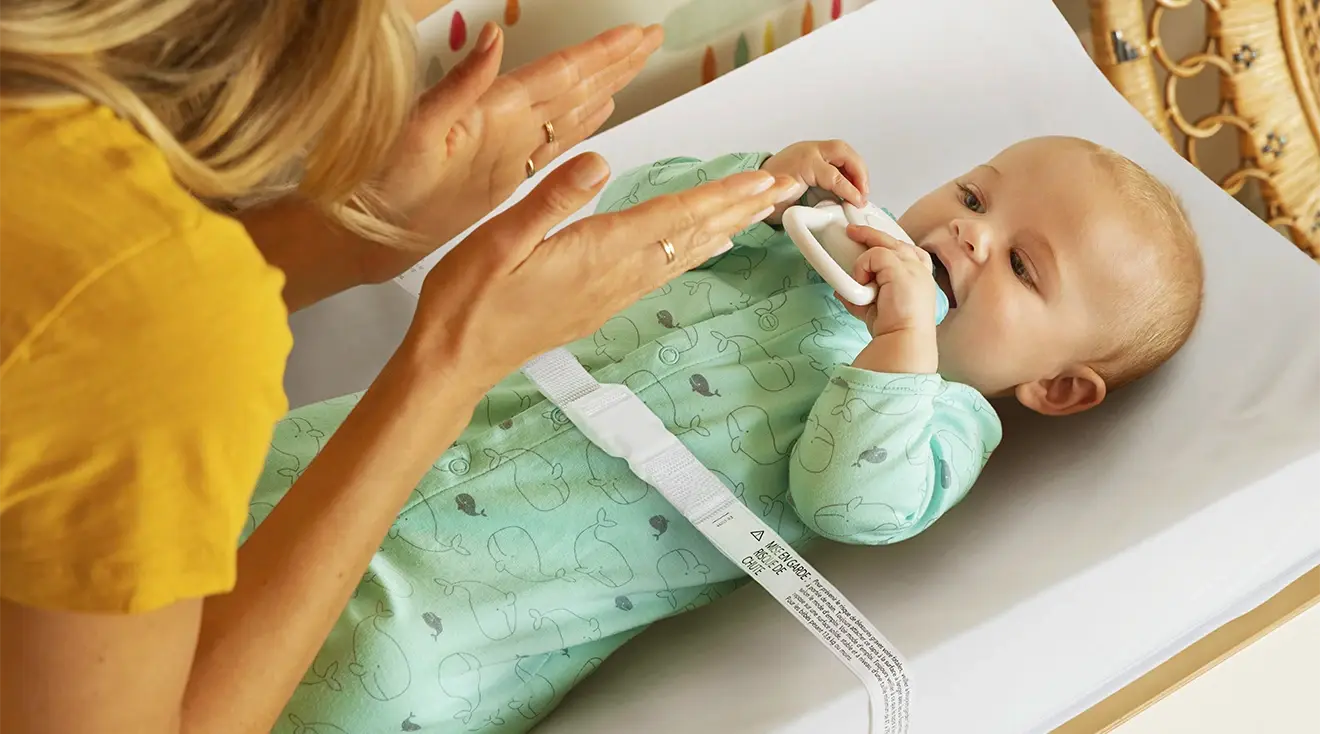
- Use safety straps to secure your baby during changes.
- Place the changing table near a wall to limit movement.
- Keep all supplies within arm’s reach to avoid turning away.
- Switch to floor changing once your baby starts to roll or sit up.
Secure Changing Areas
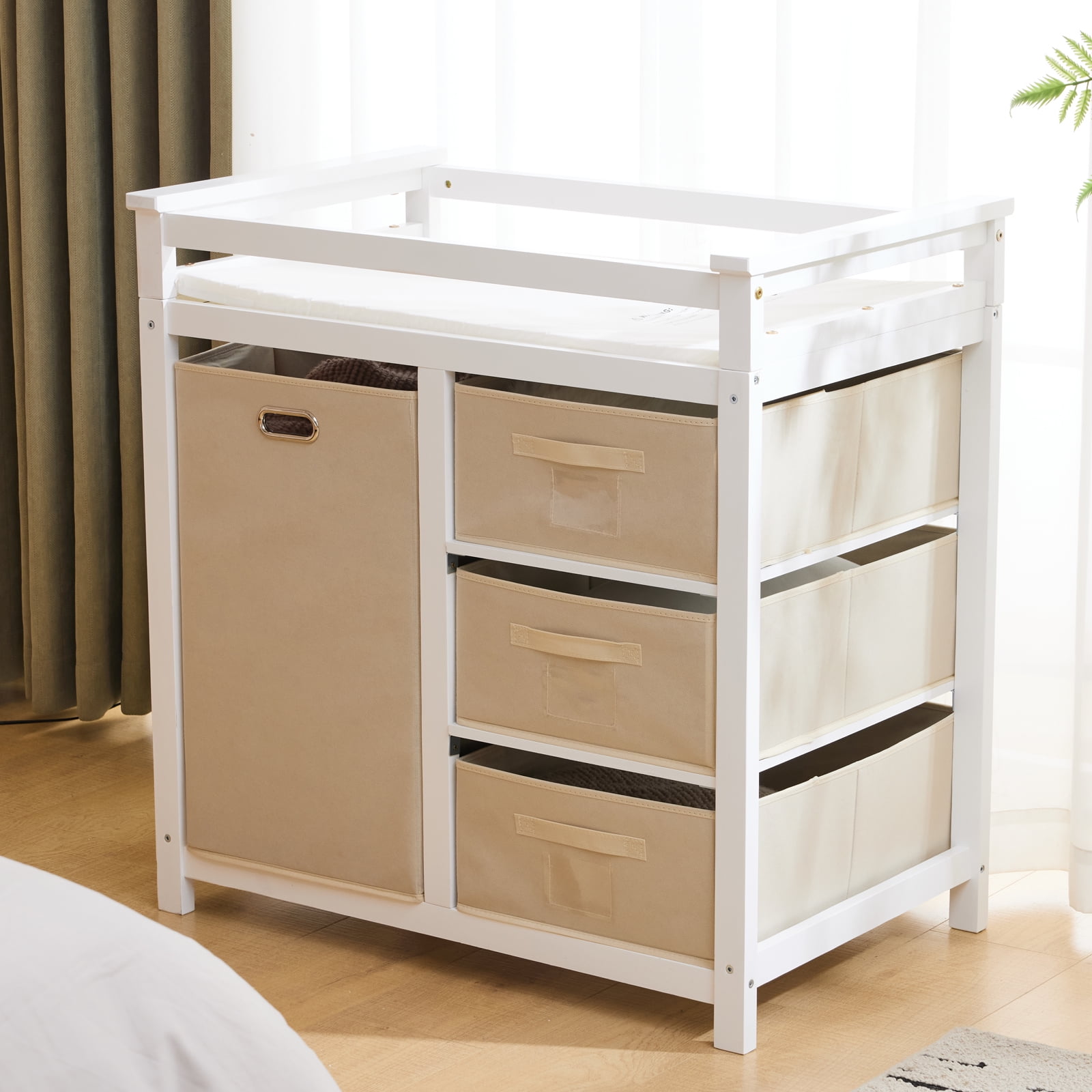
A secure changing area reduces risks as your baby grows. Make sure the area is stable and safe by checking these details.
| Safety Feature | What to Check | Why It Matters |
|---|---|---|
| Sturdy Frame | Table should not wobble or tip easily | Prevents the table from collapsing |
| Guard Rails | Rails on all sides about 2-3 inches high | Stops baby from rolling off |
| Non-slip Surface | Mat or padding that grips the baby | Keeps baby from sliding |
| Proper Height | Comfortable for caregiver to reach safely | Reduces risk of dropping baby or losing balance |
Supervision Importance
Supervision is the best defense against accidents. Babies should never be left alone on or near the changing table.
Here are simple ways to stay attentive:
- Keep one hand on your baby at all times.
- Prepare everything before placing the baby on the table.
- Avoid distractions like phones or talking on the phone.
- Ask for help if you need to step away.
- Know when it’s time to stop using the changing table and switch to safer options.

Credit: takingcarababies.com
Frequently Asked Questions
When Should You Stop Using A Changing Table?
You should stop using a changing table when your baby can safely stand or climb off it. Usually, this is around 2 to 3 years old. At this stage, using a floor mat or bathroom changing area is safer and more practical.
What Age Is Too Old For A Changing Table?
Babies are typically too old for a changing table by age 2 or 3. Once toddlers can move independently, changing tables become less safe. Transitioning to a toddler potty or regular bathroom routine is recommended at this age.
Can Toddlers Safely Use Changing Tables?
Toddlers can use changing tables but require constant supervision. As they become more active, the risk of falls increases. It’s best to switch to safer alternatives once your child starts standing or walking confidently.
How To Transition From Changing Table To Floor Changing?
To transition, gradually use floor mats or towels for diaper changes. This reduces fall risk as your child grows. Encourage your toddler to sit or lie down calmly during changes to make the switch easier.
Conclusion
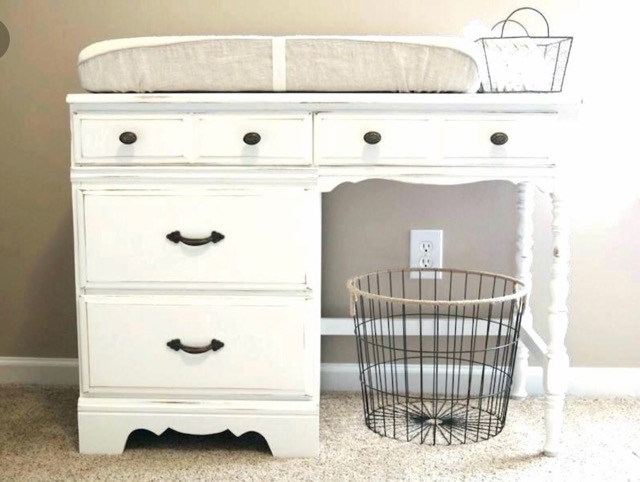
Babies grow fast, and so do their needs. Changing tables work best for infants and toddlers. Once your child can walk or climb, consider safer options. A dresser or bathroom counter can help with diaper changes. Comfort and safety matter most during this transition.
Trust your instincts and watch your child closely. Changing routines will shift as they grow. This change is normal and part of parenting life. Keep things simple and stress-free for both of you. Your child’s comfort guides the right time to stop using the table.