Are you wondering when your little one is ready to move on from that high chair booster seat? It’s a big step for both you and your child.
Knowing the right time to switch can make mealtime safer and more comfortable. But how do you tell when your kid is truly ready? Keep reading, and you’ll discover simple signs to watch for, helpful tips to make the transition smooth, and expert advice to keep your child happy and secure at the table.
Don’t miss out on making this change at just the right moment for your family!
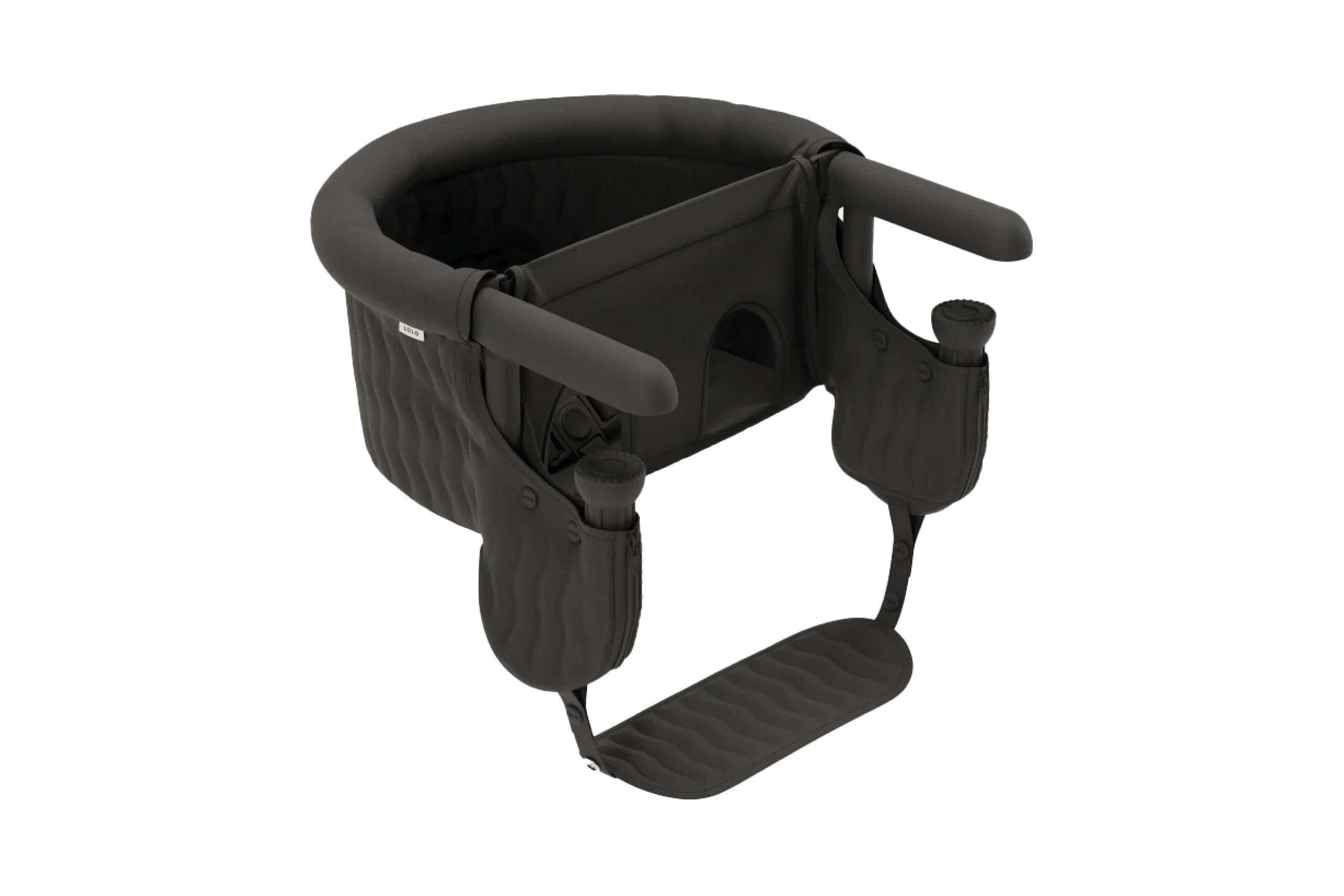
Credit: solidstarts.com
Signs Of Readiness
Knowing when to switch your child from a high chair booster seat is important for their safety and comfort.
Look for clear signs that show your child is ready to move on to a different seating option.
Sitting Stability
Your child should sit up well without support for long periods. This shows good muscle control and balance.
- Can sit upright without help
- Remains steady without wobbling
- Can turn and reach for toys while seated
Self-feeding Skills
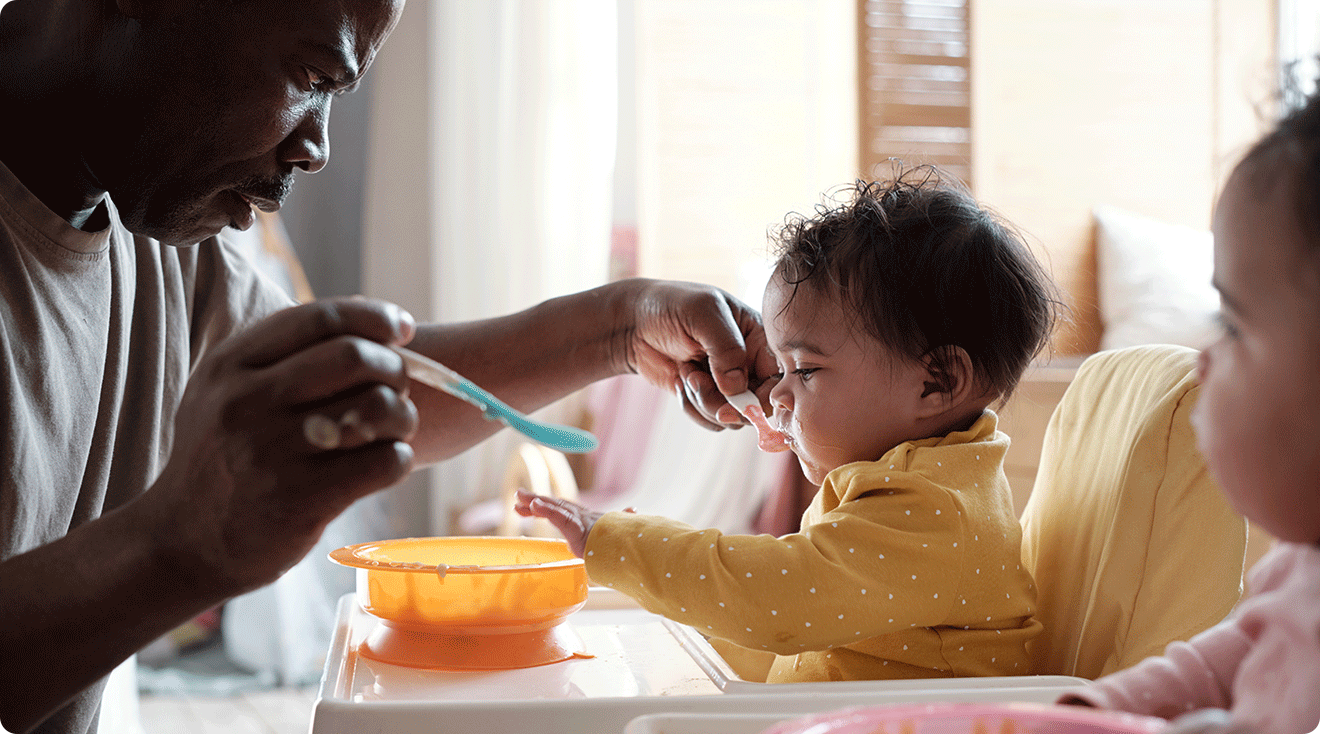
Children ready to leave the high chair often feed themselves more easily.
Signs of self-feeding readiness include:
- Using fingers or utensils to pick up food
- Bringing food to the mouth without spilling
- Showing interest in feeding independently
Height And Weight Considerations
Your child’s size affects how safely they fit in the booster seat or a regular chair.
| Age Range | Height | Weight | Seat Type |
|---|---|---|---|
| 1-2 years | 28-34 inches | 20-27 lbs | High Chair or Booster |
| 2-3 years | 34-38 inches | 27-32 lbs | Booster Seat or Toddler Chair |
| 3+ years | 38+ inches | 32+ lbs | Regular Chair with Cushion |
Credit: www.thebump.com
Safety Guidelines
When kids transition from a high chair to a booster seat, safety is key. Follow these guidelines to ensure a secure and comfortable switch.
Understanding how to safely use a booster seat can prevent accidents. Let’s explore the important steps to make this transition smooth and secure.
Proper Seatbelt Use
Ensure the seatbelt fits your child correctly. The lap belt should lie snugly across the upper thighs, not the stomach.
- Position the shoulder belt across the chest, not the neck.
- Make sure your child can sit against the back of the booster seat.
- Check that knees bend comfortably at the seat’s edge.
Avoiding Falls
Preventing falls is crucial for safety. Secure the booster seat to the dining chair firmly.
Choosing The Right Booster Seat
Select a booster seat that fits your child’s size and weight. Verify the booster seat complies with safety regulations.
| Feature | Importance |
| Height Adjustability | Provides comfort |
| Sturdy Straps | Ensures safety |
| Easy to Clean | Maintains hygiene |
Age And Development Benchmarks
Parents often ask when to switch their child from a high chair to a booster seat. This decision depends on the child’s age and development. Watching for certain signs helps make the change safely.
Understanding typical age ranges and skills can guide parents. It is important to know when a child is ready physically and behaviorally for a booster seat.
Typical Age Range
Children usually start using booster seats between 18 months and 3 years old. Some may switch earlier or later depending on growth and comfort.
- Most children move from high chair to booster seat by 2 years old.
- Some smaller children might stay in a high chair longer.
- Older toddlers often prefer sitting at the table with a booster seat.
Motor Skill Development
Switching to a booster seat requires good motor skills. Children should be able to sit upright without support.
| Skill | Description | Why It Matters |
| Sitting Steady | Child can sit without help for at least 15 minutes | Ensures safety at the table |
| Climbing | Child can climb into the booster seat with some help | Promotes independence |
| Using Utensils | Child can feed themselves with a spoon or fork | Supports mealtime skills |
Behavioral Readiness
Behavior matters when switching seats. Kids should stay seated and follow simple mealtime rules.
- Child can remain seated during meals
- Child listens to basic instructions like “stay seated”
- Child shows interest in eating at the table
:max_bytes(150000):strip_icc()/prt-cybex-solution-g2-foldable-high-back-booster-seat-katy-stovall-8-8c74c96a47c44b14898bbbaf4c11c659.jpeg)
Credit: www.parents.com
Transition Tips
Switching your child from a high chair booster seat to a regular chair is a big step. It helps them feel more grown-up at mealtime.
Use gentle methods to make this change easier for both of you. Patience and consistency work best.
Gradual Change Approach
Start by letting your child sit in the booster seat less during meals. Slowly increase the time they spend on a regular chair.
- Begin with one meal a day on a regular chair.
- Use cushions or pillows to make the chair comfortable.
- Stay close to support your child during the change.
- Increase regular chair use over several weeks.
Involving Your Child
Children feel more confident when they join the choice. Talk about the change and ask for their thoughts.
Try these simple ways to include your child:
- Let them pick a special seat cushion.
- Give them a small step stool if needed.
- Celebrate when they use the new seat.
Maintaining Mealtime Routine
Keep mealtime habits the same to help your child feel safe. This includes the time, place, and family togetherness.
| Routine Element | Example |
| Meal Times | Eat meals at the same time daily |
| Seating | Use the family dining table |
| Distractions | Avoid screens and toys during meals |
Frequently Asked Questions
When Should Kids Stop Using High Chair Booster Seats?
Kids can switch from high chair booster seats typically between ages 3 and 5. This depends on their size, stability, and ability to sit safely at the table without support.
What Signs Show A Child Is Ready To Switch Seats?
Look for good balance, ability to sit upright, and reaching the table comfortably. If the child outgrows the booster or seems cramped, it’s time to change seats.
Are Booster Seats Safe For Toddlers Over 3 Years?
Yes, booster seats are safe for toddlers over 3 if used correctly. Always follow the manufacturer’s weight and height guidelines for best safety.
How Does Switching From Booster To Regular Chair Benefit Kids?
Switching promotes independence and better posture. It also helps kids engage more during meals and develops their social skills at the table.
Conclusion
Kids should switch from high chair booster seats when they sit safely at the table. This usually happens around ages four to five. Ensure the child’s feet touch the floor or a footrest. The seat belt or harness should no longer be needed.
Watch for good posture and stable sitting. Every child grows at their own pace. Safety and comfort matter most during mealtime. Parents can help by choosing the right chair size. This change supports independence and good eating habits. Keep observing your child’s needs closely.
Safety first, always.