Is your headboard turning into an unwanted percussion instrument, disturbing your peace and quiet with every movement? You’re not alone.
Many people face the frustrating issue of a headboard banging against the wall, disrupting sleep and causing unnecessary noise. Imagine getting a full night’s sleep without the constant clatter or the worry of damaging your walls. Sounds like a dream, right?
You’ll discover simple yet effective solutions to stop that pesky headboard from banging against the wall. Whether it’s a quick fix or a long-term solution you’re after, we’ve got you covered. Keep reading to reclaim your restful nights and protect your walls from unwanted wear and tear.
Common Causes Of Headboard Noise
Headboard noise can disrupt sleep and cause frustration. Understanding common causes helps find the right fix. Several factors often make headboards bang or creak against the wall. Identifying these issues stops the noise quickly.
Loose Screws And Bolts
Screws and bolts hold the headboard together and attach it to the bed frame. Over time, they can loosen from movement or weight. Loose hardware causes the headboard to shift and make noise. Tightening these parts often reduces or stops the banging sounds.
Uneven Floor Or Bed Frame
An uneven floor or bed frame creates instability. This imbalance lets the headboard move slightly with every motion. The movement causes the headboard to hit the wall repeatedly. Leveling the floor or adjusting the bed frame stabilizes the headboard and stops noise.
Wall And Headboard Contact
Direct contact between the headboard and wall causes noise. When the headboard moves, it knocks against the wall surface. Even small gaps can create sound from friction or impact. Adding padding or creating space between the headboard and wall prevents banging and protects both surfaces.

Credit: www.amazon.com
Simple Diy Solutions
Simple DIY solutions offer quick and effective ways to stop a headboard from banging against the wall. These fixes require minimal tools and can be done in minutes. They help protect your wall and keep your bedroom quiet and comfortable.
Using Padding Or Felt Pads
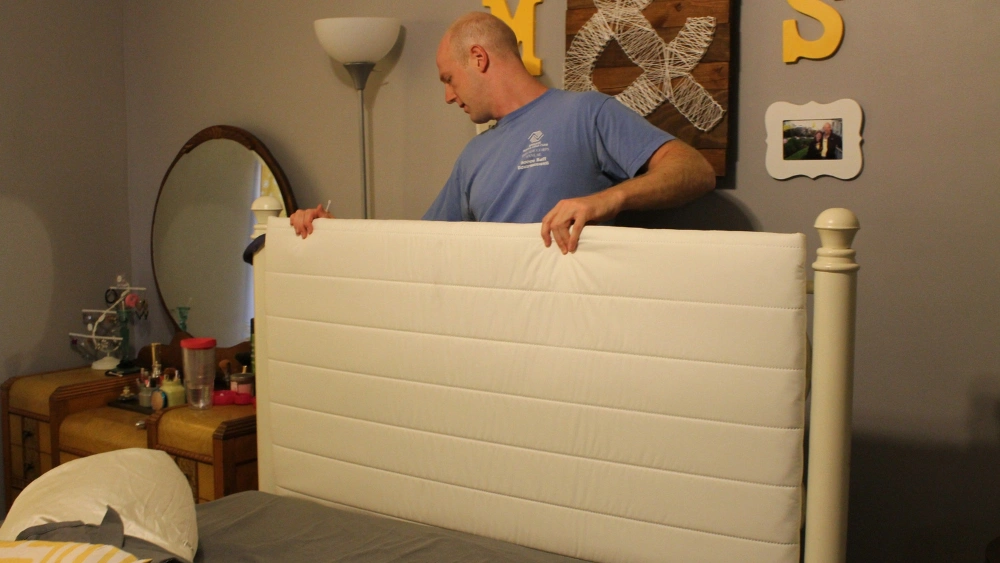
Attach soft padding or felt pads to the back of the headboard. These materials act as cushions and absorb noise. Felt pads are easy to find and stick directly onto the headboard. Foam strips or old fabric can work well too. This method prevents scratches and reduces banging sounds.
Securing The Headboard
Fix the headboard firmly to the bed frame or wall. Use brackets or straps to hold it in place. Tightening loose screws can also stop movement. A stable headboard won’t shift or hit the wall during sleep or movement. This creates a quieter and safer sleeping area.
Adjusting Bed Placement
Move the bed slightly away from the wall. Even a small gap can stop the headboard from touching the wall. Place a wedge or spacer behind the bed legs to keep it steady. This simple shift reduces noise and prevents damage to both the wall and headboard.
Preventive Tips For Long-term Silence
Keeping your headboard from banging against the wall can save you from sleepless nights and protect your walls from damage. Silence isn’t just about comfort; it’s about maintaining the quality of your bedroom environment over time. Small, consistent efforts can prevent noise and ensure your setup stays peaceful for years to come.
Regular Maintenance Checks
Check the stability of your headboard regularly. Loose bolts or screws can cause movement, leading to banging sounds. Tighten them every few months to keep your headboard firmly in place.
Inspect the frame for any cracks or worn parts that might cause instability. Catching these early avoids bigger problems later. Have you noticed any wobbling when you lean against your headboard?
Choosing The Right Headboard
Select a headboard made from materials that naturally absorb sound. Upholstered headboards with soft padding reduce noise better than metal or hard wood. Think about your room’s noise level—would a cushioned headboard be a better fit?
Also, consider the size and design. A headboard that fits snugly against the wall minimizes empty spaces where noise can bounce. Sometimes, a simple design change can make a big difference in keeping things quiet.
Improving Room Setup
Place soft materials like rugs or wall hangings behind the headboard. These absorb sound and stop vibrations from traveling through the wall. Adding a thick area rug or foam panels can create a quieter space instantly.
Adjust the bed’s position if possible. Leaving a small gap between the headboard and the wall can reduce banging, but make sure it’s not too wide to cause more movement. How does your current bed setup affect the noise levels in your room?

Credit: www.amazon.ca

Credit: www.amazon.ca
Frequently Asked Questions
How Do I Prevent My Headboard From Banging The Wall?
Use rubber bumpers or felt pads between the headboard and wall. This cushions impact and reduces noise effectively.
What Materials Can Stop Headboard Noise Against Walls?
Soft materials like foam strips, rubber pads, or felt protect surfaces and absorb sound well.
Can Repositioning The Bed Stop Headboard Banging?
Yes, moving the bed slightly away from the wall reduces contact and noise from movement.
Are Adhesive Pads Effective For Headboard Noise Reduction?
Yes, adhesive pads are easy to install and help cushion impacts to minimize banging sounds.
Conclusion
Stopping your headboard from banging the wall is easier than you think. Use soft pads or cushions to reduce noise. Tighten all screws and bolts to keep it steady. A simple rug behind the headboard can help, too. These small steps make your bedroom quieter and more comfortable.
Enjoy a peaceful night’s sleep without the annoying banging sounds. Try these tips today and notice the difference.