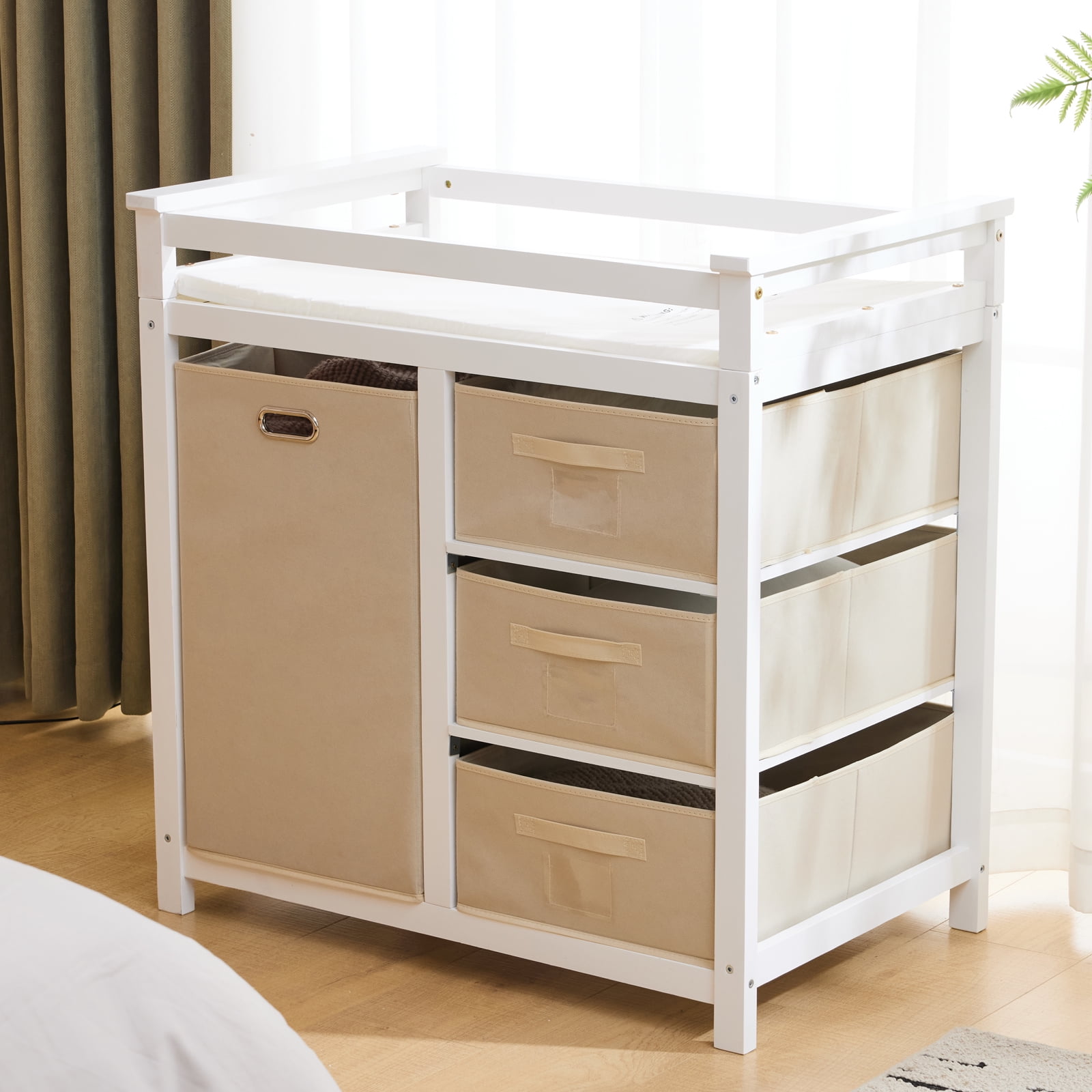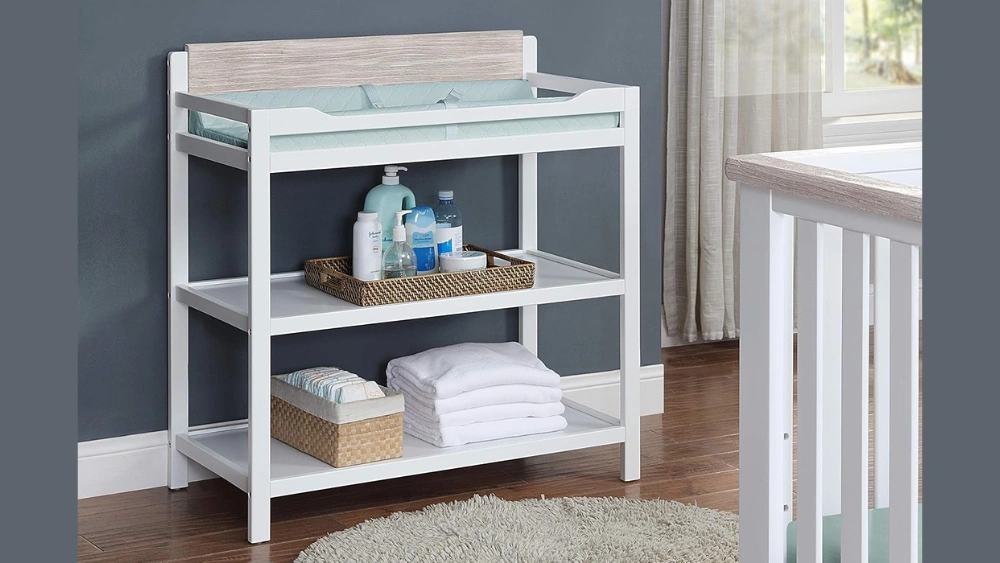
Keeping your baby’s changing table clean and safe is one of the most important tasks you have as a parent. But when it comes to wooden surfaces, you might wonder how to sanitize without damaging the wood or using harsh chemicals.
You want a method that’s both effective and gentle, protecting your baby from germs while preserving the beauty of your furniture. You’ll discover simple, practical steps to sanitize your wooden baby changing table quickly and safely. Read on to make sure your baby’s space stays clean and healthy every day.

Credit: www.forbes.com
Choosing Safe Cleaning Products
Cleaning your wooden baby changing table keeps it safe and fresh. Choosing the right products protects your baby and the wood.
Some cleaners can harm the wood or leave unsafe chemicals. It is important to pick safe and gentle options.
Natural Vs Chemical Cleaners
Natural cleaners use ingredients from plants and minerals. They usually have fewer harsh chemicals.
Chemical cleaners may clean faster but can contain strong ingredients. These might damage the wood or irritate your baby’s skin.
- Natural cleaners are gentle on wood and safe for babies
- Chemical cleaners can remove tough stains but may harm finishes
- Natural options often smell better and have no strong fumes
- Chemical cleaners need careful use and rinsing to avoid residue
Avoiding Harmful Ingredients
Some ingredients in cleaners can be unsafe for babies. Avoid those that cause allergies or skin problems.
Check labels and skip products with harsh chemicals. Choose cleaners free from toxins and irritants.
- Avoid bleach and ammonia, which can damage wood and irritate skin
- Skip cleaners with strong fragrances or dyes
- Steer clear of products containing phthalates or parabens
- Look for labels saying “non-toxic” and “safe for children”
Preparing The Changing Table
Keeping a wooden baby changing table clean is important. It ensures a safe space for your baby. Let’s learn how to prepare it properly.
Sanitizing the table helps prevent germs. Follow these steps to keep the area tidy and safe.
Removing Accessories And Liners
Start by taking off any accessories. Remove liners and pads from the table. This will make cleaning easier.
Check for any items left behind. Put them aside for cleaning or replacement.
- Take off decorative items
- Remove changing pads
- Set aside any toys
Dusting And Wiping Down
Use a soft cloth to dust the surface. This helps remove dirt and particles.
Next, use a damp cloth to wipe down the table. Ensure you cover all areas, including corners.
- Dust all surfaces gently
- Use a damp cloth for wiping
- Focus on edges and corners
Sanitizing Techniques
Keeping a wooden baby changing table clean is important for your baby’s health. Proper sanitizing removes germs and keeps the surface safe.
Using natural and safe products helps protect the wood and your baby from harsh chemicals. Below are two effective sanitizing methods.
Using Vinegar Solutions
Vinegar is a natural cleaner that kills many germs without harming wood. It is safe to use around babies and easy to make at home.
- Mix equal parts of white vinegar and water in a spray bottle.
- Spray the solution lightly on the wooden surface.
- Wipe with a clean cloth to remove dirt and germs.
- Let the table air dry completely before use.
- Repeat this process once a week for regular cleaning.
Applying Baby-safe Disinfectants
Baby-safe disinfectants are specially made to kill germs without toxic chemicals. Always check the label to ensure the product is safe for wooden surfaces.
| Disinfectant Type | How to Use | Drying Time |
| Alcohol-based spray | Spray and wipe with cloth | 5 minutes |
| Plant-based wipes | Wipe the surface thoroughly | Air dry |
| Non-toxic liquid cleaner | Dilute and apply with cloth | 10 minutes |
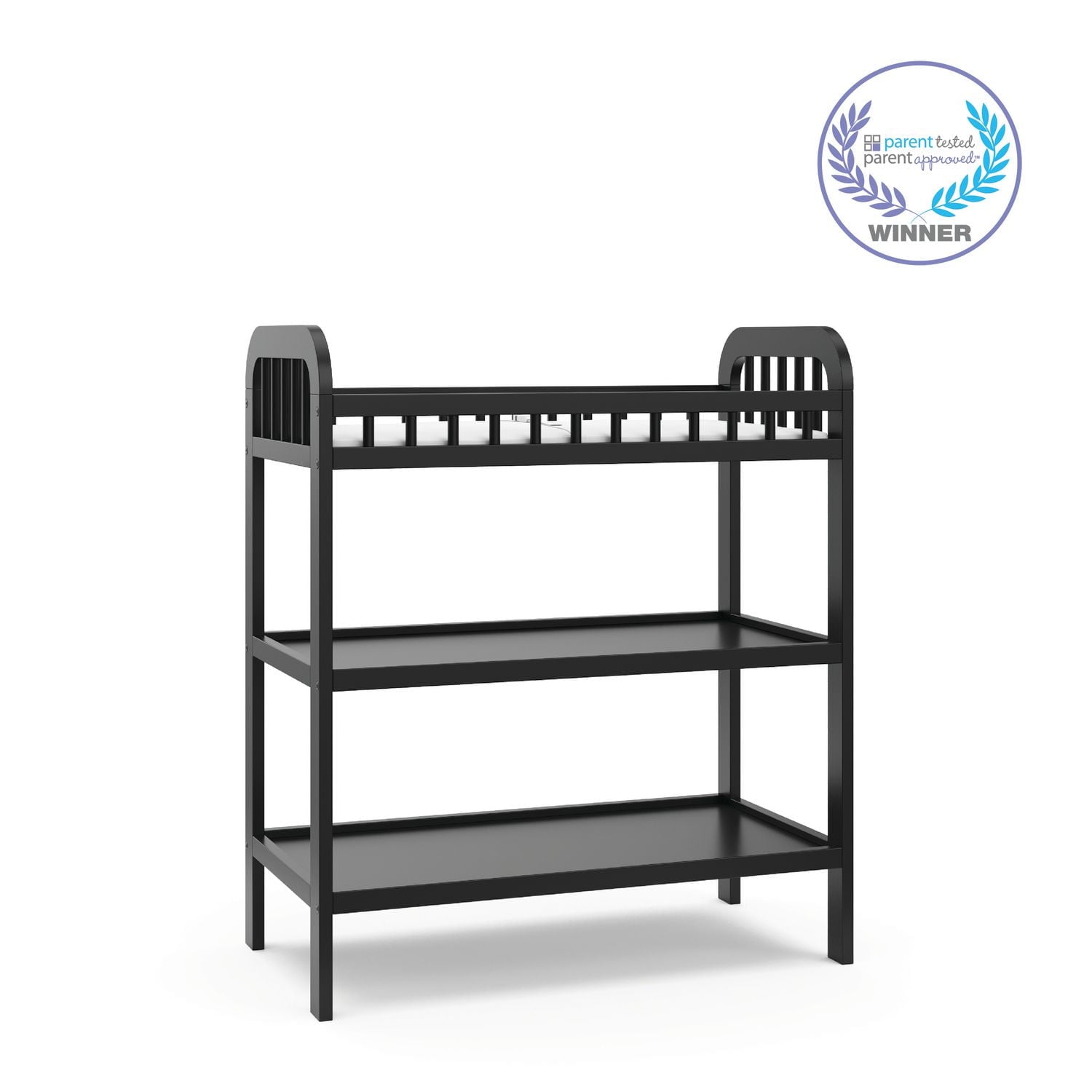
Credit: www.walmart.ca
Maintaining Hygiene Long-term
Keeping a wooden baby changing table clean is important for your baby’s health. Dirt and germs can build up over time.
Regular cleaning and protecting the wood help keep the table safe and fresh for daily use.
Regular Cleaning Schedule
Clean the changing table every day after use. Wipe it with a damp cloth and mild soap. Avoid soaking the wood.
Deep clean the table once a week. Use a mixture of water and white vinegar to kill germs. Dry the surface well after cleaning.
- Wipe spills immediately to stop stains
- Use soft cloths to protect the wood surface
- Check for cracks or damage weekly
- Replace any worn pads or covers
Protecting Wood With Sealants
Sealants create a barrier on the wood to stop moisture and dirt from damaging it. This keeps the table safe and easy to clean.
Apply a child-safe sealant every few months. Lightly sand the surface before applying to help the sealant stick better.
- Choose non-toxic, water-based sealants
- Allow full drying before use
- Reapply sealant if wood looks worn
- Keep changing table away from direct sunlight

Credit: joolbaby.com
Frequently Asked Questions
How Do I Sanitize A Wooden Baby Changing Table Safely?
Use a mild soap and warm water to clean the surface. Avoid harsh chemicals that damage wood. Wipe with a damp cloth, then dry immediately to prevent moisture damage.
Can I Use Vinegar To Clean Wooden Baby Changing Tables?
Yes, diluted white vinegar is safe for sanitizing wood. Mix one part vinegar with four parts water. Wipe gently and dry thoroughly to protect the wood finish.
How Often Should I Sanitize The Baby Changing Table?
Sanitize the table after every diaper change or at least daily. This prevents bacteria buildup and keeps the surface hygienic for your baby.
What Products Are Best For Sanitizing Wooden Changing Tables?
Mild soaps, diluted vinegar, and baby-safe disinfectants work best. Avoid bleach or alcohol-based cleaners that can strip the wood’s protective coating.
Conclusion
Sanitizing a wooden baby changing table keeps your baby safe and healthy. Use gentle cleaners to protect the wood’s surface. Clean spills right away to stop germs from growing. Regular wiping helps keep the table fresh and clean. Always dry the wood well after cleaning to prevent damage.
Simple steps make a big difference in your baby’s space. Stay consistent and your changing table will stay safe and neat. Clean spaces mean happy babies and peace of mind for parents.