Have you ever found yourself staring at a locked filing cabinet, key nowhere in sight? It can be frustrating when important documents or items are just out of reach.
But don’t worry—there are simple ways you can open that cabinet without the key. You’ll discover easy and effective methods to unlock your filing cabinet quickly and safely. Keep reading, and you’ll have access to what you need in no time.
Credit: www.acmelocksmith.com
Common Filing Cabinet Locks
Filing cabinets use different locks to keep documents safe. Knowing these locks helps if you lose a key.
This guide explains common locks found on filing cabinets and how their mechanisms work.
Types Of Locks Used
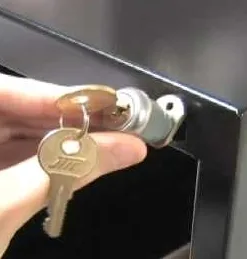
Most filing cabinets have one of these lock types: cam locks, tubular locks, or drawer locks.
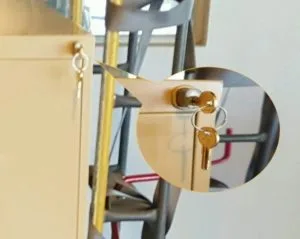
- Cam Locks:The most common type, it uses a metal plate that turns to lock or unlock.
- Tubular Locks:These have a round key and are harder to pick.
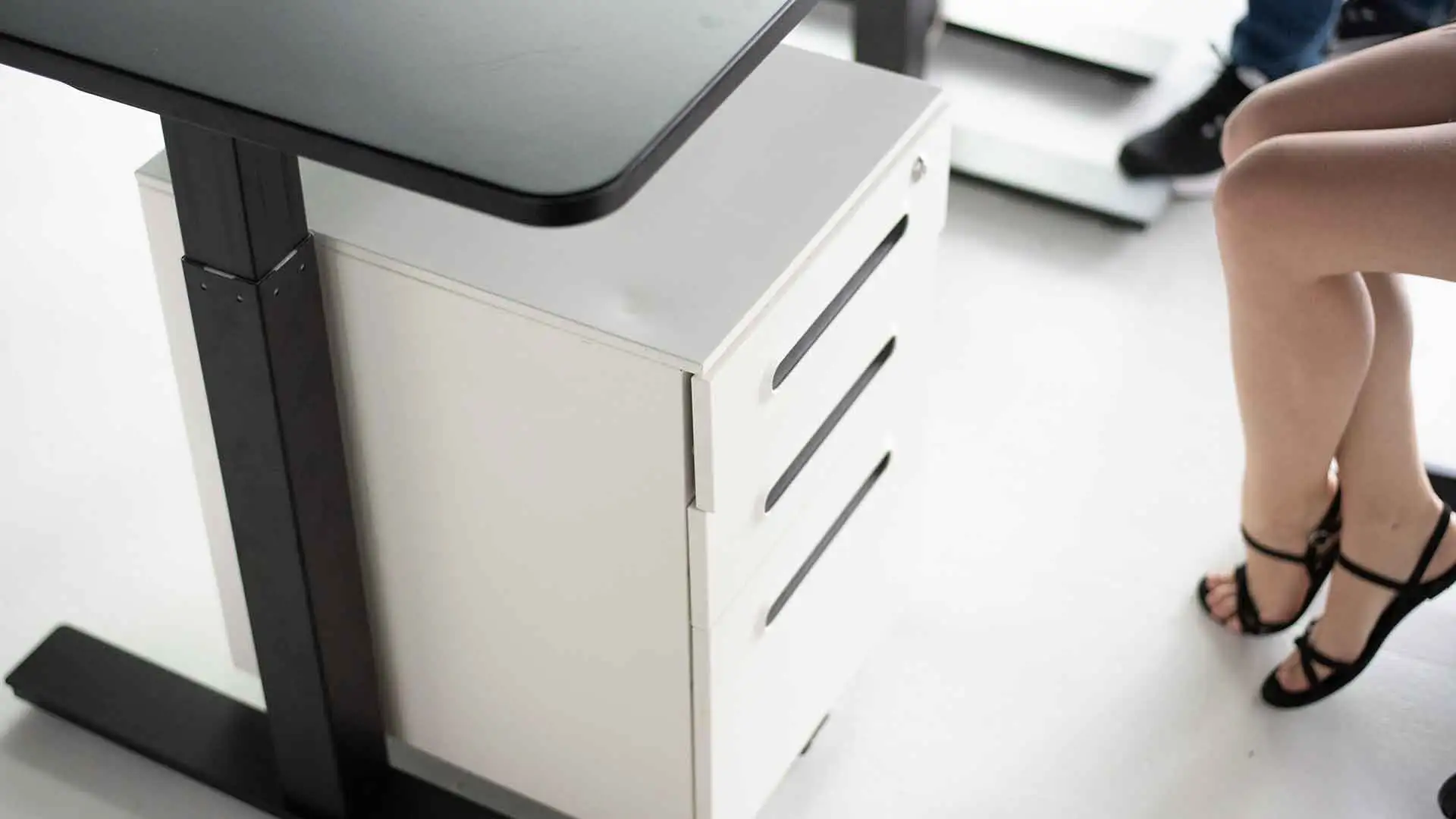
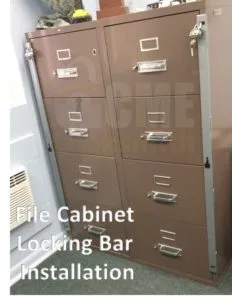
- Drawer Locks:Built into the drawer, they often lock all drawers at once.
Lock Mechanisms Explained
Each lock has a simple mechanism that controls the locking action. Here is how they work.
| Lock Type | How It Works | Common Use |
| Cam Lock | A metal cam rotates behind the lock to block or free the drawer. | Single drawer locking |
| Tubular Lock | A round key turns pins arranged in a circle to open the lock. | Higher security cabinets |
| Drawer Lock | A bar or rod locks all drawers at once when turned. | Multi-drawer cabinets |
Credit: www.acmelocksmith.com
Tools Needed For Opening
Opening a filing cabinet without a key can be tricky. Use the right tools to make the task easier.
Here are some tools you might need. They range from simple household items to specialized tools.
Basic Household Tools
Basic tools can often solve the problem. They are easy to find at home.
- Flathead screwdriver
- Hammer
- Paperclip
- Butter knife
Specialized Lock Picking Tools
Sometimes household tools are not enough. Specialized tools can help you open the lock more easily.
Lock picking tools are more precise. Here is a table of some you might use:
| Tool Name | Purpose |
| Tension Wrench | Applies torque to the lock |
| Hook Pick | Manipulates pins inside the lock |
| Rake Pick | Quickly aligns pins |
| Ball Pick | Used for wafer locks |
Step-by-step Opening Methods
Sometimes you may need to open a filing cabinet without the key. There are simple ways to do this using common items. Follow the steps carefully to avoid damage.
Below are three easy methods to try. Each method uses different tools and techniques. Choose the one that fits your situation best.
Using A Paperclip Or Bobby Pin
Paperclips and bobby pins can work as makeshift lock picks. Straighten the paperclip or bobby pin first. Then use one to push and the other to turn inside the lock.
Be patient and gentle. It may take some time to feel the lock pins move. Avoid forcing the tools to prevent breaking the lock.
- Straighten one paperclip or bobby pin completely
- Bend the other to form a small hook
- Insert the straight one into the lock to push pins
- Use the hooked one to turn the lock cylinder
- Move them slowly until the lock opens
Applying A Flathead Screwdriver
A flathead screwdriver can help if the lock is simple or damaged. Insert the screwdriver into the lock slot. Try to twist it gently to move the lock mechanism.
This method works best on low-security locks. Do not force the screwdriver too hard. You might damage the lock or the cabinet.
- Choose a flathead screwdriver that fits the lock slot
- Insert the blade into the keyhole
- Apply light pressure and twist slowly
- Listen for clicks or feel the lock moving
- Keep trying until the lock turns open
Using A Magnet Or Shim
A strong magnet can sometimes move internal lock parts. Hold the magnet near the lock and try to pull or push the locking mechanism. A shim can slide between the lock and latch to release it.
This method works best on cabinet locks with simple latches. Use thin metal pieces as shims. Be careful not to bend or break them.
- Find a strong magnet or a thin metal shim
- Place the magnet on the lock surface
- Try moving the magnet to shift the lock parts
- Insert the shim between the cabinet frame and latch
- Slide the shim gently to push the latch open
Preventing Future Lockouts
Locking a filing cabinet without a key can cause many problems. It wastes time and can damage the lock.
Taking steps to prevent lockouts saves effort and keeps your files safe. Here are ways to avoid future problems.
Spare Key Management
Having spare keys is the easiest way to avoid lockouts. Keep them in safe and easy-to-find places.
Give spare keys to trusted people. Mark them clearly to avoid confusion.
- Label spare keys with cabinet name or number
- Store keys in a secure but accessible spot
- Inform team members about spare key locations
- Check and update key holders regularly
Upgrading Lock Systems
Modern locks reduce the chance of lockouts. Electronic locks or keypad systems do not need keys.
Choose locks that offer easy access control. This helps manage who can open the cabinet without losing keys.
- Use digital locks with PIN codes
- Consider fingerprint or card access systems
- Regularly update access codes or permissions
- Maintain lock systems to avoid malfunctions
Credit: www.acmelocksmith.com
Frequently Asked Questions
How Can I Open A Filing Cabinet Without A Key?
You can try lock picking, using a paperclip, or a flathead screwdriver. Applying gentle force near the lock may help. Always proceed carefully to avoid damage.
Is It Safe To Use Lock Picking Tools On Cabinets?
Yes, if you have permission. Lock picking can damage the lock if done incorrectly. Use proper tools and techniques for best results.
Can I Use A Drill To Open A Locked Filing Cabinet?
Drilling is a last resort and will damage the lock. It can open the cabinet quickly but may require lock replacement afterward.
What Should I Do If I Lose The Filing Cabinet Key?
Check for spare keys or contact the manufacturer. If unavailable, consider professional locksmith services to open or replace the lock safely.
Conclusion
Opening a filing cabinet without the key can be done with care and patience. Trying simple methods first saves time and effort. Always be gentle to avoid damage. If these steps do not work, calling a professional is the safest choice.
Remember, keeping spare keys or combinations helps avoid trouble later. Stay calm and follow the right steps to access your files safely.