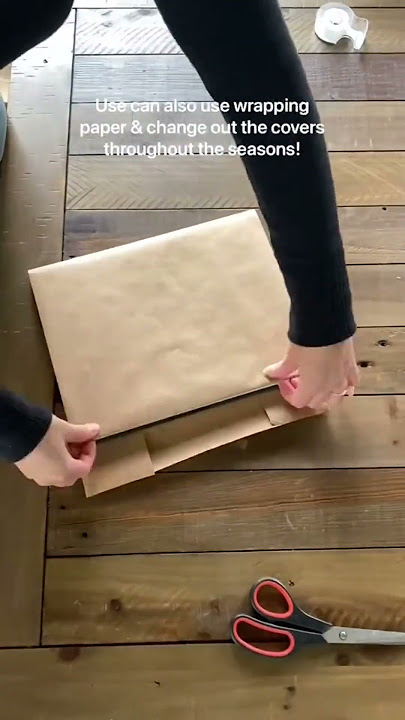
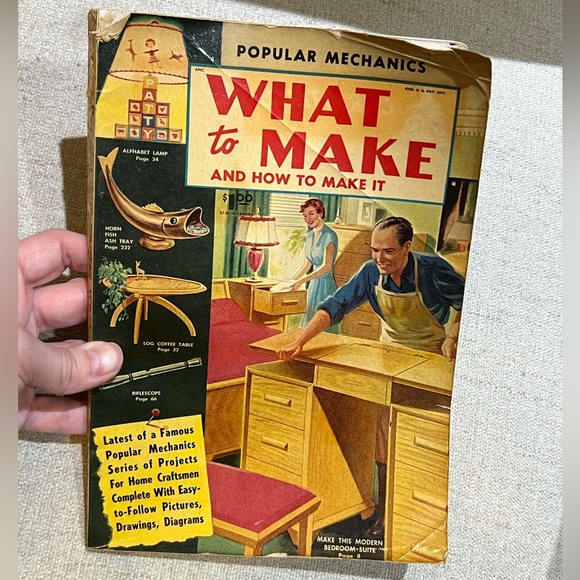
Have you ever wanted to create a coffee table book that truly reflects your style and story? Making your own coffee table book might seem overwhelming, but it’s easier than you think.
This guide will walk you through simple steps to bring your ideas to life, from choosing the right photos to designing eye-catching layouts. By the end, you’ll have the confidence to craft a beautiful book that grabs attention and sparks conversations every time someone flips through its pages.
Ready to turn your vision into a stunning reality? Let’s dive in!

Credit: www.reddit.com
Choosing Your Theme
Picking the right theme is key to making a great coffee table book. The theme guides your images and text. It helps your book feel complete and interesting.
Think about what excites you. Your theme should be clear but open enough to explore many ideas. This will keep readers engaged.
Selecting A Captivating Topic
Choose a topic that you love and that many people find interesting. It should tell a story or share a unique view. Avoid topics that feel too broad or too narrow.
- Pick subjects that show your passion
- Find topics with strong visual appeal
- Think about stories that connect with emotions
- Consider unusual or fresh perspectives
Defining Your Audience
Know who will read your book. Different groups like different styles and subjects. Defining your audience helps you pick the right theme and design.
| Audience Type | Preferred Themes | Style Tips |
| Art Lovers | Fine art, photography | Elegant, clean design |
| Travel Fans | Landscapes, cultures | Colorful, lively photos |
| Nature Enthusiasts | Wildlife, plants | Natural colors, detailed shots |
| History Buffs | Events, old photos | Vintage style, captions |
Gathering Inspiration
Look around for ideas that fit your theme. Inspiration can come from many places. Collect images, colors, and styles that speak to you.
Try these ways to gather inspiration:
- Visit libraries or bookstores to see coffee table books
- Explore online photo galleries and art websites
- Take your own photos or sketches
- Talk to friends or experts about your theme
Credit: www.oceanrestaurant.be
Planning Your Content
Making a coffee table book needs good planning. You must decide what story your book will tell. Organizing your photos and text is the first key step.
Careful planning helps you create a book that looks nice and holds the reader’s interest. It also makes the design process easier.
Organizing Your Photos And Text
Start by sorting all your photos and text files. Group images that share a theme or time period. Keep your text ready to match these groups.
- Gather all photos in one folder
- Label images with clear names
- Group photos by topic or date
- Write captions or notes for each photo
- Collect all related text in one document
Creating A Storyboard
A storyboard helps you plan how the photos and text will appear. Draw rough sketches or use software to arrange the pages. This makes the story flow clear.
| Page | Photo | Text | Notes |
|---|---|---|---|
| 1 | Cover Image | Title and Subtitle | Make it eye-catching |
| 2 | Photo Group 1 | Introduction Text | Set the tone |
| 3 | Photo Group 2 | Main Story | Keep it simple |
Balancing Visuals And Words
A good coffee table book balances images with text. Too many words can make pages look crowded. Too few words can confuse readers.
- Choose clear and short captions
- Use large photos for impact
- Leave white space for breathing room
- Mix full-page images with smaller ones and text blocks
- Keep font sizes easy to read
Designing The Layout
Designing the layout of a coffee table book shapes how readers experience it. A clear and attractive layout makes the book enjoyable to browse.
Focus on balance between text and images to create a pleasing flow. Thoughtful design helps tell your story visually.
Choosing The Right Format
Pick a format that fits your book’s theme and content. Common formats include square, portrait, and landscape shapes.
Each format changes how images and text appear on the page. Consider your images’ orientation and the reading style.
- Square format works well for balanced photo layouts
- Portrait format suits text-heavy pages or tall images
- Landscape format highlights wide images or panoramic views
Selecting Fonts And Colors
Choose simple fonts to keep text easy to read. Use one or two font styles for consistency.
Select colors that match your theme. Use neutral backgrounds with contrasting text colors for clarity.
| Font Type | Best Use | Example |
| Serif | Body text for readability | Georgia, Times New Roman |
| Sans-serif | Headings and captions | Arial, Helvetica |
| Script | Decorative titles | Pacifico, Brush Script |
Arranging Images Creatively
Place images to create visual interest. Mix large and small photos for variety.
Try these ideas to arrange images:
- Use full-page photos to highlight key images
- Group smaller photos in grids or clusters
- Overlay text on images carefully to keep readability
- Leave white space to avoid clutter
Printing And Publishing
Making a coffee table book involves careful choices for printing and publishing. These choices affect how your book looks and feels.
Good printing and publishing help your book stand out and last a long time. Let’s explore important steps.
Selecting Paper And Binding
Choose paper that shows your photos and text clearly. Glossy paper makes images bright. Matte paper reduces shine and glare.
Binding keeps your book together. Hardcovers are strong and look nice. Softcover books are lighter and cost less.
- Glossy paper for sharp, colorful images
- Matte paper for a smooth, soft look
- Hardcover binding for durability
- Softcover binding for light weight and lower price
- Consider the book’s size and thickness
Finding A Reliable Printer
Look for printers who have experience with coffee table books. Ask for samples to check their quality.
Compare prices and turnaround times. Good printers help with paper and binding choices too.
- Ask for previous work samples
- Check reviews and ratings
- Compare pricing and delivery times
- Ask about printing options and advice
- Confirm file requirements before submitting
Marketing Your Coffee Table Book
Plan how to share your book with others. Use social media to show pictures and updates.
Think about selling your book in local stores or at events. Make a simple website to promote it.
- Share images and stories on social media
- Contact local bookstores or galleries
- Attend book fairs or art events
- Create a website or online shop
- Ask friends and family to help spread the word
Credit: www.kernowcraft.com
Frequently Asked Questions
What Materials Do I Need To Make A Coffee Table Book?
You need high-quality paper, a sturdy cover, binding supplies, and good printing software. Choose images and text carefully. A design program like Adobe InDesign helps create professional layouts. Quality materials ensure durability and aesthetic appeal for your coffee table book.
How Do I Choose The Theme For My Coffee Table Book?
Select a theme that interests you and appeals to your audience. Popular themes include travel, art, photography, or nature. A clear, focused theme keeps the content cohesive and engaging. Research your target readers to ensure your theme resonates with them.
What Is The Best Size For A Coffee Table Book?
Common sizes range from 8×10 inches to 12×12 inches. Larger sizes showcase visuals better but may cost more. Choose a size that balances visual impact and practicality. Consider how the book will fit on typical coffee tables for convenience.
How Can I Design A Visually Appealing Coffee Table Book?
Use high-resolution images and consistent fonts. Maintain a clean layout with ample white space. Balance text and visuals to avoid clutter. Use color schemes that complement your theme. Design tools like Canva or Adobe InDesign can enhance your book’s look.
Conclusion
Creating a coffee table book takes time and care. Choose your photos and stories with thought. Arrange them in a way that feels right to you. Simple design makes your book easy to enjoy. Print your book using good quality materials.
Share your finished book with friends or keep it close. This project can bring joy and preserve memories. Start small, stay patient, and watch your ideas grow. Your coffee table book will tell your unique story.