Are you tired of waking up with a sore back after sitting for hours? You might be wondering if a reclining sofa could be the answer to your discomfort.
Reclining sofas promise relaxation and support, but are they really good for your back? You’ll discover how these sofas affect your spine, what to look for when choosing one, and simple tips to protect your back while enjoying your favorite seat.
Keep reading to find out if a reclining sofa is the back-friendly solution you’ve been searching for.
How Recliners Support Spine Alignment
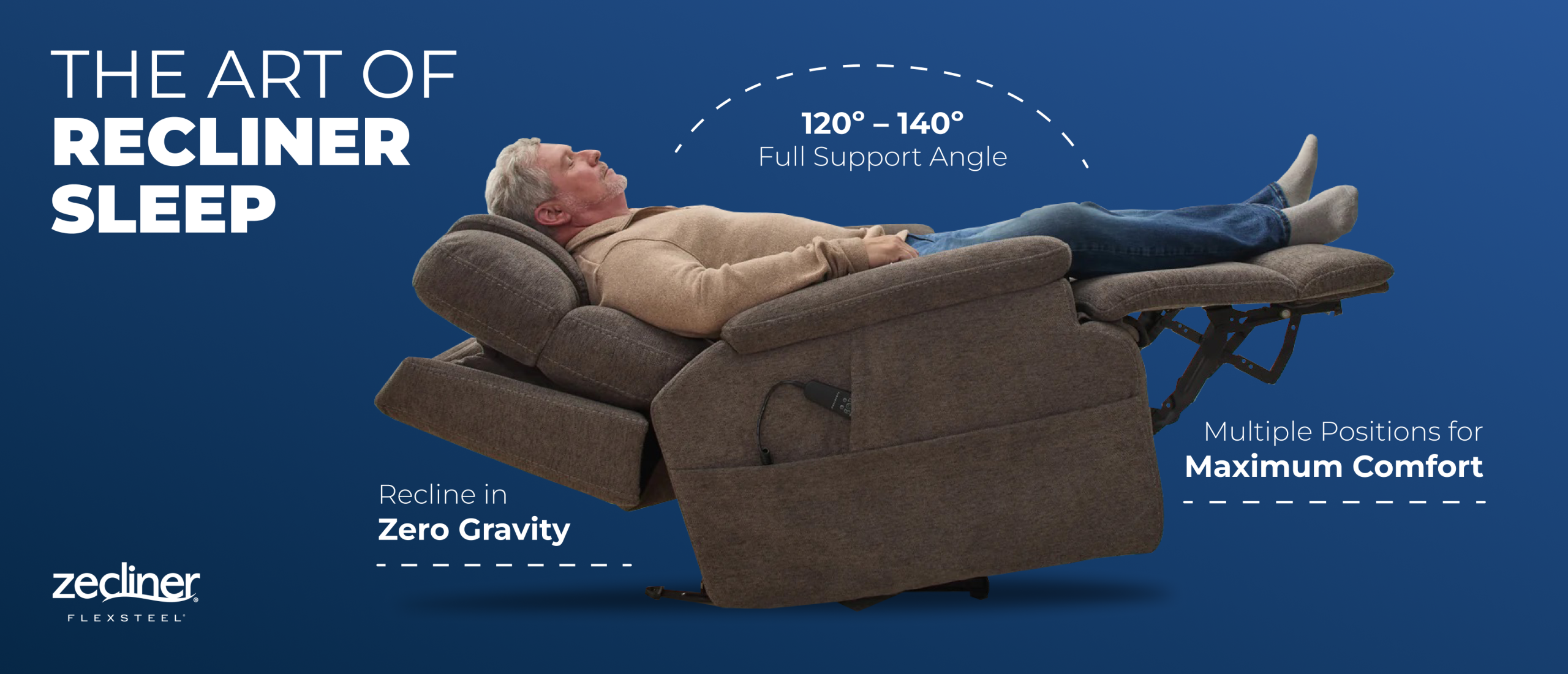
Reclining sofas can help keep your spine in a healthy position. They offer support that reduces strain on your back.
Good spine alignment lowers the risk of pain and discomfort. Recliners adjust to fit your body’s natural curves.
Adjustable Positions Reduce Pressure
Recliners let you change your sitting angle easily. This helps spread your body weight evenly.
When pressure reduces on your lower back, it feels less tired. You can find a position that keeps your spine straight.
Lumbar Support Maintains Natural Curve
Many reclining sofas have built-in lumbar support. This support fits the lower back’s natural curve.
Proper lumbar support stops your back from slouching. It helps keep your spine aligned during long sitting times.
Head And Neck Support Prevents Strain
Recliners often include headrests that support your neck. This support stops your neck from bending awkwardly.
Good head and neck support keeps your spine in a straight line. It reduces tension in your upper back and shoulders.
Promotes Relaxation And Muscle Relief
Reclining sofas let your muscles relax by changing posture. Relaxed muscles support better spine alignment.
When your muscles are less tight, your back feels less pain. This helps protect your spine from long-term damage.

Credit: ncf.co.uk
Reducing Pressure Points With Reclining Sofas
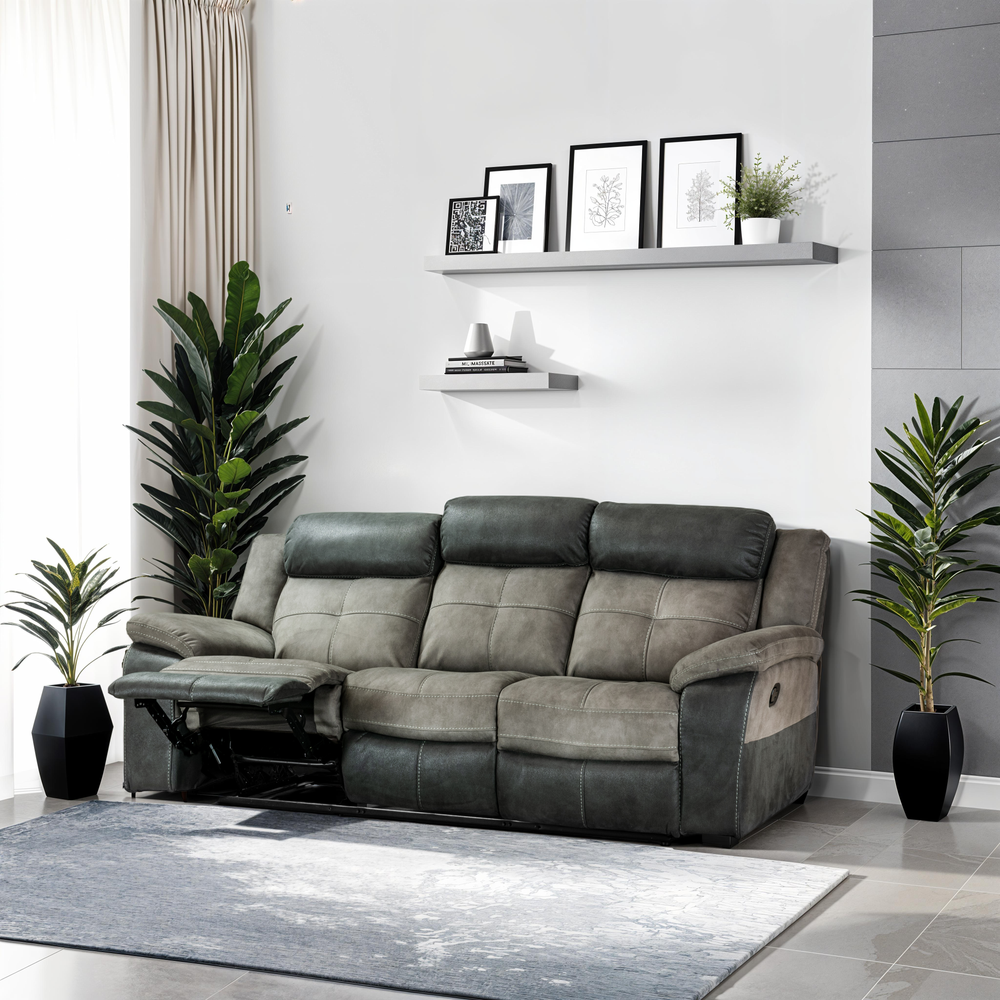
Reclining sofas help ease pressure on your back by changing how you sit. They let you adjust your position for better comfort.
Reducing pressure points can lower pain and stiffness in your back. This makes sitting for long periods easier.
How Reclining Sofas Support Your Back
Reclining sofas allow you to lean back, which spreads your body weight more evenly. This reduces stress on your spine and muscles.
Key Features That Help Reduce Pressure
- Adjustable backrest angles to find the best support
- Footrests that lift your legs and improve circulation
- Soft cushioning that molds to your body shape
- Wide seats to reduce tight spots
Pressure Points And Their Effects
| Pressure Point | Common Effect | How Reclining Helps |
| Lower Back | Pain and stiffness | Supports natural curve |
| Hips | Numbness and discomfort | Even weight distribution |
| Shoulders | Tension and soreness | Reduces strain by leaning back |
| Legs | Swelling and fatigue | Elevates legs to improve blood flow |
Tips For Using Reclining Sofas To Reduce Pressure
- Adjust the backrest to keep your spine aligned.
- Use the footrest to lift your legs slightly.
- Change your position often to avoid stiffness.
- Choose sofas with firm but soft cushions.
Choosing The Right Recliner For Back Health
A good recliner can help support your back and reduce pain. Picking the right one is important for your health.
Not all recliners are the same. Some may hurt your back instead of helping it. Learn what to look for.
Supportive Lumbar Design
Your lower back needs strong support to stay healthy. A recliner with good lumbar support helps keep your spine aligned.
Look for recliners that have built-in lumbar cushions or adjustable support in the lower back area.
- Prevents slouching
- Reduces lower back strain
- Improves posture while sitting
Adjustable Reclining Positions
Being able to change your sitting position helps relieve pressure on your back. Choose a recliner that adjusts smoothly.
Try recliners with multiple angle options. This lets you find the best position for your comfort and back health.
- Supports different parts of the back
- Allows you to shift weight often
- Helps improve blood flow
Firm But Comfortable Cushioning
Soft cushions feel nice but may not support your back well. Firm cushions keep your spine in a healthy position.
Look for recliners with medium to firm padding. This gives comfort without causing your back to sink.
- Supports natural spine curves
- Prevents back muscles from tiring
- Maintains good posture
Size And Fit For Your Body
A recliner that fits your body well supports your back better. Choose one that matches your height and weight.
Check seat width, back height, and leg rest length before buying. A good fit helps keep your spine aligned.
- Avoid chairs that are too big or small
- Ensure feet rest flat on the footrest
- Keep knees at a right angle when seated
Easy-to-use Controls
Recliners with simple controls let you adjust positions without strain. This helps avoid sudden movements that hurt your back.
Look for buttons or levers that are easy to reach and use. This makes changing positions safe and smooth.
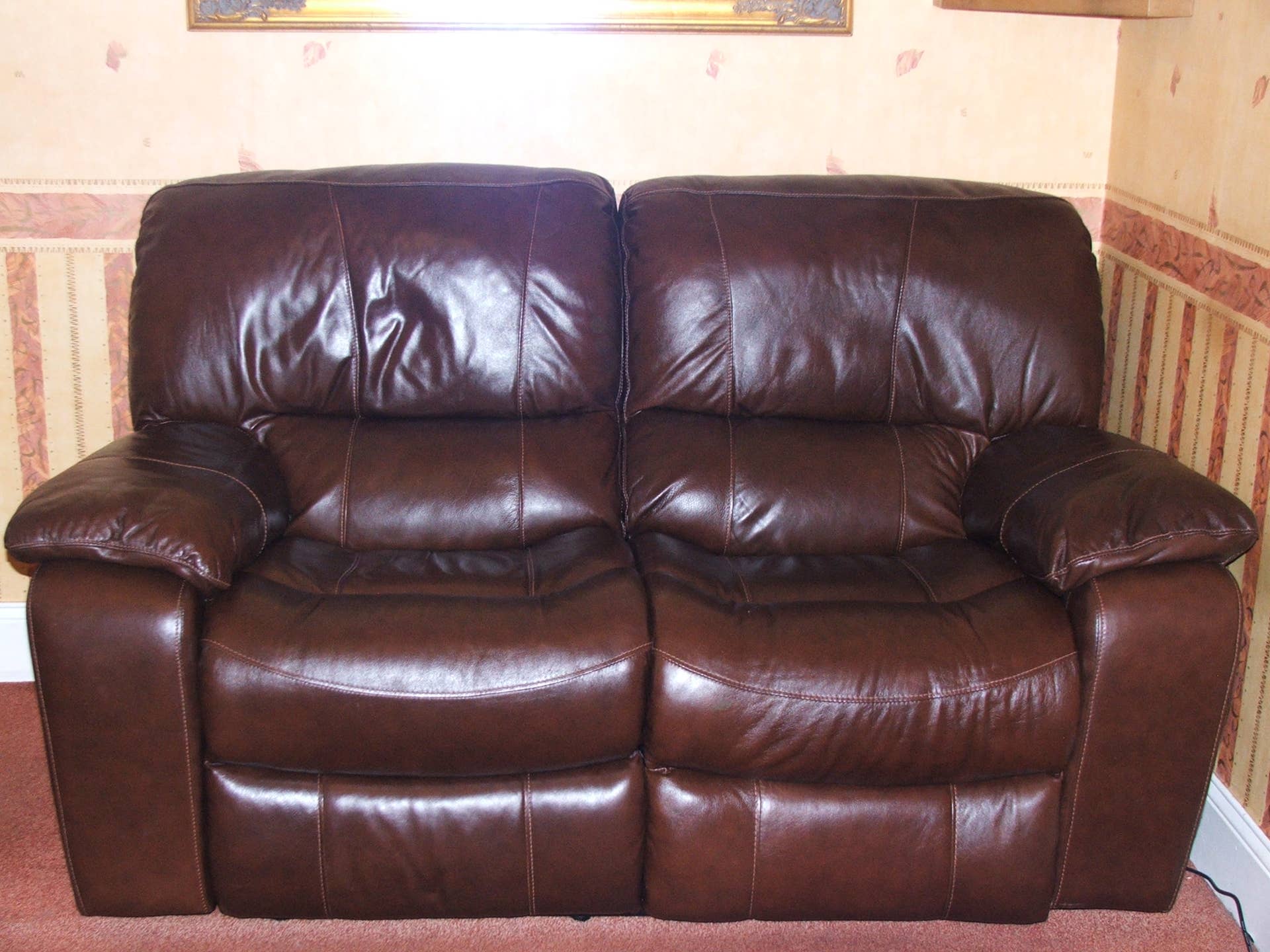
Credit: dengarden.com
Common Myths About Recliners And Back Pain
Many people believe reclining sofas cause back pain. Some think they are bad for your spine. Let’s look at these ideas and see what is true.
Recliners have a mixed reputation. Some say they help with back pain. Others say they make it worse. We will explore common myths about recliners and back health.
Myth: Recliners Cause Poor Posture
People think reclining makes you slouch and lose good posture. This is not always true. Recliners can support your back well.
When used correctly, recliners help keep your spine aligned. The key is to adjust the chair so your back is supported.
Myth: Reclining Sofas Increase Back Pain
Some say sitting in a recliner causes more pain. This depends on how you use it. Recliners can reduce pressure on your lower back.
People with back pain may find relief by reclining. It can ease muscle tension and improve comfort.
Myth: Recliners Are Only For Older Adults
Many think recliners are just for seniors. This is not true. Anyone can benefit from a good recliner.
Recliners can help people of all ages relax and support their back during rest.
Myth: Recliners Do Not Need Proper Support
Some believe recliners do not need cushions or support. Good recliners come with built-in support. You should also use pillows if needed.
Proper lumbar support helps keep your spine in a natural curve. This reduces back strain and pain.
- Use a small pillow for lower back support
- Adjust the recliner angle for comfort
- Avoid sitting too long in one position
Credit: la-z-boy.co.uk
Frequently Asked Questions
Are Reclining Sofas Beneficial For Back Pain Relief?
Reclining sofas can relieve back pain by supporting the spine’s natural curve. They reduce pressure on the lower back. Adjustable positions help distribute weight evenly. However, choosing a sofa with good lumbar support is essential for maximum benefit.
How Do Reclining Sofas Support Spinal Alignment?
Reclining sofas promote spinal alignment by allowing users to adjust the seat angle. This reduces strain on the spine and muscles. Proper lumbar support in recliners maintains the natural curve of the lower back, preventing poor posture and discomfort over time.
Can Reclining Sofas Prevent Back Problems Long-term?
Reclining sofas may help prevent back problems if used correctly. They encourage better posture and reduce pressure points. However, prolonged sitting without movement can still cause issues. Combining recliner use with regular breaks and exercises is ideal for back health.
What Features To Look For In A Back-friendly Recliner?
Look for adjustable lumbar support, firm cushioning, and multiple reclining angles. A recliner with a footrest and head support enhances comfort and reduces back strain. Ergonomic design is key to supporting natural spine alignment and preventing discomfort.
Conclusion
Reclining sofas can help ease back pain if chosen right. Support is key. A good sofa supports your lower back well. Avoid soft sofas that make your back sink. Try different positions to find what feels best. Remember, no sofa replaces good posture or exercise.
Use reclining sofas as part of a healthy routine. Your back will thank you for care and comfort. Choose wisely and enjoy relaxing without pain.