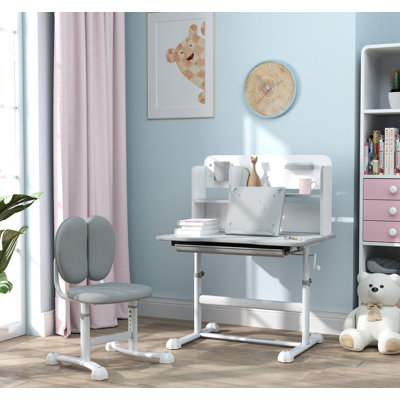
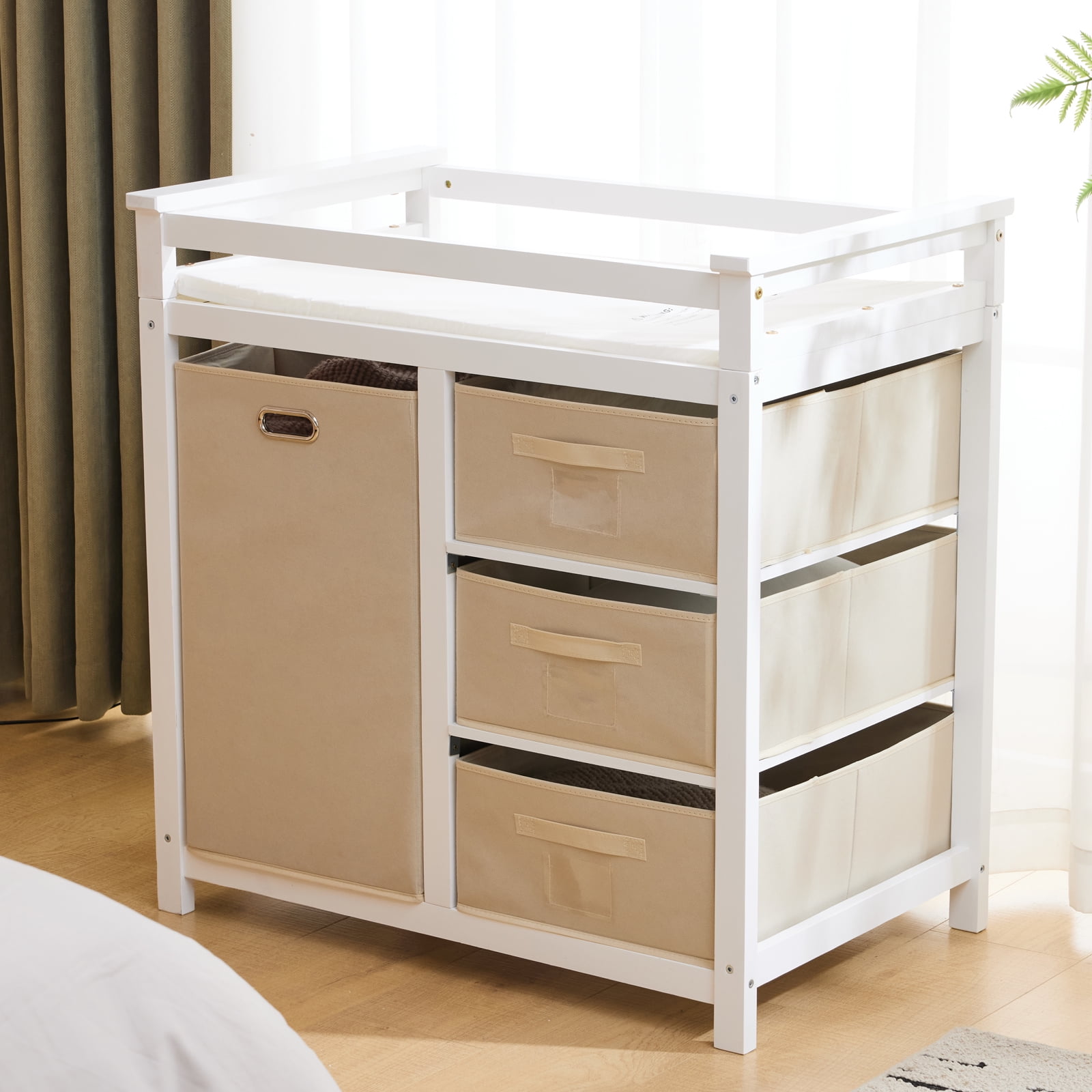
Are you tired of clutter taking over your space? Building your own shelving units might be the simplest way to bring order and style into your home.
Imagine having shelves that fit perfectly, hold everything you need, and showcase your personal touch. In this guide, you’ll discover easy steps to create sturdy, beautiful shelves without needing a ton of experience or expensive tools. Keep reading, and you’ll be surprised at how quickly you can transform your room with shelving designed just for you.

Credit: homefixated.com
Choosing The Right Materials
Building a sturdy shelving unit starts with picking the right materials. The choice affects strength and appearance.
Focus on the type of wood or alternatives, and the hardware and tools needed for assembly.
Types Of Wood And Alternatives
Wood comes in many types, each with different looks and durability. You can also use other materials for shelving.
- Pine:Softwood, easy to cut, affordable for beginners.
- Oak:Hard and strong wood, good for heavy shelves.
- Birch:Smooth finish, good for painting or staining.
- Plywood:Layers glued together, strong and stable.
- MDF (Medium-Density Fiberboard):Smooth surface, cheaper but less strong.
- Metal:Durable alternative, often used for modern shelves.
Hardware And Tools Needed
Using the right hardware and tools helps make your shelves safe and easy to build. Here is a simple table of what you need.
| Item | Purpose |
| Screws | Hold pieces together firmly |
| Brackets | Support shelves on walls |
| Drill | Make holes for screws |
| Screwdriver | Tighten screws |
| Measuring Tape | Measure wood and spaces |
| Level | Check shelf is straight |
| Sandpaper | Smooth wood edges |

Credit: www.willowbloomhomeblog.com
Planning Your Shelving Unit
Building a shelving unit can be a fun project. It helps you organize your space better. You need to plan before you start building. Proper planning ensures your shelving unit fits well and serves your needs.
This guide will help you understand how to plan your shelving unit. We will look at measuring your space and designing for function and style.
Measuring Your Space
Start by measuring the space where you want to put your shelves. Use a tape measure to get the width, height, and depth. This will help you know how big your shelves should be.
Make sure you measure twice to avoid mistakes. Write down your measurements. This will help you when buying materials or cutting wood.
- Measure the width of the wall
- Check the height from floor to ceiling
- Determine how deep you want your shelves
Designing For Function And Style
Think about what you will store on your shelves. This will help you decide how strong the shelves need to be. Choose materials that can hold the weight of your items.
Consider the style of your room. Your shelving unit should match the decor. You can paint the shelves or use a stain to enhance their look.
| Function | Style |
| Store books, toys, or tools | Wood finish, metal, or painted |
| Weight capacity | Match room decor |
Step-by-step Assembly Guide
Building your own shelving units is a practical way to add storage space. This guide will walk you through each step clearly.
Follow the instructions carefully to ensure your shelves are sturdy and safe. Gather all tools and materials before you start.
Cutting And Preparing Materials
Start by measuring the wood pieces based on your desired shelf size. Use a saw to cut the wood accurately.
- Measure the length and width of each shelf board
- Mark the cutting lines clearly with a pencil
- Cut wood pieces using a handsaw or power saw
- Sand the edges to smooth any rough surfaces
- Organize all cut pieces by size and type
Building The Frame
Assemble the frame by joining the vertical and horizontal supports. Use screws and a drill for strong joints.
| Part | Quantity | Description |
|---|---|---|
| Vertical Supports | 2 | Long wood pieces for sides |
| Horizontal Supports | 2 | Top and bottom frame pieces |
| Cross Braces | 1 or 2 | For added stability |
| Screws | 12-16 | To secure all parts |
Align the vertical supports upright and attach the horizontal supports at top and bottom. Add cross braces if needed.
Installing Shelves
Place each shelf board inside the frame at your preferred height. Use brackets or screws to fix the shelves in place.
- Decide the spacing between shelves
- Mark shelf positions on the frame
- Attach support brackets or cleats at marked points
- Set the shelves on supports
- Secure shelves with screws to prevent movement
Finishing Touches And Maintenance
After building your shelving units, finishing them well keeps them strong and good-looking. Proper maintenance helps shelves last for years.
This section covers ways to sand and paint your shelves and tips for caring for them over time.
Sanding And Painting Options
Sanding smooths the wood surface and removes rough spots. It prepares shelves for paint or finish.
- Start with coarse sandpaper (80-100 grit) to shape edges.
- Use medium grit (150-180) to smooth surfaces.
- Finish with fine grit (220) for a soft touch.
- Remove dust with a damp cloth before painting.
Choose paint or finish based on shelf use. Matte paint hides scratches. Glossy paint shows shine but needs care.
| Type | Best For | Pros | Cons |
| Latex Paint | Indoor shelves | Easy to clean, dries fast | Can chip over time |
| Oil-Based Paint | Heavy-use shelves | Durable, smooth finish | Long drying time, strong smell |
| Wood Stain | Natural look | Shows wood grain, easy to apply | Needs sealant for protection |
| Polyurethane | Protective finish | Water and scratch resistant | May yellow over time |
Caring For Your Shelves
Keep your shelves clean and strong with regular care. This prevents damage and keeps them looking fresh.
- Dust shelves weekly with a soft cloth.
- Wipe spills immediately to avoid stains.
- Use coasters or pads under heavy items.
- Avoid placing shelves in direct sunlight.
- Reapply finish every 1-2 years to protect wood.
| Maintenance Task | Frequency | Tools Needed |
|---|---|---|
| Dusting | Weekly | Soft cloth or duster |
| Cleaning spills | As needed | Damp cloth, mild soap |
| Inspecting finish | Every 6 months | Good light, magnifying glass |
| Reapplying finish | Every 1-2 years | Sandpaper, paintbrush, finish |

Credit: www.youtube.com
Frequently Asked Questions
What Materials Are Best For Building Shelving Units?
Wood, metal, and plywood are ideal materials for shelving units. Wood offers durability and a classic look. Metal provides strength and modern appeal. Plywood is affordable and easy to work with. Choose based on your style, budget, and shelf purpose.
How Do I Measure Space For Shelving Units?
Measure the width, height, and depth of your available space. Consider clearance for doors and furniture. Use a tape measure and note dimensions accurately. Proper measurements ensure your shelving unit fits perfectly and functions well.
What Tools Are Needed To Build Shelving Units?
Basic tools include a saw, drill, screwdriver, measuring tape, and level. Sandpaper and clamps help with finishing and stability. These tools ensure precise cuts and secure assembly for sturdy shelves.
How Can I Make Shelves More Durable?
Use high-quality materials and proper joinery like screws or brackets. Apply a protective finish like paint or varnish. Reinforce joints and avoid overloading shelves. These tips increase shelf longevity and safety.
Conclusion
Building shelving units can be simple and rewarding. Start with clear plans and gather all materials. Take your time measuring and cutting each piece. Use the right tools for a sturdy result. Step by step, your shelf will take shape.
Enjoy organizing your space with your new shelves. Keep practicing to improve your skills. Small projects like this build confidence and knowledge. Now, you can create shelves that fit your needs perfectly. Give it a try and see the difference it makes!