Are you ready to create sturdy, stylish storage with aluminum shelving units but don’t know where to start? You’re in the right place.
Assembling these shelves might seem tricky at first, but with the right steps, you can have your unit ready in no time. Imagine a clutter-free space where everything has its place—sounds good, right? This guide will walk you through each step clearly and simply, so you can build your shelving with confidence.
Keep reading, and by the end, you’ll have the skills to assemble your aluminum shelves quickly and easily.
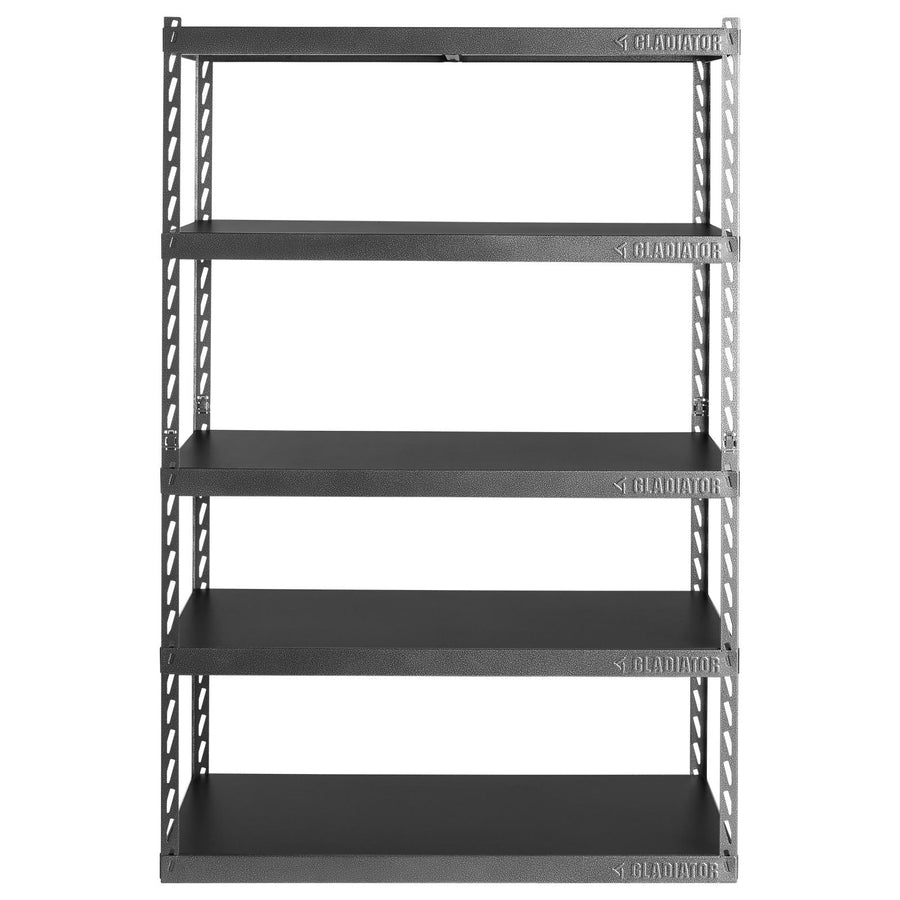
Credit: www.gladiatorgarageworks.com
Gathering Tools And Materials
Assembling aluminum shelving units requires the right tools and materials. Getting everything ready first makes the process smoother.
This guide helps you collect the items needed for a safe and sturdy shelving setup.
Tools Needed
- Screwdriver (Phillips and flathead)
- Rubber mallet
- Measuring tape
- Level tool
- Wrench or socket set
- Work gloves
Materials To Prepare
Gather all shelving parts before you start. This includes shelves, posts, brackets, and fasteners.
| Material | Description | Quantity |
| Aluminum shelves | Flat panels for storage | Depends on unit size |
| Vertical posts | Support beams for shelves | 4 per unit |
| Brackets | Hold shelves in place | 2 per shelf |
| Screws and bolts | Fasteners to join parts | Varies |
| Plastic end caps | Protective covers for posts | 4 per unit |
Safety Equipment
Wear safety gear to protect yourself while assembling the shelving unit.
- Work gloves to protect your hands
- Safety glasses to shield your eyes
- Closed-toe shoes for foot protection
Preparing The Shelving Components
Assembling aluminum shelving units is simple with the right preparation. This guide will help you organize and prepare your shelving components efficiently.
Before you begin, gather all necessary tools and parts. Ensure you have a clear workspace to lay out your components.
Gather The Necessary Tools
You will need a few basic tools to assemble your shelves. Make sure everything is within reach before starting.
- Screwdriver
- Rubber mallet
- Level
- Measuring tape
Check The Shelving Parts
Ensure you have all the necessary parts for assembly. Missing parts can delay your project.
| Part | Quantity |
| Shelves | 4 |
| Posts | 4 |
| Screws | 16 |
| Brackets | 8 |
Organize Your Workspace
A well-organized workspace makes assembly easier. Clear a space large enough to lay out all your parts.
Step-by-step Assembly Process
Assembling aluminum shelving units is simple when you follow clear steps. These shelves are strong and lightweight, making them easy to build.
This guide helps you put your shelving unit together safely and quickly. Take your time and check each part as you go.
Prepare Your Workspace And Tools
Clear a large, flat area to work on. This space will hold all parts and tools. Make sure you have everything before you start.
You will need a rubber mallet, screwdriver, and gloves. Keep the instruction manual nearby for reference.
- Clear a flat workspace
- Gather tools: rubber mallet, screwdriver, gloves
- Have the instruction manual ready
Sort And Identify All Parts
Lay out all parts and hardware. Check the labels to match each piece with the manual. This step helps avoid mistakes.
Make piles for shelves, supports, and screws. Count the parts to make sure nothing is missing.
- Lay out all parts clearly
- Match parts with the manual labels
- Count pieces to confirm you have all
Assemble The Frame
Start by building the frame with vertical supports and horizontal bars. Connect these using screws or clips as instructed.
Use the rubber mallet to gently tap parts into place if needed. Make sure the frame is level and square before tightening screws.
- Attach vertical supports to horizontal bars
- Use screws or clips to secure connections
- Check frame is level and square
- Tighten screws carefully
Install The Shelves
Place the shelves onto the frame at the desired heights. Most shelves slide into support brackets or rest on clips.
Make sure each shelf is secure and stable. Adjust the height if needed before final tightening.
- Slide or place shelves on support brackets
- Check shelves are level and secure
- Adjust shelf height if necessary
Secure And Finalize Assembly
Double-check all screws and clips. Tighten any loose connections to ensure safety. Your shelving unit should now be sturdy.
Place the unit against a wall if needed. Use wall anchors or straps for extra stability, especially for tall units.
- Tighten all screws and clips
- Ensure unit is stable and sturdy
- Use wall anchors for tall shelves
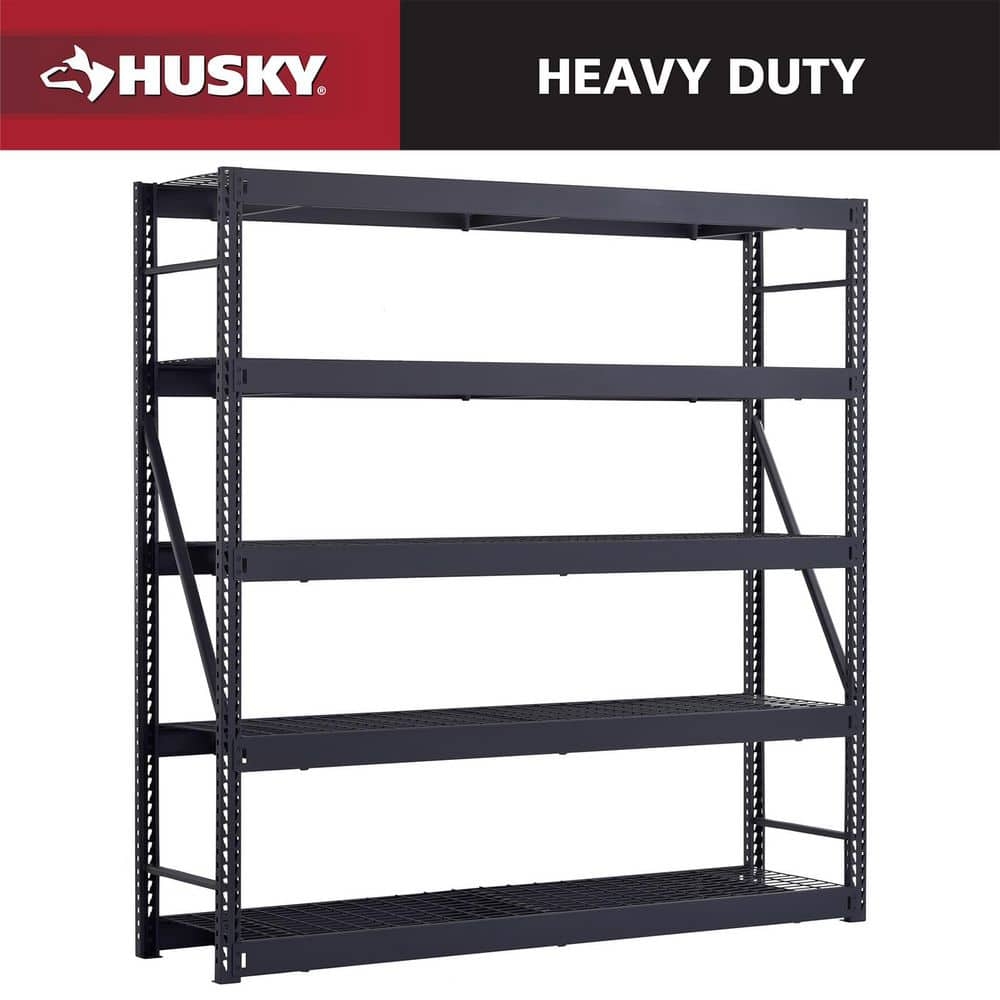
Credit: www.homedepot.com
Tips For Stability And Maintenance
Assembling aluminum shelving units correctly ensures they stay strong and last long. Proper care keeps them safe and useful.
These tips help you keep your shelves stable and in good condition over time.
Secure Shelves To The Wall
Attach your shelving unit to the wall for better stability. This prevents tipping or falling, especially with heavy items.
Use brackets or straps made for aluminum shelves. Find wall studs and fix the supports firmly.
- Locate wall studs with a stud finder
- Use screws and anchors suited for your wall type
- Check shelf alignment before tightening screws
Level The Shelving Unit
Make sure the shelving unit stands level on the floor. Uneven shelves can cause items to slide or shelves to bend.
Use a carpenter’s level during assembly. Adjust the feet or add shims under legs if needed.
- Place the level on each shelf surface
- Check front-to-back and side-to-side balance
- Add rubber feet pads to prevent slipping
Tighten All Bolts And Screws
Check all bolts and screws after assembly. Tighten them to keep the unit strong and prevent wobbling.
Regularly inspect fasteners over time. Loose parts can reduce stability and cause damage.
- Use the correct tools for tightening
- Do not over-tighten to avoid stripping threads
- Inspect fasteners every few months
Clean And Protect The Aluminum
Keep the shelves clean to avoid dirt buildup that can cause corrosion. Use mild soap and water for cleaning.
Dry shelves well after cleaning. Apply a protective coating if recommended by the manufacturer.
- Use a soft cloth or sponge
- Avoid harsh chemicals or abrasive tools
- Consider applying wax for extra protection
Distribute Weight Evenly
Place items evenly across shelves to maintain balance. Heavy objects should go on lower shelves.
Avoid overloading any single shelf. Follow the weight limits set by the manufacturer.
- Check the weight capacity of each shelf
- Put heavy items near the sides or back
- Keep lighter items on top shelves

Credit: www.amazon.com
Frequently Asked Questions
What Tools Are Needed To Assemble Aluminum Shelving Units?
You typically need a screwdriver, rubber mallet, and adjustable wrench. Some kits include specific tools. Always check the assembly manual before starting.
How Long Does It Take To Assemble Aluminum Shelving?
Assembly usually takes 30 to 60 minutes depending on experience. Following instructions carefully speeds up the process. Having all parts ready also helps.
Can Aluminum Shelving Units Support Heavy Loads?
Yes, aluminum shelving can support heavy loads if properly assembled. Weight capacity varies by design, so check product specifications before use.
Are Aluminum Shelving Units Easy To Disassemble And Move?
Yes, these units are designed for easy disassembly and relocation. They use bolts and clips, allowing quick teardown without damage.
Conclusion
Assembling aluminum shelving units can be simple and quick. Follow the steps carefully and use the right tools. Take your time to fit each part securely. This will make your shelves strong and safe. You will enjoy organized space and easy access to items.
Remember, clear instructions help avoid mistakes and save effort. Now, you can build shelves that last long and look neat. Keep your workspace tidy during assembly for better results. Try this project with confidence and see the difference it makes.