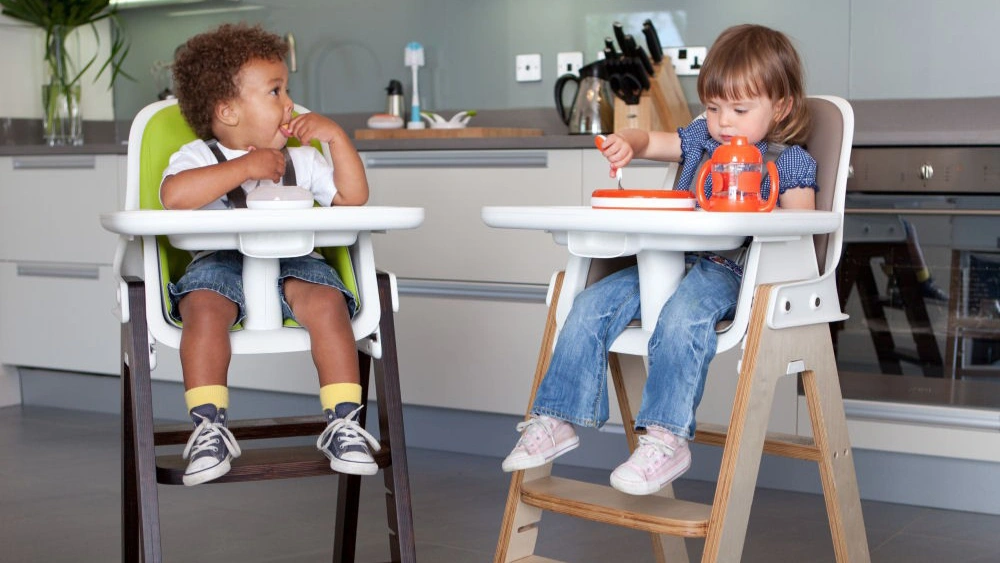
Are you wondering how long your little one should stay in a high chair? It’s a common question for many parents trying to balance safety, comfort, and independence during mealtime.
Knowing the right time to transition can make a big difference in your child’s development and your daily routine. You’ll discover clear, practical advice to help you decide when to keep your child in the high chair—and when it’s time to move on.
Keep reading to make mealtimes easier and more enjoyable for both you and your child.
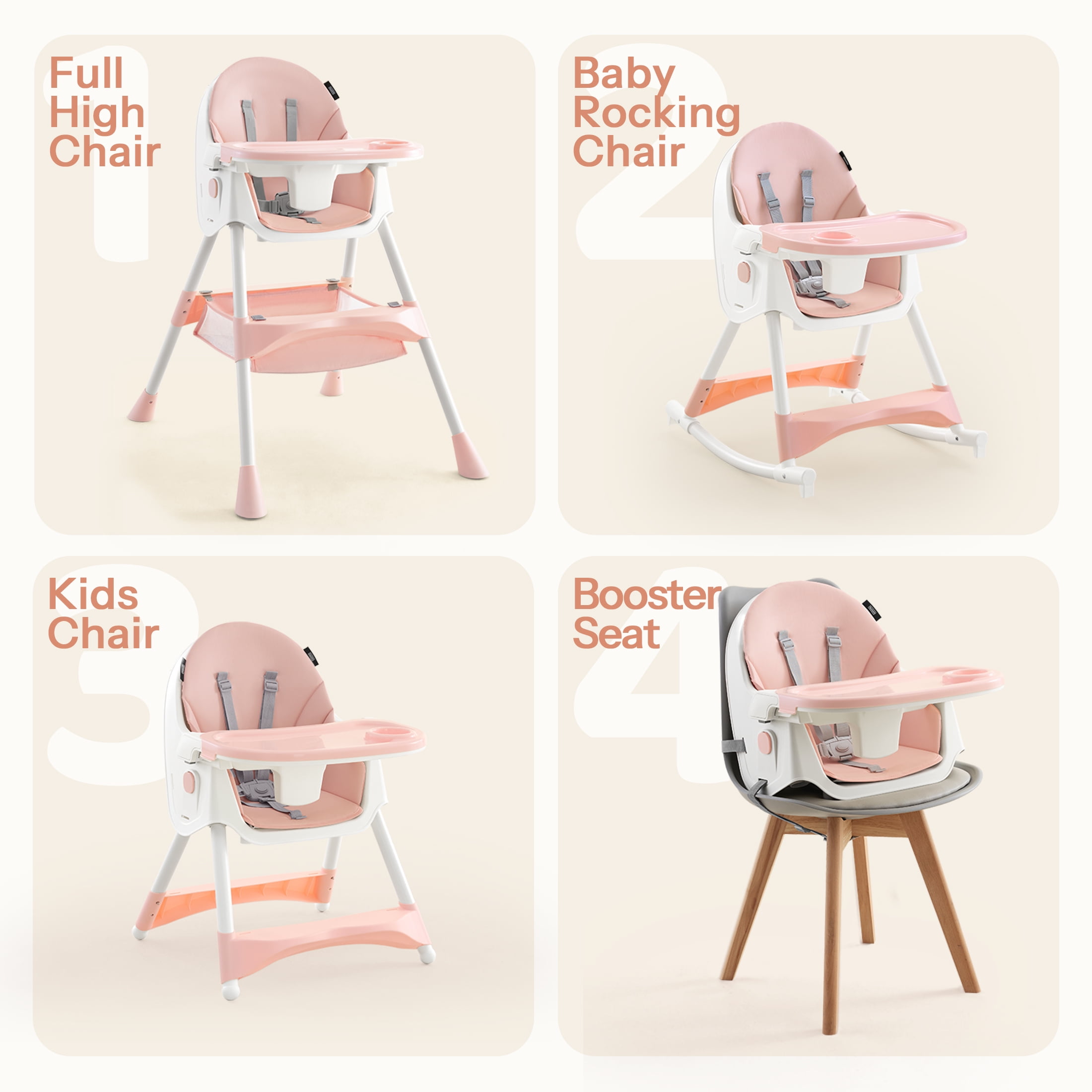
Credit: www.walmart.com
When To Start Using A High Chair
Using a high chair helps your child sit safely during meal times. Knowing when to start using one is important for their comfort and safety.
Most babies are ready for a high chair between 4 to 6 months old. This depends on their development and ability to sit up with support.
Signs Your Child Is Ready
Look for signs that show your baby can handle a high chair safely. These signs include physical and behavioral cues.
- Your baby can sit up with little or no help.
- They have good head and neck control.
- Your baby shows interest in food and mealtime.
- They can hold their head steady while sitting.
- Your child can lean forward without falling over.
Choosing The Right High Chair
Selecting the best high chair helps keep your child safe and comfortable. Consider factors like size, stability, and ease of cleaning.
| Feature | What to Look For |
| Stability | Wide base to prevent tipping |
| Adjustability | Height and footrest options |
| Safety | Secure straps and locking wheels |
| Material | Easy to clean surfaces |
| Comfort | Padded seat and back support |

Credit: staranddaisy.in
Ideal Duration For High Chair Use
Understanding the right time for high chair use helps in child development. Parents need to know how long kids should sit in a high chair daily.
Correct use ensures safety and promotes good eating habits. It’s important to follow guidelines to make mealtime enjoyable and productive.
Daily Time Limits
Children should not sit in high chairs for long periods. Short, focused mealtimes are best for their comfort and health.
A general guideline is to keep meals around 20 to 30 minutes. This helps maintain their interest and encourages better eating habits.
- Breakfast: 15 to 20 minutes
- Lunch: 20 to 30 minutes
- Dinner: 20 to 30 minutes
Age Recommendations
Age is a factor in determining high chair use. Babies start using high chairs when they can sit up unassisted.
Typically, this is around 6 months of age. Most children stop using high chairs by 3 years, transitioning to booster seats or regular chairs.
| Age | High Chair Use |
| 6-12 months | Introduction to high chair |
| 1-2 years | Regular use during meals |
| 2-3 years | Transition to booster seat |
Safety Tips For High Chair Use
Using a high chair helps keep kids safe during meal times. It is important to follow safety tips. This prevents accidents and injuries.
Parents and caregivers should know how to use the high chair correctly. This includes proper harnessing and ways to prevent falls.
Proper Harnessing
Always fasten the harness straps before placing your child in the high chair. The straps keep the child secure and stop slipping or climbing out.
- Use the full harness system, including the crotch strap.
- Adjust straps to fit snugly but comfortably.
- Check harness for any damage or wear before each use.
- Never leave the child unattended even if harnessed.
Preventing Falls
Falls are a common danger with high chairs. Make sure the chair is stable and used correctly to avoid falls.
| Tip | How to Follow |
| Place high chair on flat surface | Check floors for evenness before use |
| Use locking wheels or brakes | Engage locks on wheels if present |
| Keep the chair away from counters | Prevent the child from pushing off or tipping |
| Do not use high chair for play | Only seat your child during mealtime |

Credit: www.otakibaby.com
Transitioning Out Of The High Chair
Many parents wonder how long their child should stay in a high chair. Moving to a new seat is an important step in a child’s growth. It helps them learn new skills and feel more grown-up.
This change should happen when your child shows signs of readiness. Paying attention to these signs can make the transition smooth and safe.
Indicators Your Child Is Ready
Look for clear signs that your child can use a different seat safely. These signs include physical and behavioral clues.
- Your child can sit up well without support.
- They show interest in sitting with the family at the table.
- Your child can climb out of the high chair.
- They have good balance when sitting on a regular chair.
- Your child can follow simple safety rules during mealtime.
Alternative Seating Options
After the high chair, there are many seats to try. Choosing the right one depends on your child’s age and safety needs.
| Seating Option | Age Range | Key Features |
|---|---|---|
| Booster Seat | 1 to 3 years | Attaches to regular chairs, has safety straps |
| Kid-Sized Chair | 2 to 5 years | Low height, stable, easy to get on and off |
| Adult Chair with Cushion | 3+ years | Use with cushions for comfort and height |
Frequently Asked Questions
How Long Should Toddlers Use A High Chair?
Toddlers typically use high chairs until about 2 to 3 years old. This depends on their size and developmental skills. Once they can sit safely in a regular chair, transitioning is recommended for comfort and safety.
When Is It Safe To Stop Using A High Chair?
It is safe to stop using a high chair when your child can sit steadily in a regular chair. Usually, this happens around age 2 or 3. Ensure they have good posture and can eat without support before transitioning.
What Are Signs My Child Outgrows A High Chair?
Your child may outgrow a high chair when their feet no longer fit comfortably, or they try to climb out. Also, when they can sit independently in a booster or regular chair, it’s time to transition for safety.
Can High Chair Use Affect Child Development?
High chairs support safe eating but extended use might limit movement. It’s important to balance sitting time with play and exploration for healthy development. Transitioning out at the right time encourages independence and motor skills.
Conclusion
Kids usually stay in high chairs until they can sit well at the table. This often means around 18 months to 3 years old. Every child grows at their own pace, so watch for signs they want to move on.
Safety is key—always use straps and keep an eye on your child. Choosing the right time helps make mealtime easier for everyone. High chairs are helpful tools, but kids outgrow them naturally. Stay patient and enjoy these little moments.