Imagine lounging in your backyard, gently swaying under the shade of a tree, with a cool breeze brushing your face. Sounds heavenly, right?
Creating your own outdoor swing bed can turn this dream into reality. Not only is it a perfect spot for relaxation, but it also adds a touch of charm and personality to your outdoor space. You might think this is a challenging project, but with the right steps, you can easily make it happen.
In this guide, you’ll discover simple instructions to craft an outdoor swing bed that will become your favorite escape. Are you ready to transform your backyard into a sanctuary of comfort and style? Let’s get started!
Credit: timberframehq.com
Choosing The Right Materials
Choosing the right materials is a key step in building an outdoor swing bed. The materials affect the bed’s strength, comfort, and how long it lasts outside. You want to pick items that resist weather and stay beautiful over time. Quality materials make your project safer and more enjoyable.
Selecting Durable Wood
Wood is the frame’s main part. It needs to handle weight and outdoor conditions. Cedar and teak are top choices. Both resist rot and insects well. Pressure-treated pine is cheaper but still strong. Avoid soft woods that break or warp easily.
Look for smooth, knot-free boards. They make the swing bed safer and easier to finish. Use wood that is at least 1 inch thick for stability. Sand all surfaces well before assembly.
Picking Comfortable Cushions
Cushions add comfort and style. Outdoor cushions must resist water, mold, and fading. Look for fabrics like solution-dyed acrylic or polyester. These dry quickly and stay bright in sunlight.
Choose cushions with dense foam inside. This prevents quick flattening. Removable covers help with cleaning. Pick sizes that fit the swing bed frame perfectly for a neat look.
Essential Hardware And Tools
Hardware holds everything together safely. Use stainless steel or galvanized screws and bolts. They resist rust in rain and humidity. Heavy-duty chains or strong ropes support the swing bed’s weight.
Tools needed include:
- Drill with bits for wood and metal
- Screwdrivers and wrenches
- Measuring tape and level
- Sandpaper or power sander
- Saw for cutting wood
Good tools make the building process smoother and more accurate.

Credit: startathomedecor.com
Building The Frame
Building the frame of your outdoor swing bed is where your vision starts to take shape. This stage demands precision and patience because a sturdy frame guarantees safety and comfort. Let’s break down the process into manageable tasks so you can tackle it confidently.
Measuring And Cutting Wood
Accurate measurements are the foundation of a solid frame. Use a tape measure to mark the lengths of wood needed for the base and support parts.
Double-check your measurements before cutting to avoid wasting materials. I learned this the hard way when a slight miscalculation led to uneven parts that needed re-cutting.
Choose quality wood like cedar or treated pine. These withstand outdoor conditions better and last longer.
Assembling The Base
The base is where your swing bed will rest, so it must be level and strong. Lay out the cut wood on a flat surface to ensure everything lines up correctly.
- Start by connecting the longer side pieces with the shorter crosspieces.
- Use wood screws for a firm hold and add wood glue for extra strength.
- Check for square corners using a carpenter’s square to keep the frame balanced.
Taking your time here prevents wobbling later. A good tip is to clamp pieces together while screwing to keep the wood steady.
Constructing The Support Structure
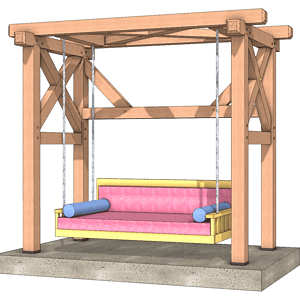
Next, build the vertical supports that will carry the weight of the swing bed and its occupants. These must be both strong and well-anchored.
Attach sturdy posts to each corner of the base using heavy-duty brackets or angled wood blocks. Reinforce joints with additional screws.
Think about how you will hang the bed—your support structure should allow enough clearance and stability for smooth swinging.
Have you considered how the height of your supports affects comfort? Too low, and swinging feels cramped; too high, and the bed might sway too much.
Finishing Touches
The finishing touches bring your outdoor swing bed to life. They protect the wood and add comfort. These final steps make your swing bed safe, strong, and inviting.
Sanding And Painting
Sanding smooths the wood, removing rough spots. Use fine-grit sandpaper for a soft finish. This step prevents splinters and helps paint stick better.
Choose paint or stain made for outdoor use. It shields wood from rain and sun. Apply at least two coats for lasting protection.
Adding Cushions And Fabrics
Select cushions that fit the swing bed size. Pick fabrics designed for outdoor use to resist fading and moisture. Bright colors or patterns add style and comfort.
Use waterproof covers or spray fabric protector. It keeps cushions dry and clean. Secure cushions with ties or non-slip mats to prevent sliding.
Installing Hanging Mechanism
Pick strong chains, ropes, or hardware rated for weight. Attach securely to the swing bed frame and support beams. Check all knots and hooks for safety.
Test the swing gently before use. Adjust hanging length for comfort and balance. Proper installation avoids accidents and ensures a smooth swing.

Credit: www.thecoolist.com
Frequently Asked Questions
What Materials Are Needed To Make An Outdoor Swing Bed?
To make an outdoor swing bed, you need wood planks, sturdy ropes or chains, screws, a drill, sandpaper, and outdoor cushions. Choose weather-resistant wood like cedar or teak for durability and comfort.
How Do I Ensure Safety When Building A Swing Bed?
Ensure safety by securely fastening all joints and using strong, weatherproof ropes or chains. Check weight limits and anchor points to support the bed and occupants safely.
What Are The Best Wood Types For An Outdoor Swing Bed?
Cedar, teak, redwood, and treated pine are ideal for outdoor swing beds. These woods resist moisture, insects, and decay, ensuring your swing bed lasts longer outdoors.
How Can I Protect My Swing Bed From Weather Damage?
Apply a weatherproof sealant or outdoor paint to protect the wood. Use waterproof cushions and cover the swing bed when not in use to extend its life.
Conclusion
Building an outdoor swing bed adds comfort to any garden or porch. It offers a cozy place to relax and enjoy fresh air. The steps are simple and use easy-to-find materials. You can customize the size and colors to fit your style.
With basic tools, anyone can create this relaxing spot. Take your time and follow each step carefully. Soon, you will have a beautiful swing bed to enjoy every day. A great project that brings fun and rest together.