Have you ever wondered why the piece of furniture in your dining room is called a sideboard? It’s a name you hear often but might not fully understand.
Knowing the story behind this familiar term can change the way you see your home and the objects you use every day. You’ll discover the surprising history and meaning of the sideboard. By the end, you’ll not only impress your friends with this little-known fact but also appreciate your sideboard in a whole new light.
Ready to uncover the secret behind its name? Let’s dive in.
Origins Of The Sideboard
The sideboard is a piece of furniture used in dining rooms. It holds dishes, silverware, and food during meals.
The name “sideboard” comes from its original use and placement in homes. It stood beside the dining table to serve food.
Early Use In Dining Rooms
Sideboards first appeared in Europe during the 18th century. They helped organize dining spaces better.
People placed sideboards near tables to keep plates and utensils close. This made serving easier and faster.
Meaning Of The Name “sideboard”
The word “sideboard” combines “side” and “board.” “Side” means beside, and “board” means table.
It describes a board or table placed at the side of a dining table. This is where food and dishes were set.
Evolution Of Design And Function
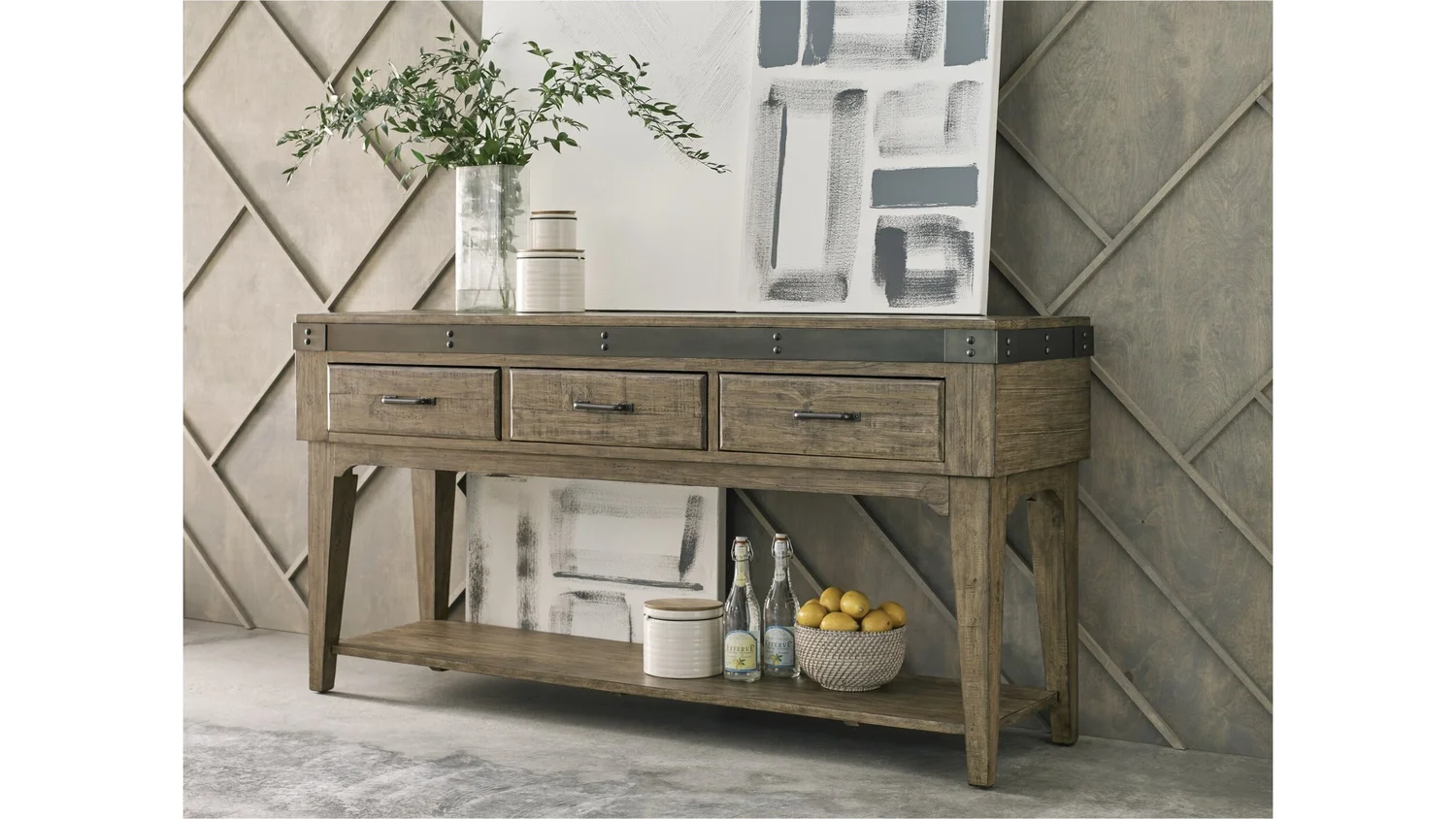
Originally, sideboards were simple wooden tables. Over time, they gained drawers and cabinets.
This change helped store more items like linens and cutlery. The sideboard became both useful and decorative.
Credit: www.belfortfurniturebuzz.com
Evolution Of Sideboard Design
The sideboard has a long history in furniture design. It began as a simple table for serving food. Over time, it evolved into a multifunctional piece.
Today, sideboards are used for storage and display. They often feature drawers and cabinets. Let’s explore how sideboard design has changed through the years.
The earliest sideboards were basic tables. They were used to hold dishes and cutlery. These tables were often found in dining rooms.
- First appeared in the 18th century
- Used primarily in dining areas
- Simple design with minimal features
Victorian Era Enhancements
In the Victorian era, sideboards became more ornate. They featured detailed carvings and inlays. This period saw the addition of cupboards and drawers.
Modern Sideboards
Today’s sideboards are sleek and functional. They use materials like metal and glass. Modern designs often incorporate technology.
| Feature | Traditional | Modern |
| Material | Wood | Metal/Glass |
| Design | Ornate | Sleek |
| Function | Storage | Storage + Tech |
Cultural Influences On Naming
The names of furniture often reflect their cultural and historical backgrounds. The word “sideboard” is no exception. It shows how language and culture shape how we name everyday objects.
Understanding the cultural influences behind the sideboard’s name helps us see its role in different societies. This block explores the origins and meanings linked to this common furniture piece.
Origins In European Dining Traditions
The sideboard first appeared in European homes during the 18th century. It was mainly used to hold dishes and food during meals. The name comes from placing it “by the side” of the dining room.
This practical furniture piece reflected the customs of formal dining and serving. It showed the importance of hospitality in European culture.
Influence Of Language And Usage
The term “sideboard” combines two words: “side,” meaning beside, and “board,” an old word for table. This naming style is common in English-speaking countries. It describes furniture by its function and placement.
- “Side” indicates its location next to the dining table.
- “Board” refers to the flat surface used for placing dishes.
- The name reflects how people used language to describe objects clearly.
Variations In Different Cultures
Other cultures have different names for similar furniture. These names show unique traditions and uses. For example, in France, it is called a “buffet,” which highlights its role in serving food.
| Country | Furniture Name | Meaning or Use |
| England | Sideboard | Placed beside the dining table |
| France | Buffet | Serving food and storing dishes |
| Italy | Credenza | Storage and display of tableware |
| Germany | Anrichte | Side furniture for food preparation |
Social Status And Furniture Naming
Names like “sideboard” also reflect social customs. In many cultures, owning a sideboard showed wealth and good taste. It was often part of formal dining rooms in wealthy homes.
Note:The sideboard’s name and design changed as dining habits and social customs evolved. Its cultural importance is seen in how different languages describe it.
Credit: www.wayfair.com
Sideboard’s Role In Modern Homes
The sideboard is a useful piece of furniture in many homes. It stores items and adds style to rooms.
It fits well in dining rooms, living rooms, or hallways. People use sideboards to keep things neat.
Storage And Organization
Sideboards help store dishes, glasses, and table linens. They keep dining areas clean and tidy.
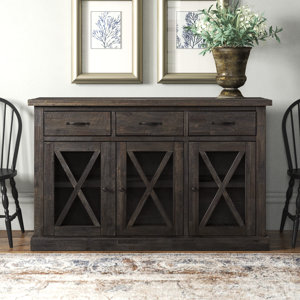
Many sideboards have drawers and cabinets. This design makes it easy to organize small and large items.
- Store plates and bowls
- Keep silverware and napkins
- Hide away table decorations
Decorative Display Space
Sideboards offer space on top for decorations. People place lamps, plants, or photos on them.
This display area adds character to rooms. It also makes the sideboard a focal point in the space.
- Show family photos
- Place candles or vases
- Add small art pieces
Versatility In Different Rooms
Sideboards work well beyond dining rooms. They fit in living rooms, entryways, and offices.
In living rooms, sideboards hold books or media. In entryways, they store keys and mail.
- Living room storage
- Entryway organization
- Office supply storage

Credit: www.firesideantiques.com
Frequently Asked Questions
What Is The Origin Of The Term “sideboard”?
The term “sideboard” originated from furniture placed beside a dining table. It was used to hold dishes, utensils, and food, making serving easier. Over time, it became a staple in dining rooms for storage and display, reflecting its functional and aesthetic roles.
How Does A Sideboard Differ From A Buffet?
A sideboard is typically more enclosed with cabinets and drawers. Buffets often have open shelves or a flat surface for serving. Both serve storage and serving purposes, but sideboards focus more on concealed storage for dining essentials and decoration.
Why Are Sideboards Important In Dining Rooms?
Sideboards provide practical storage for dining items like silverware and linens. They also offer extra surface space for serving food or drinks. Additionally, sideboards enhance dining room decor and organization, making meals more convenient and stylish.
When Did Sideboards Become Popular Furniture?
Sideboards gained popularity in the 18th and 19th centuries. They were essential in formal dining rooms for organizing and serving meals. Their design evolved with interior styles, reflecting changing tastes and dining customs through history.
Conclusion
The name “sideboard” comes from its position beside dining tables. It helps store dishes, silverware, and linens for easy access. This piece of furniture combines style and function in homes. Its history shows how people valued both beauty and utility.
Understanding the name gives more appreciation for this classic item. Next time you see a sideboard, you’ll know why it’s called that. Simple, useful, and timeless—just like the sideboard itself.