Have you ever found yourself wondering if a desk is just another type of table? It’s a common question, and you’re not alone in pondering it.
As you navigate through your home or office, you’re surrounded by furniture that serves different purposes, yet some pieces seem to overlap. This overlap can make it challenging to pinpoint what exactly defines a desk versus a table. By exploring this intriguing topic, you’ll not only satisfy your curiosity but also gain a clearer understanding of how to choose the right furniture for your needs.
Ready to uncover the subtle differences and rethink how you view your workspace essentials? Let’s dive in and unravel this mystery together.
Key Features Of Desks
Understanding the key features of desks helps clarify how they differ from tables. Desks are designed with specific purposes in mind, often related to work or study. Recognizing these features can help you choose the right piece of furniture for your needs and optimize your workspace.
Design And Functionality
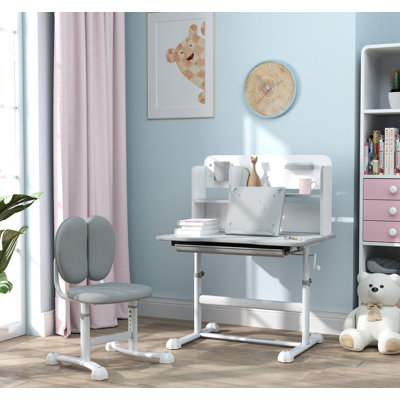
Desks usually come with built-in storage like drawers or shelves. This design allows you to keep your essentials close, reducing clutter on the surface. Unlike a regular table, a desk often has a dedicated space for a computer or writing.
The height and shape of desks are tailored for comfortable sitting and working. Some desks even have adjustable heights to suit standing or sitting positions. Think about how a desk supports your tasks rather than just holding items.
Common Uses
Desks are primarily used for work, study, or creative projects. You’ll find them in offices, schools, and homes where focused activities take place. Their design supports long hours of sitting with ergonomic considerations.
Have you noticed how a desk encourages productivity more than a dining table? That’s because it’s built for task-specific needs rather than general use. If you want a space that motivates you to work or create, a desk fits better than a table.

Credit: www.amazon.ca
Characteristics Of Tables
Tables have distinct features that set them apart from other furniture. They serve many roles and come in different shapes and sizes. Understanding their characteristics helps clarify if a desk is a type of table.
Variety And Purpose
Tables appear in many forms. Dining tables, coffee tables, and bedside tables each have unique uses. Some tables focus on eating, others on holding items or decoration. Their design fits their function, making them versatile pieces in homes and offices.
Material And Structure
Tables are made from various materials such as wood, metal, glass, or plastic. Each material affects the table’s look and strength. The structure often includes a flat top surface supported by legs or a base. This design provides stability and space for different activities.
Comparing Desks And Tables
Understanding the difference between a desk and a table helps you choose the right furniture for your space and tasks. Both pieces may look similar at a glance, but they serve distinct roles in your daily life. Let’s take a closer look at how their purpose and design set them apart.
Purpose And Usage Differences
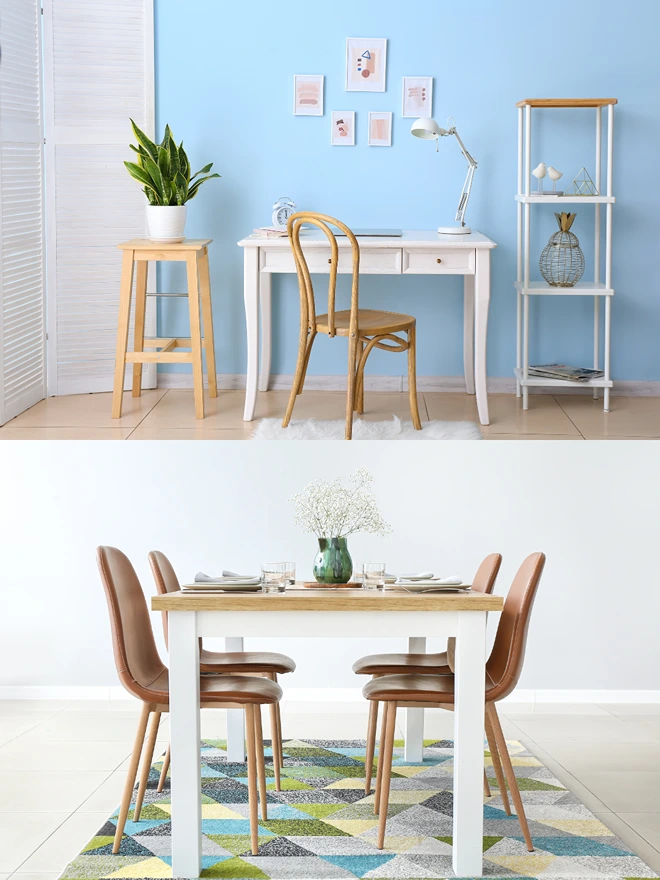
A desk is specifically designed for work or study. It often includes features to support productivity, like drawers or compartments for storing office supplies. You’ll find desks in offices, study rooms, or home workspaces where organization matters.
Tables, on the other hand, have a broader range of uses. They can serve as dining surfaces, meeting spots, or general-purpose furniture. You might use a table in a kitchen, living room, or outdoor area where flexibility is key.
Have you noticed how your desk feels more personal and tailored to your tasks, while tables invite shared activities and social interaction? That difference in usage influences how each piece is designed and arranged.
Design Variations
Desks often feature a compact design with built-in storage options. You might see keyboard trays, cable management systems, or adjustable heights to enhance comfort and efficiency. Materials tend to be sturdy but focused on functionality.
Tables come in a wider variety of shapes and sizes to fit diverse settings. Round, rectangular, or extendable designs are common, reflecting their social and multi-use nature. The choice of material often balances aesthetics and durability, like wood for warmth or metal for modern style.
- Desks:Storage compartments, ergonomic design, task-focused layout
- Tables:Versatile shapes, open design, adaptable for multiple users
Think about your own space—do you need a surface primarily for focused work or one that accommodates gatherings and meals? This question can guide you toward the right piece and prevent mismatched furniture choices.
Credit: www.level.com.au

Credit: www.level.com.au
Frequently Asked Questions
What Distinguishes A Desk From A Table?
A desk is designed mainly for work, featuring drawers and compartments. Tables serve various purposes like dining or display, typically without storage.
Can A Desk Be Classified As A Type Of Table?
Yes, a desk is a specialized type of table used for work or study, often with storage features.
Are Desks And Tables Made From The Same Materials?
Both desks and tables can be made from wood, metal, or glass. The choice depends on function and style preferences.
Do Desks Always Have Drawers Or Storage?
Most desks include drawers or storage for organization, unlike many tables which lack built-in storage options.
Conclusion
Desks and tables may look alike but serve different purposes. A desk is made for work or study, with drawers and space for tools. Tables often hold food or items for gathering. Both are flat surfaces, yet their design fits unique needs.
Choosing between them depends on what you want to do. Understanding these differences helps pick the right furniture. Simple but important. Now, you know a desk is not just any table.