Are you tired of your footstool sliding every time you try to relax? It’s frustrating when your footrest won’t stay put, making it hard to get comfortable.
But don’t worry—there are simple tricks you can use to keep your footstool firmly in place. You’ll discover easy, practical solutions that work fast. Keep reading, and you’ll never have to deal with a slipping footstool again.

Credit: www.amazon.ca
Common Causes Of Footstool Sliding
Footstools slide due to smooth floor surfaceslike tile or hardwood. Lack of gripon the stool’s legs or base also causes sliding. Some footstools have plastic or metal feetthat easily slip. Worn-out or missing rubber padsmake sliding worse.
Heavy footstools can move when pushed or leaned on. Uneven floor surfaces may cause the stool to wobble and slide. Dust or dirt under the stool’s feet reduces friction. Wet floors make sliding more likely and unsafe.
| Cause | Effect |
|---|---|
| Smooth floor surfaces | Less grip, more sliding |
| Plastic or metal feet | Easy to slip on floors |
| Missing rubber pads | Reduced friction, sliding |
| Worn-out pads | Less grip over time |
| Uneven floors | Wobbling, sliding |
| Dust or dirt | Lower friction |
| Wet floors | Increased slipping risk |
Simple Diy Fixes
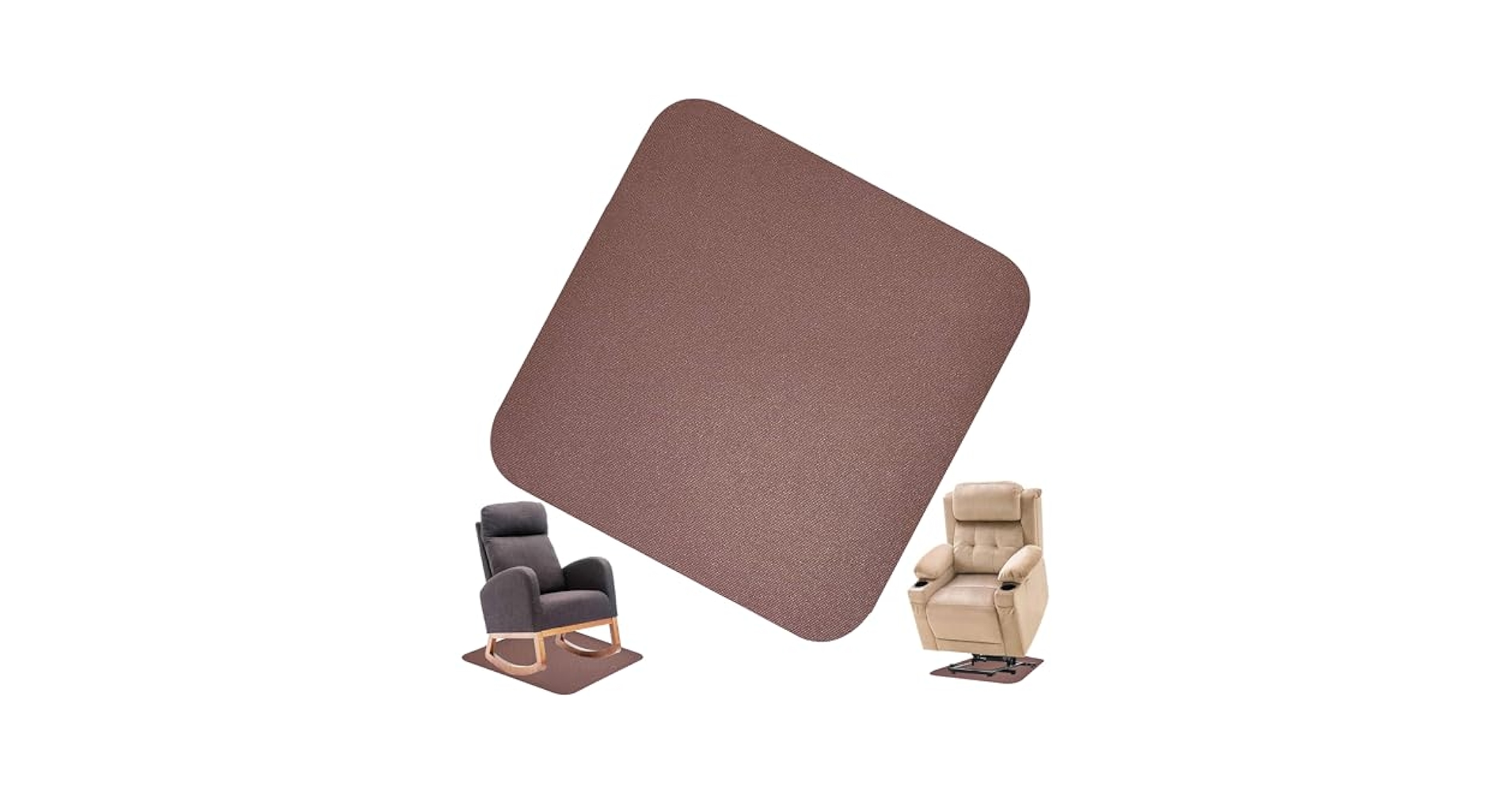
Rubber padsor non-slip matsunder the footstool legs help stop sliding. These pads create friction with the floor.
Double-sided tapesticks the footstool to the floor surface. It works well on smooth floors like tiles or wood.
Velcro stripsoffer a removable grip. Attach one side to the footstool and the other to the floor.
Placing a rug or carpetunder the footstool adds extra grip and prevents movement.
Ensure the floor and footstool legs are clean and dry. Dirt or moisture makes sliding easier.
Preventive Tips For Stability
Choose a footstool with rubber feetor non-slip pads. This helps it stay put on smooth floors. Place a grip matunder the footstool. It adds extra friction and stops sliding. Keep the floor clean and dry to avoid slipping. Avoid using footstools on wet or oily surfaces.
Check the footstool’s legs regularly. Replace worn-out pads with new ones. Use anti-slip tapeon the bottom of each leg for better grip. Position the footstool on flat, even surfaces only. Uneven floors increase the risk of sliding.
- Use a footstool with rubber or silicone tips
- Place a grip mat or rug underneath
- Clean floor and footstool legs often
- Replace worn pads or add anti-slip tape
- Set footstool on flat, dry surfaces

Credit: www.amazon.ca

Credit: www.amazon.ca
Frequently Asked Questions
How Can I Prevent My Footstool From Sliding On Hardwood Floors?
Place non-slip pads or rubber grips under the footstool legs. These create friction, stopping movement. Alternatively, use a non-slip rug or mat beneath the footstool to keep it stable.
What Materials Work Best To Stop Footstool Sliding?
Rubber, silicone, and felt pads work well. Rubber and silicone provide grip, while felt protects floors. Choose pads based on floor type and footstool weight for best results.
Can Double-sided Tape Stop A Footstool From Sliding?
Yes, double-sided tape can secure the footstool temporarily. It offers strong adhesion but may leave residue. Use tape suitable for floors to avoid damage.
Are There Diy Solutions To Prevent Footstool Sliding?
Yes, applying hot glue dots or using shelf liner strips under legs helps. These create grip and are affordable. Ensure they won’t damage your floor when removed.
Conclusion
Stopping footstool sliding ensures safety and comfort at home. Use non-slip pads for a quick fix. Consider rubber grips for added stability. They prevent unwanted movement. Check your floor’s surface. Smooth floors need extra grip. Adjust stool legs if needed.
Keep your footstool in place with these tips. Enjoy peace of mind and a secure sitting experience. A stable footstool means fewer accidents. Feel safer and more at ease. Small changes make a big difference. Your home becomes safer with these simple solutions.
Implement them today for a slide-free footstool.