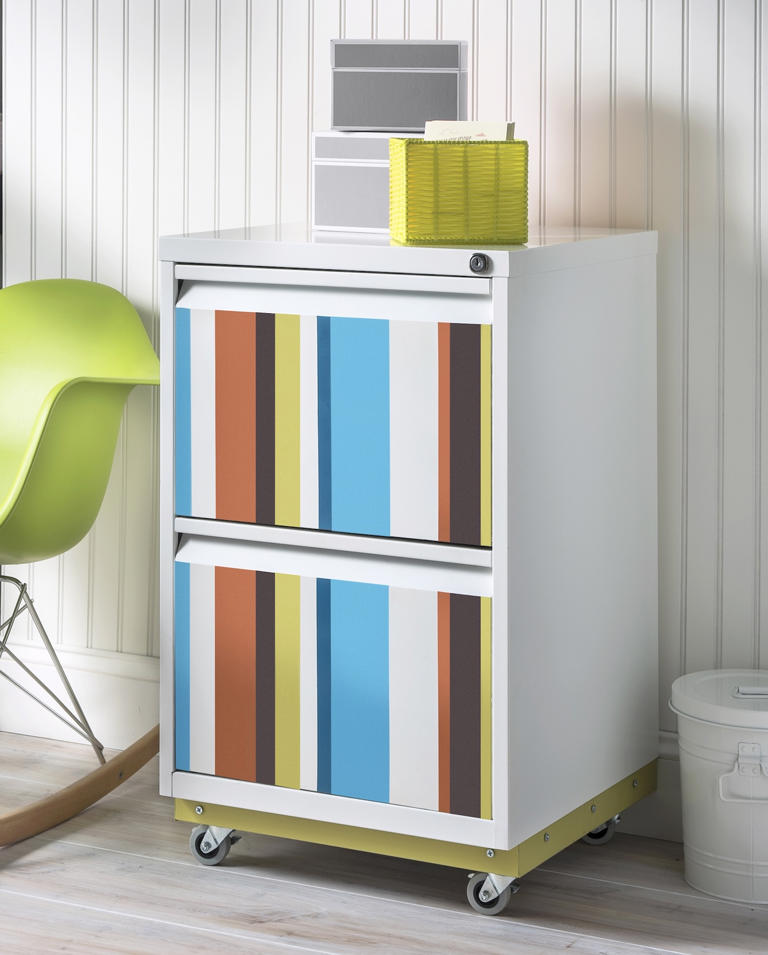
Is your metal filing cabinet looking dull or outdated? Painting it can give your workspace a fresh, stylish look without spending a fortune.
You might think painting metal is tricky, but with the right steps, you can achieve a smooth, lasting finish. In this guide, you’ll learn how to prepare your cabinet, choose the best paint, and apply it like a pro. By the end, your filing cabinet won’t just store your documents—it’ll brighten up your whole room.
Ready to transform your metal filing cabinet? Let’s dive in!
Credit: www.msn.com
Prepare The Surface
Painting a metal filing cabinet starts with good surface preparation. This step helps the paint stick well and last longer.
Cleaning, removing rust, and sanding make the cabinet smooth and ready for paint.
Clean The Cabinet
First, remove dirt, dust, and grease from the cabinet. Use warm soapy water and a sponge to wash the surface.
After washing, dry the cabinet with a clean cloth. This step prevents paint from peeling later.
Remove Rust And Old Paint
Check the cabinet for rust spots and peeling paint. Use a wire brush or scraper to remove loose material.
If rust is heavy, apply a rust remover following the product instructions. This stops rust from spreading under the paint.
Sand For Smoothness
Sand the entire cabinet using fine-grit sandpaper. Sanding creates a smooth surface and helps paint stick better.
After sanding, wipe the cabinet with a damp cloth to remove dust. Let it dry fully before painting.
Credit: paintingtips.net
Choose The Right Paint
Painting a metal filing cabinet can make it look new. The right paint choice is important for a smooth finish.
Here is how to select the best paint and tools for your project.
Select Suitable Paint Types
Metal needs paint that sticks well and lasts long. Choose paint made for metal surfaces.
- Oil-based paints offer durability
- Enamel paints provide a glossy finish
- Rust-inhibiting paints prevent corrosion
Pick The Best Primer
Primer helps paint stick to metal. It also covers old colors and rust spots.
Choose a primer that is designed for metal surfaces. This makes sure your cabinet looks great.
Gather Necessary Tools
Having the right tools makes painting easier and faster. Prepare your workspace with these items.
- Paintbrushes and rollers for smooth application
- Sandpaper for surface preparation
- Drop cloths to protect floors
- Painter’s tape for clean edges
- Safety gear like gloves and masks
Apply Primer And Paint
Painting a metal filing cabinet needs careful preparation and painting. Using the right primer and paint ensures a smooth, long-lasting finish.
This guide explains how to prime the metal, apply base coats evenly, and use multiple thin layers for the best result.
Prime The Metal Surface
Start by cleaning the metal surface to remove dust and grease. Use a degreaser or mild soap and water. Let it dry completely before priming.
Apply a metal primer to help the paint stick well and prevent rust. Use a brush or spray for an even coat.
- Wear gloves and work in a well-ventilated area.
- Shake the primer can before use.
- Apply a thin, even layer of primer.
- Allow the primer to dry as per instructions.
Apply Base Coats Evenly
After priming, apply the first base coat of paint. Make sure to spread the paint evenly to avoid drips and brush marks.
| Tip | Details |
| Use quality brushes | Choose brushes made for metal surfaces. |
| Paint in one direction | Brush or spray in smooth, consistent strokes. |
| Keep the paint wet | Work quickly to avoid uneven drying. |
| Check for missed spots | Look closely to cover all areas. |
Use Multiple Thin Layers
Instead of one thick coat, apply several thin layers. Thin coats dry faster and reduce drips or uneven texture.
- Let each layer dry fully before applying the next.
- Lightly sand between coats for smoothness.
- Apply at least two or three coats for full coverage.

Credit: www.seabeemarket.com
Finish And Maintain
Painting a metal filing cabinet is only part of the job. Finishing and maintaining the paint keeps it looking fresh and protects the metal.
This section explains how to add a protective topcoat, allow proper drying, and tips for a long-lasting finish.
Add Protective Topcoat
Apply a clear protective topcoat over the paint to seal it. This layer guards against scratches, rust, and wear from daily use.
Use a polyurethane or clear enamel spray for best results. Spray in thin, even layers to avoid drips.
Allow Proper Drying Time
Let each coat dry completely before applying the next one. Drying time depends on the paint and topcoat type.
| Material | Recommended Drying Time |
| Oil-based paint | 24 hours |
| Water-based paint | 1 hour |
| Polyurethane topcoat | 4 hours |
| Clear enamel topcoat | 2 hours |
Tips For Long-lasting Finish
- Clean the cabinet regularly with a soft cloth and mild detergent.
- Avoid harsh chemicals that can damage the finish.
- Touch up scratches quickly to prevent rust.
- Place the cabinet away from direct sunlight to stop fading.
- Use felt pads under objects to avoid scratching the surface.
Frequently Asked Questions
How Do I Prep A Metal Filing Cabinet For Painting?
Start by cleaning the cabinet with soap and water. Sand the surface to remove rust and old paint. Wipe it down with a damp cloth. Apply a metal primer to ensure paint adhesion and prevent rust.
What Type Of Paint Works Best On Metal Cabinets?
Use oil-based or spray paints designed for metal surfaces. These paints provide durability and a smooth finish. Avoid water-based paints as they may peel or chip quickly on metal.
Can I Paint A Metal Filing Cabinet Without Sanding?
Sanding is recommended to create a rough surface for paint to adhere. Skipping sanding may cause the paint to peel. If sanding isn’t possible, use a high-quality metal primer for better adhesion.
How Long Should I Wait Between Paint Coats?
Wait about 1 to 2 hours between coats. Drying time depends on paint type and room temperature. Ensure each coat is fully dry before applying the next for a smooth finish.
Conclusion
Painting a metal filing cabinet can refresh its look quickly. Clean the surface well to help the paint stick. Use a primer designed for metal to avoid rust. Apply paint evenly in thin coats for a smooth finish. Let each coat dry before adding the next one.
Take your time, and the cabinet will look like new. Small steps make a big difference in your project. Enjoy your freshly painted, organized space. Simple changes bring fresh energy to your room.