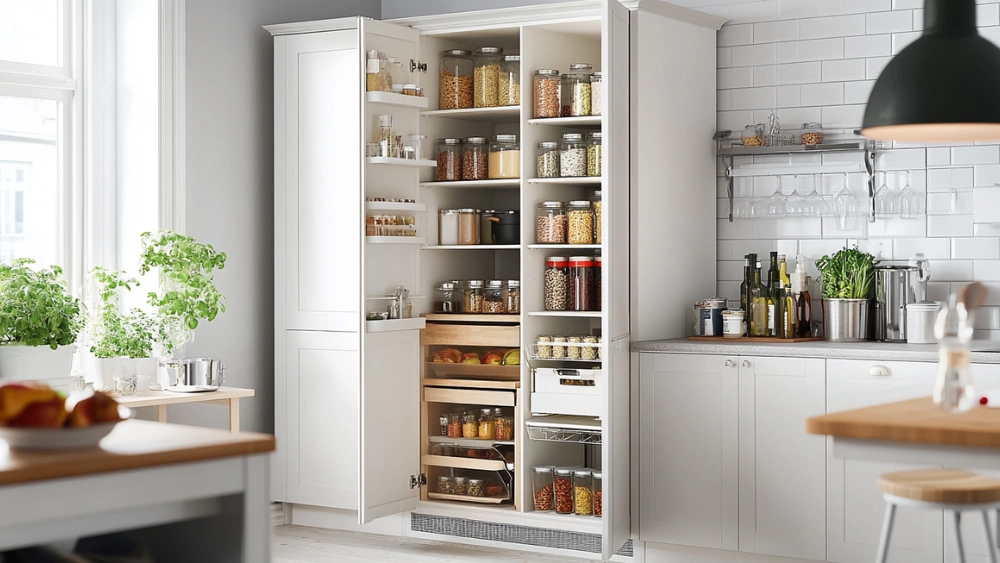
Imagine having a perfectly organized kitchen where every spice, snack, and can of soup has its own place. Doesn’t that sound like a dream?
With your very own pantry cabinets, this dream can become a reality. Building your own pantry cabinets isn’t just a fun project; it’s a game-changer for your kitchen space. You’ll save time searching for ingredients and make meal prep a breeze.
Plus, there’s something incredibly satisfying about knowing you created something so functional and beautiful. Ready to transform your kitchen into an organized haven? Let’s dive into the simple steps to make your very own pantry cabinets and revolutionize your culinary space.

Credit: www.youtube.com
Planning Your Pantry Cabinets
Planning your pantry cabinets is the foundation of creating a space that works perfectly for your kitchen needs. Thoughtful preparation saves you from costly mistakes and ensures your cabinets fit both your style and storage requirements. Taking time to plan lets you customize every detail, from materials to layout, so your pantry becomes a practical and attractive part of your home.
Choosing The Right Materials
Picking the right materials affects both the durability and appearance of your pantry cabinets. Solid wood offers strength and a classic look, but it can be expensive. MDF or plywood are budget-friendly alternatives that still provide good durability if properly finished.
Consider moisture resistance, especially if your kitchen tends to be humid. Laminates or melamine coatings are easy to clean and protect against stains. Ask yourself: do you want a natural wood grain or a smooth, painted finish? Your choice here sets the tone for the entire pantry.
Measuring Your Space
Accurate measurements are critical to avoid gaps or overcrowding. Measure the height, width, and depth of your pantry area carefully, noting any obstructions like light switches or outlets. Don’t forget to measure door clearances and how much space you need for movement.
It helps to sketch your pantry space and mark all measurements clearly. Double-check these numbers before ordering materials or cabinets. Have you checked how your measurements compare to standard cabinet sizes? Custom sizes might be necessary for a perfect fit.
Designing For Functionality
Your pantry should make accessing and organizing items effortless. Think about the types of food and kitchen tools you store most often. Adding adjustable shelves lets you change the space as your needs evolve.
Include pull-out drawers or baskets for smaller items and deep shelves for bulk goods. Lighting inside the pantry can make a big difference—consider LED strips for visibility. What frustrates you most about your current pantry setup? Designing with those pain points in mind will help you create a truly functional space.

Credit: www.youtube.com
Building The Cabinets
Building pantry cabinets requires patience and careful planning. It involves cutting wood precisely, assembling the frame, and adding shelves and doors. Each step shapes the final cabinet’s strength and appearance.
Cutting And Preparing Wood
Start with quality wood. Measure all parts based on your design. Use a saw to cut the wood accurately. Sand the edges to smooth rough surfaces. This helps the pieces fit well and look neat.
Assembling The Frame
Join the cut wood pieces to form the cabinet frame. Use wood glue and screws for a strong bond. Check that corners are square using a carpenter’s square. Clamp the frame and let the glue dry completely before moving on.
Installing Shelves And Doors
Measure and mark where shelves will go inside the frame. Secure shelves with brackets or screws. Attach hinges to the cabinet doors. Align the doors with the frame and fasten hinges tightly. Test doors for smooth opening and closing.
Finishing Touches
Finishing touches bring your pantry cabinets to life. They protect the wood and add style. Small details improve the cabinet’s look and function. Each step enhances your project’s quality and usability.
Sanding And Painting
Sanding smooths the surface, removing rough spots and splinters. Use fine-grit sandpaper for a clean finish. Wipe away dust with a damp cloth before painting. Choose paint that suits your kitchen’s style and moisture level. Apply thin, even coats for the best result. Let each coat dry completely before adding another.
Adding Hardware
Hardware gives cabinets character and makes them easier to use. Pick handles or knobs that match your kitchen’s theme. Measure carefully to place hardware evenly. Secure screws tightly to avoid loose fittings. Test doors and drawers to ensure smooth opening and closing. Small hardware changes can refresh your pantry’s look instantly.
Organizing Your Pantry
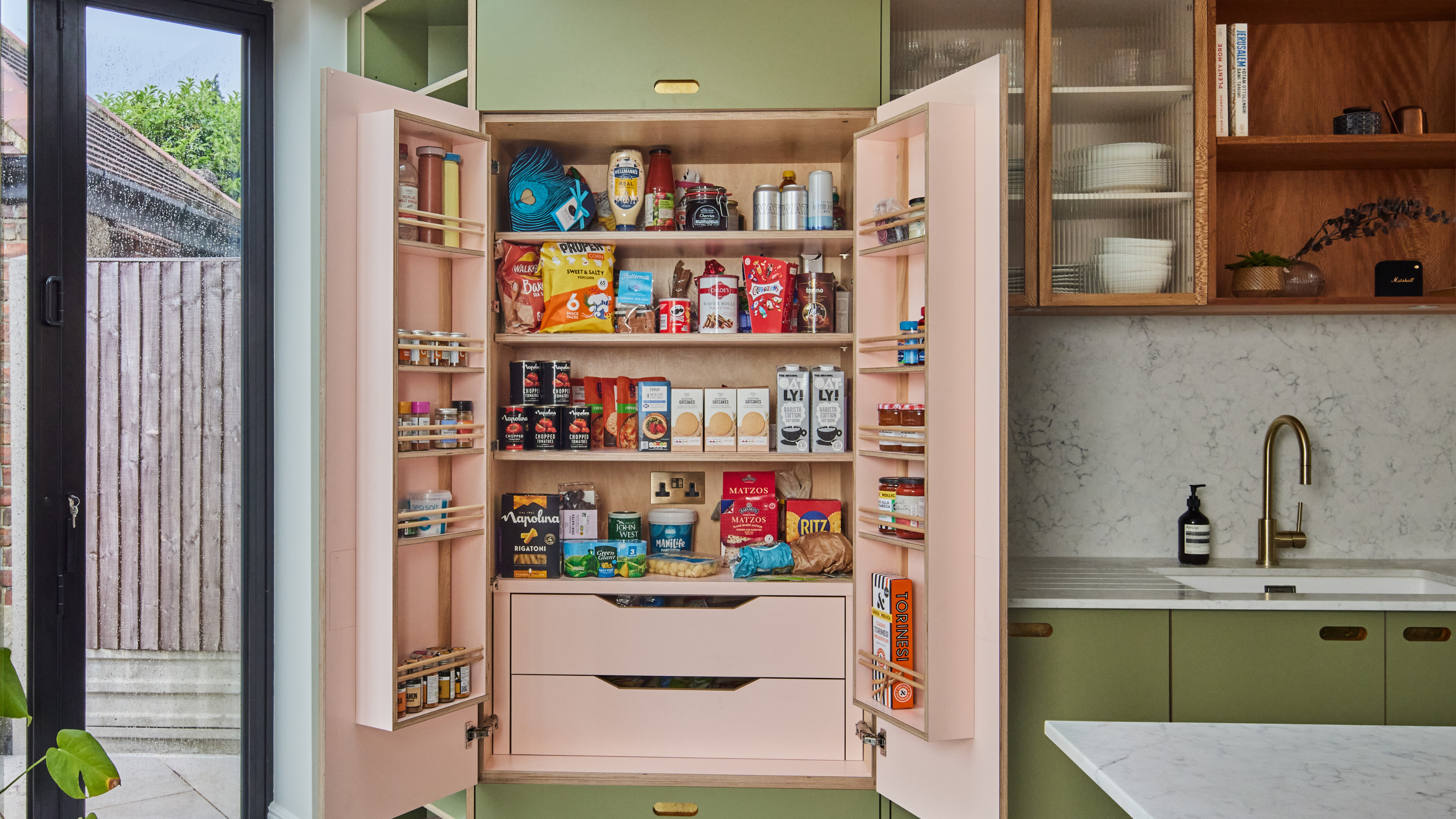
Organizing makes your pantry more functional and tidy. Use clear containers to see contents easily. Group similar items together for quick access. Install shelves or racks to maximize space. Label containers or shelves for easy identification. Keep frequently used items within reach. A well-organized pantry saves time and reduces waste.
Credit: www.livingetc.com
Frequently Asked Questions
What Materials Are Best For Pantry Cabinets?
Wood, plywood, and MDF are popular choices for pantry cabinets. Wood offers durability and a classic look. Plywood is strong and moisture-resistant. MDF is cost-effective and smooth for painting. Choose based on budget, style, and durability needs.
How Do I Measure Space For Pantry Cabinets?
Measure the width, height, and depth of the available space. Allow extra room for cabinet doors to open fully. Consider ceiling height and nearby appliances. Accurate measurements ensure a perfect fit and efficient storage.
What Tools Are Needed To Build Pantry Cabinets?
Essential tools include a saw, drill, screwdriver, measuring tape, and level. Clamps and a sander also help with assembly and finishing. Having the right tools makes the process smoother and more precise.
How Can I Maximize Pantry Cabinet Storage?
Use adjustable shelves, pull-out baskets, and door racks. Organize items by category and frequency of use. Clear containers and labels keep everything visible. These methods improve accessibility and space efficiency.
Conclusion
Creating pantry cabinets can improve your kitchen’s storage and look. Start with clear plans and simple tools. Choose materials that fit your budget and style. Take your time to measure and cut carefully. Assembly goes smoothly with patience and focus.
You can add shelves or drawers for better use. Regularly organizing your pantry keeps it neat and easy to use. Enjoy the satisfaction of a well-made, practical cabinet. Small efforts lead to big improvements in your kitchen space.