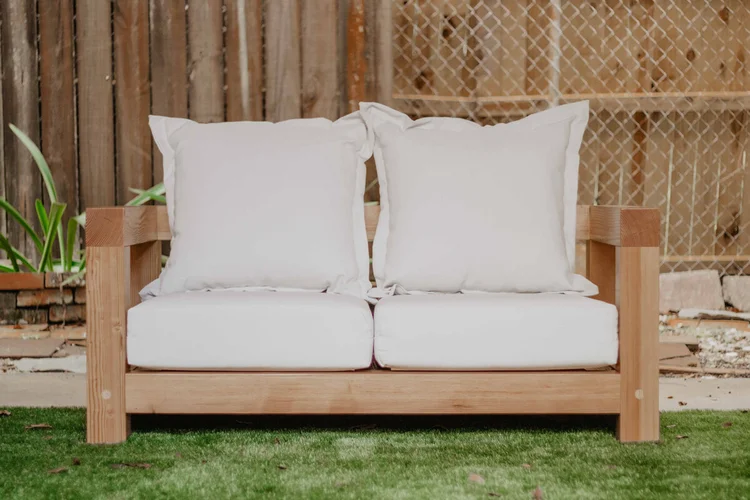
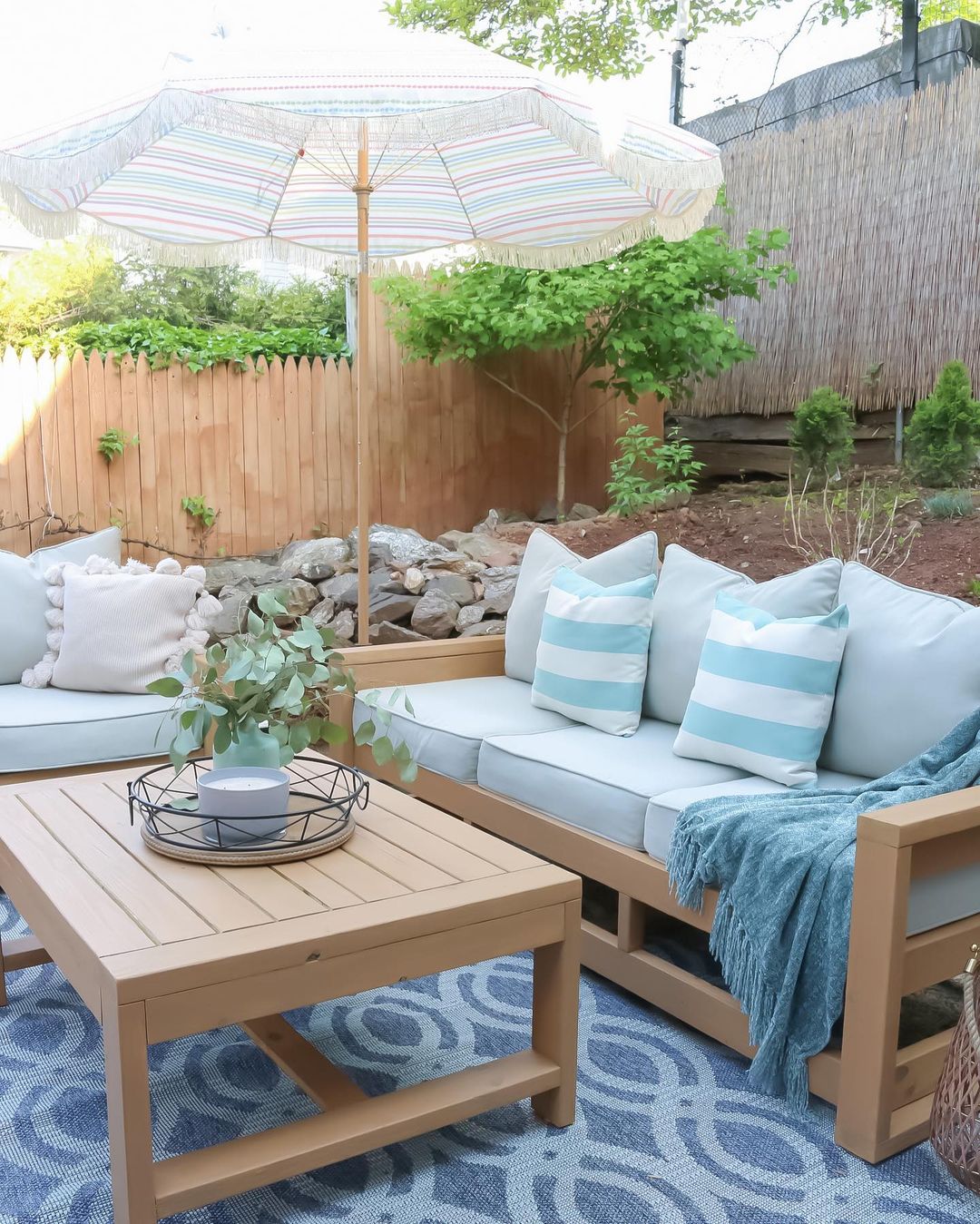
Imagine stepping into your backyard and feeling a sense of comfort and style, all thanks to the perfect outdoor sofa cushions you crafted yourself. These cushions not only enhance the aesthetics of your outdoor space but also provide that cozy spot for relaxation.
You might think creating your own outdoor sofa cushions is a daunting task, but it’s easier than you think. With a few materials and some simple steps, you can transform your outdoor area into a personal oasis. Are you ready to add a touch of your personality to your outdoor furniture and enjoy the satisfaction of a DIY project well done?
Keep reading to discover how you can make outdoor sofa cushions that are both beautiful and durable, ensuring your outdoor gatherings are always a hit.
Credit: www.woodbrew.tv
Choosing The Right Materials
Choosing the right materials is key to making durable and comfortable outdoor sofa cushions. Materials must resist weather, moisture, and sun. They also need to feel soft and look good. Picking the proper fabrics, foam, and supplies ensures your cushions last long and stay cozy.
Selecting Outdoor Fabrics
Outdoor fabrics should be strong and water-resistant. Look for fabrics labeled as UV-resistant or waterproof. Common choices include:
- Acrylic: Fades less in sunlight and dries quickly.
- Olefin: Resistant to stains, mildew, and moisture.
- Polyester: Durable and easy to clean.
Choose colors that suit your outdoor space. Dark colors hide dirt better. Light colors stay cool under the sun.
Picking Foam And Filling
Foam must stay firm and dry after rain. Outdoor foam types include:
- Reticulated foam: Open cells let water drain fast.
- High-density foam: Holds shape and provides support.
- Polyethylene foam: Lightweight and water-resistant.
Consider adding polyester fiberfill for extra softness. It helps the cushion keep its shape and adds comfort.
Essential Tools And Supplies
Gathering the right tools makes the process easier and neater. Needed supplies include:
- Heavy-duty sewing machine or upholstery needle.
- Outdoor thread that resists UV and moisture.
- Measuring tape and fabric scissors.
- Staple gun and staples for securing fabric.
- Chalk or fabric marker for cutting guides.
Cutting And Sewing Cushions
Cutting and sewing cushions is an important part of making outdoor sofa cushions. Precise cutting and sewing ensure the cushions fit well and last long. Using the right tools and materials makes the process easier and more enjoyable.
Measuring And Cutting Fabric
Start by measuring your sofa cushions carefully. Measure the length, width, and thickness of each cushion. Add extra fabric for seams and hems—usually about 1 to 2 inches on each side. Use a fabric marker and ruler to mark the measurements on the fabric. Cut the fabric pieces smoothly with sharp fabric scissors. Cut two pieces for each cushion cover—front and back.
Sewing Cushion Covers
Place the two fabric pieces together with the right sides facing each other. Pin the edges to hold them in place. Sew around the edges using a straight stitch, leaving one side open for stuffing or inserting the cushion. Use a sewing machine for neat and strong seams. Reinforce corners with backstitching to prevent fraying.
Adding Zippers Or Fasteners
Zippers and fasteners make cushions easy to remove and clean. Choose a zipper that matches the cushion size and fabric color. Sew the zipper carefully along the open edge. Alternatively, use Velcro strips or buttons for easy closure. Secure the fasteners firmly to handle outdoor use. Test the zipper or fastener to ensure it works smoothly.
Finishing Touches And Care
Finishing touches and proper care can make all the difference in how your outdoor sofa cushions look and feel over time. Paying attention to details like stuffing, waterproofing, and cleaning ensures your cushions stay comfortable and durable. Let’s dive into these essential steps to keep your outdoor cushions inviting and long-lasting.
Stuffing And Shaping Cushions
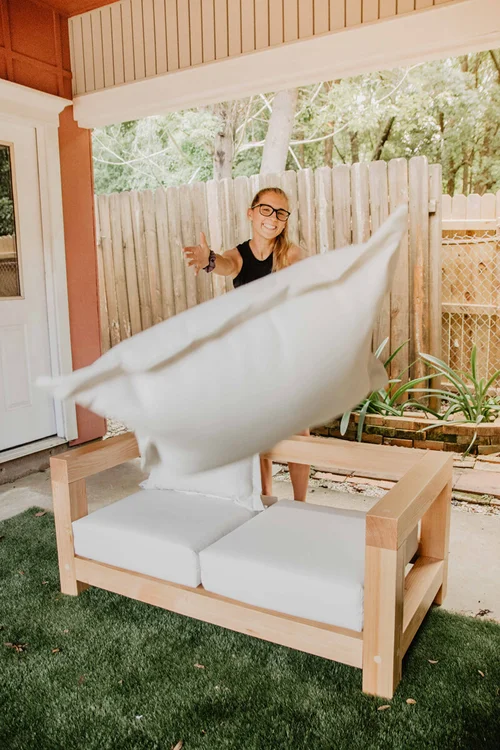
Choosing the right stuffing is key to achieving both comfort and shape. Foam offers firm support, while polyester fiberfill gives a softer, fluffier feel. You can even combine materials—for example, a foam core wrapped in fiberfill creates a cushion that holds shape but feels plush.
After stuffing, shape your cushion by gently pressing and smoothing the material inside the cover. This avoids lumps and helps the cushion keep a clean, even appearance. Have you noticed how some cushions quickly lose their shape? Proper stuffing prevents that and extends the cushion’s life.
Waterproofing Tips
Outdoor cushions face weather elements, so waterproofing protects your hard work. Spray-on waterproofing sprays designed for fabric are easy to apply and offer good protection against rain and spills. Make sure to apply in a well-ventilated area and allow the cushion to dry completely before use.
Consider adding a removable, waterproof cover for extra defense. This gives you the option to wash the outer layer without exposing the stuffing to moisture. How often do you check your cushions for water damage? Regular inspection helps catch issues early.
Cleaning And Maintenance
Keeping your cushions clean preserves their appearance and hygiene. Start with regular vacuuming or brushing to remove dirt and debris. Spot clean stains promptly using mild soap and water to avoid permanent marks.
If your cushion covers are removable and washable, follow the care label instructions carefully. Avoid harsh detergents and high heat drying to prevent fabric damage. Storing cushions indoors during harsh weather also prolongs their life and keeps them fresh.
Credit: www.woodbrew.tv
Credit: www.extraspace.com
Frequently Asked Questions
What Materials Are Best For Outdoor Sofa Cushions?
Choose weather-resistant fabrics like Sunbrella or acrylic for durability. Use quick-drying foam for comfort and mold prevention. These materials withstand sun, rain, and mildew, ensuring long-lasting outdoor cushions.
How Do I Make Outdoor Cushions Water-resistant?
Use water-repellent fabric and apply a waterproof spray. Incorporate quick-drying, foam inserts to prevent moisture retention. This combination protects cushions from rain and humidity effectively.
Can I Sew Outdoor Sofa Cushions At Home?
Yes, with basic sewing skills and a heavy-duty machine. Use outdoor fabric and foam cut to size. Follow simple patterns for cushion covers and insert foam before stitching.
How Often Should I Clean Outdoor Sofa Cushions?
Clean cushions every 1-2 months or after heavy use. Use mild soap, water, and a soft brush. Rinse thoroughly and air dry completely to prevent mold and stains.
Conclusion
Making outdoor sofa cushions can be simple and fun. Choose the right fabric to keep cushions dry and strong. Cut and sew carefully for a neat look. Add filling that feels soft but holds shape well. Take your time and enjoy the process.
Your outdoor space will look cozy and inviting. These cushions last long and bring comfort outside. Try making your own cushions to fit your style. You will feel proud of your handiwork. A little effort makes a big difference.