Is your sectional sofa showing signs of wear or suddenly feeling less comfortable? You don’t have to live with loose cushions, squeaky frames, or stubborn stains any longer.
Fixing your sectional sofa might seem tricky, but with the right tips, you can bring it back to life without spending a fortune. Keep reading, and you’ll discover simple, practical steps that will save your sofa—and your wallet. Ready to make your favorite seating spot feel like new again?
Let’s get started!
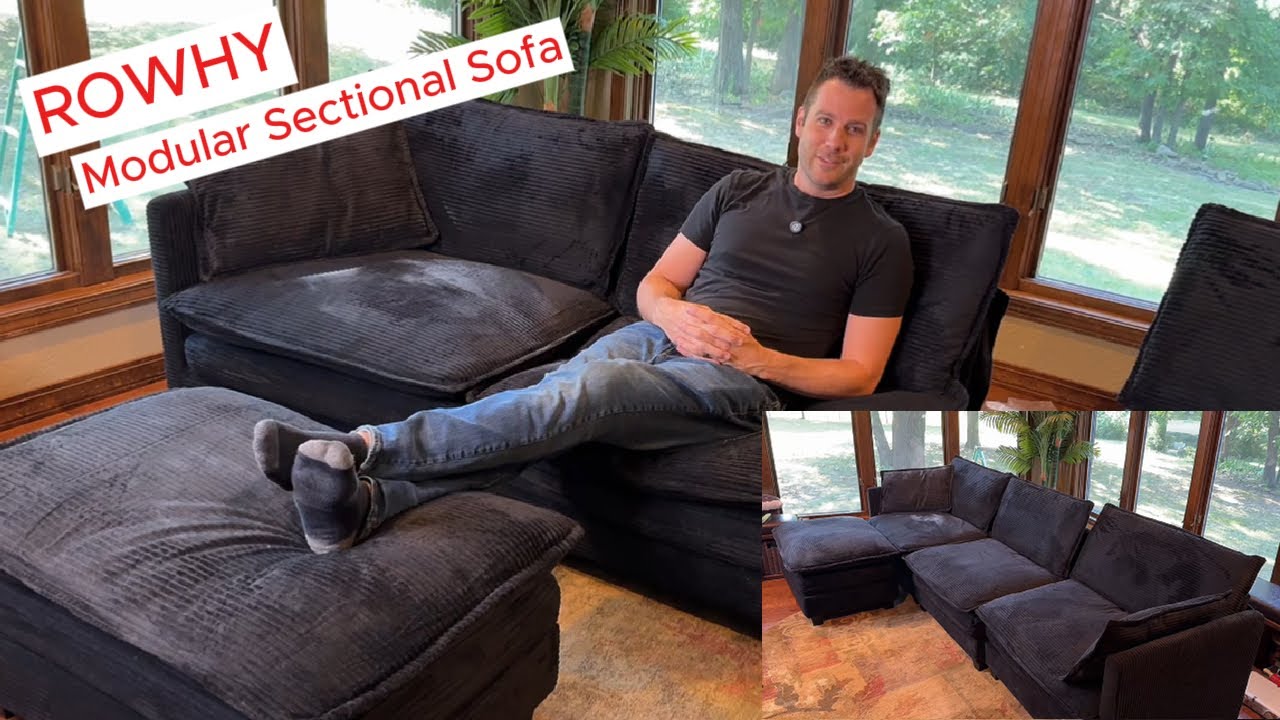
Credit: www.youtube.com
Common Sectional Sofa Problems
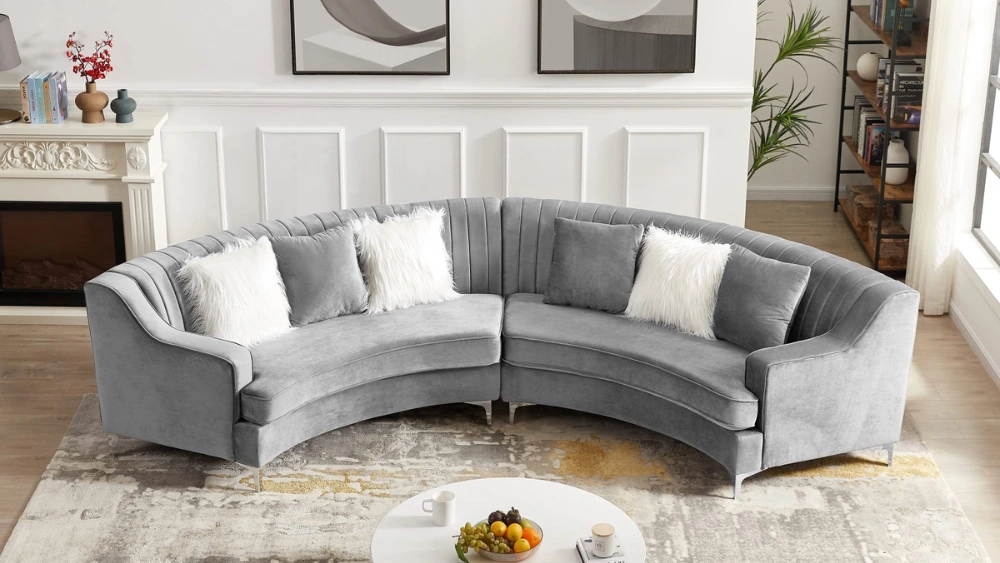
Sectional sofas are great for seating many people comfortably. Over time, they can face some common problems. These problems can affect how the sofa looks and feels.
Fixing these issues can make your sofa last longer. Let’s look at some common problems and how to fix them.
Loose Joints And Frames
Loose joints and frames make your sofa wobbly. This happens when screws or glue weaken over time. It can cause parts of the sofa to move or creak.
To fix loose joints, tighten screws or bolts. Use wood glue for wooden frames if needed. Let the glue dry completely before using the sofa again.
- Check all screws and bolts regularly
- Use a screwdriver or wrench to tighten them
- Apply wood glue on loose wooden joints
- Clamp glued parts until dry
Torn Upholstery
Torn upholstery makes your sofa look old and worn. Small tears can grow bigger if you don’t fix them soon. The tear may be on fabric or leather parts.
You can sew small tears by hand with a needle and strong thread. For bigger tears, use a fabric patch or buy upholstery repair kits. Match the patch color to your sofa.
- Clean the torn area before fixing
- Sew small tears with tight stitches
- Use patches for larger holes
- Try upholstery glue for leather tears
Sagging Cushions
Sagging cushions lose their shape and comfort. This happens when the foam inside gets old or compressed. Cushions may feel flat or soft in some spots.
To fix sagging cushions, replace the foam inside. You can buy new foam cut to the right size. Fluff cushions often to keep their shape longer.
- Remove old foam from cushion covers
- Buy high-density foam for better support
- Cut foam to fit cushion size
- Fluff cushions regularly to maintain shape
Broken Legs Or Feet
Broken legs or feet make the sofa unstable. They can crack or break from heavy use or accidents. This problem can cause the sofa to lean or wobble.
Fix broken legs by tightening screws or replacing parts. You can buy new legs online or from furniture stores. Use wood glue for small cracks and clamp until dry.
- Inspect legs for cracks or loose screws
- Tighten all screws holding the legs
- Apply wood glue to small cracks and clamp
- Replace legs if they are badly broken

Credit: www.reddit.com
Tools And Materials Needed
Fixing a sectional sofa requires the right tools and materials. Using proper supplies will make repairs easier and last longer.
This guide covers basic tools, fabric supplies, and adhesives to help you repair your sectional sofa effectively.
Basic Repair Tools
You need simple hand tools for most sectional sofa repairs. These help you remove parts, tighten screws, and adjust frames.
- Screwdrivers (flathead and Phillips)
- Pliers
- Hammer
- Staple remover
- Measuring tape
- Utility knife
- Allen wrench set
Fabric And Upholstery Supplies
For fabric repairs, choose supplies that match your sofa’s material and color. These items help fix tears and worn areas.
| Supply | Purpose |
| Upholstery fabric | Patch holes or replace worn areas |
| Fabric scissors | Cut fabric cleanly |
| Upholstery needles | Sew fabric pieces together |
| Thread (strong, color-matched) | Secure stitching |
| Fabric glue | Bond fabric without sewing |
| Foam padding | Replace old cushioning |
| Upholstery tack strips | Hold fabric tight on frame |
Adhesives And Fasteners
Strong adhesives and fasteners keep sofa parts secure. Use the right type for wood, fabric, or metal parts.
- Wood glue for frame repairs
- Spray adhesive for foam and fabric
- Staples and staple gun
- Wood screws
- Nails and hammer
- Velcro strips for removable cushions
Fixing Structural Issues
Sectional sofas can become loose or unstable over time. Fixing structural issues helps keep your sofa safe and comfortable. This guide covers key repairs for common problems.
Focus on tightening joints, repairing legs, and securing loose sections. These fixes restore stability and extend the life of your sofa.
Tightening And Reinforcing Joints
Loose joints make your sofa wobbly. Tighten screws or bolts using a screwdriver or wrench. If joints are glued, check for cracks and add wood glue. Clamp the parts until dry for a strong hold.
- Remove any loose screws or nails
- Apply wood glue to cracked joints
- Tighten all screws and bolts firmly
- Use corner braces for extra support
- Let glue dry before using the sofa
Repairing Or Replacing Legs
Wobbly or broken legs affect comfort and safety. Check legs for cracks or looseness. Replace broken legs or reinforce loose ones by tightening screws or adding wood glue. Use furniture pads to protect floors.
| Issue | Fix |
| Loose leg | Tighten screws or bolts |
| Cracked leg | Replace with new leg |
| Worn leg tip | Replace tip or add furniture pad |
| Missing leg | Buy and install a matching leg |
Securing Loose Sections
Loose sections slide apart and feel unstable. Check connectors or clips between sections. Tighten or replace damaged connectors. Use brackets or straps to hold sections tightly together.
Try this simple fix for loose sections:
- Pull the sections apart gently.
- Inspect connectors for damage.
- Tighten screws or replace broken clips.
- Attach metal brackets under the sofa for extra hold.
- Push sections back together firmly.

Credit: www.youtube.com
Restoring Upholstery And Cushions
Sectional sofas can wear out from daily use. Fixing them helps keep your sofa comfortable and nice. Focus on upholstery and cushions to restore your sofa’s look and feel.
Small repairs and cleaning can make a big difference. Learn simple ways to patch tears, refill cushions, and clean fabric.
Patching Tears And Holes
Tears and holes in upholstery can get worse if left alone. Fix them quickly to stop damage. Use fabric patches or glue for small holes.
For larger tears, sew the edges together using a needle and thread. Match the thread color to the fabric. Use a strong stitch to hold the fabric well.
- Clean the area around the tear first
- Cut a fabric patch slightly bigger than the hole
- Use fabric glue or iron-on patches for small holes
- Sew larger tears with a strong, matching thread
- Press the patch flat and let glue dry fully
Refilling And Fluffing Cushions
Cushions lose shape and comfort over time. Refilling them brings back support and softness. Use foam pieces or polyester fiberfill to refill cushions.
Fluff cushions daily to keep them full. Shake and beat them gently to redistribute the filling. This helps prevent lumps and flat spots.
- Open the cushion cover carefully
- Add foam or fiberfill to fill empty spaces
- Distribute filling evenly inside the cushion
- Close the cover securely after refilling
- Fluff cushions every day to maintain shape
Cleaning And Maintaining Fabric
Keep your sofa fabric clean to extend its life. Vacuum regularly to remove dust and dirt. Spot clean spills as soon as they happen.
Use mild soap and water for cleaning most fabrics. Test cleaning solutions on a hidden area first. Avoid harsh chemicals that can damage fabric.
- Vacuum weekly using a soft brush attachment
- Blot spills immediately with a clean cloth
- Use mild soap mixed with water for stains
- Test cleaners on a hidden spot first
- Avoid soaking fabric to prevent damage
Frequently Asked Questions
How Do I Fix A Sagging Sectional Sofa Cushion?
To fix sagging cushions, rotate and flip them regularly. Add foam inserts or replace old padding. Support cushions with plywood underneath if needed. This restores firmness and prolongs cushion life efficiently.
What Tools Are Needed To Repair A Sectional Sofa Frame?
Common tools include a screwdriver, hammer, wood glue, clamps, and replacement screws or brackets. These help tighten joints and fix broken parts. Proper tools ensure a stable and durable sofa frame.
How Can I Repair Torn Sectional Sofa Fabric?
Use fabric glue or iron-on patches for small tears. For larger damage, sew or replace the fabric panel. Matching the fabric color and texture maintains your sofa’s appearance.
Why Is My Sectional Sofa Squeaking And How To Stop It?
Squeaks often come from loose joints or springs. Tighten screws and bolts, apply lubricant to springs, and check frame stability. This reduces noise and improves comfort.
Conclusion
Fixing a sectional sofa is easier than it seems. Small repairs can save money and extend its life. Use the right tools and follow simple steps carefully. Take your time and work patiently for best results. A well-maintained sofa stays comfortable and looks good longer.
Enjoy your cozy space with a sofa that feels like new. Keep these tips in mind for future fixes too. You can handle minor problems without stress. Stay confident and take pride in your handiwork.