Are you tired of cluttered closets that never seem to have enough space? Imagine having a custom storage solution that fits your room perfectly—without spending a fortune or calling a professional.
Building a free-standing closet system is easier than you think, and it gives you full control over how your clothes and accessories are organized. In this guide, you’ll learn simple steps to create a sturdy, stylish closet system tailored just for you.
Ready to transform your space and make getting dressed a breeze? Keep reading to discover how you can build your own free-standing closet system today.
:max_bytes(150000):strip_icc()/spr-closetmaid-suitesymphony-closet-system-art-silverio-17-d691178a88004c30bf686b22d61c6202.jpeg)
Credit: www.thespruce.com
Planning Your Closet System
Building a free-standing closet system starts with careful planning. You need to think about space, materials, and how you want to design it.
Good planning helps you create a closet that fits your needs and looks great in your home.
Measuring Your Space
Measure the area where you want to place your closet system. Use a tape measure to get the width, height, and depth. Note any obstacles like doors or vents.
- Measure the width from wall to wall
- Check the height from floor to ceiling
- Note any windows, doors, or vents
- Draw a simple sketch with your measurements
Choosing Materials
Select materials that match your budget and style. Think about durability and how easy the materials are to work with.
| Material | Pros | Cons |
| Wood | Strong and classic | Can be heavy and expensive |
| Metal | Durable and modern | May rust if not treated |
| Plastic | Light and cheap | Less sturdy and can look cheap |
| Wire | Good for ventilation | Limited weight capacity |
Designing Layout
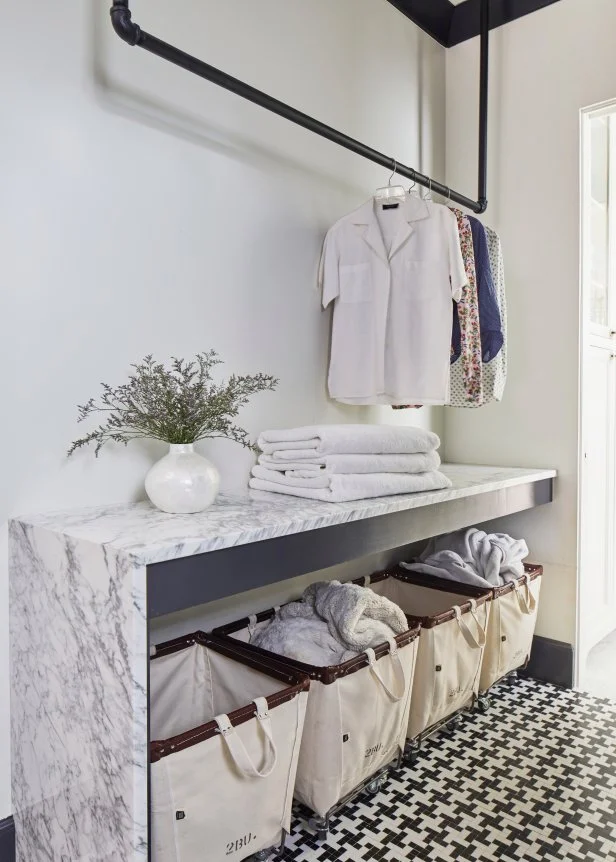
Plan where shelves, rods, and drawers will go. Think about how you use your clothes and what items need the most space.
- Place hanging rods for shirts and dresses
- Include shelves for folded clothes
- Add drawers for small items
- Leave space for shoes or accessories

Credit: creativefashionblog.com
Gathering Tools And Supplies
Building a free-standing closet system can be a fun project. To get started, you need the right tools and supplies. This guide will help you gather everything you need.
Proper preparation ensures your project runs smoothly. Let’s look at the essential tools, hardware, and workspace setup.
Essential Tools List
Having the right tools is important for any building project. Gather these tools before you start.
- Measuring tape
- Screwdriver set
- Hammer
- Drill with drill bits
- Level
- Saw
- Safety glasses
Selecting Hardware
The right hardware holds your closet system together. Choose quality pieces for durability and stability.
- Screws
- Brackets
- Hinges
- Closet rods
- Shelves
- Wall anchors
Preparing Workspace
A clean, organized workspace makes the project easier. Ensure you have enough space to work comfortably.
Lay down a drop cloth to protect floors. Arrange your tools so they are easy to reach. Good lighting helps you see details clearly.
- Clear the area of clutter
- Ensure proper lighting
- Have a power source nearby
Step-by-step Assembly
Building a free-standing closet system can help you organize your space. This guide shows how to assemble it step by step.
Follow these steps carefully to create a sturdy and functional closet system. Each part is important for the overall build.
Building The Frame
Start by laying out all frame parts on a flat surface. Check that you have all pieces before you begin.
Connect the vertical and horizontal supports using screws or bolts. Make sure all corners are square and tight.
- Place vertical supports upright
- Attach horizontal supports at top and bottom
- Use a level to check alignment
- Tighten all fasteners securely
Installing Shelves And Rods
Decide where you want shelves and rods inside the frame. Measure and mark the spots for even spacing.
Attach shelf brackets or supports first. Then place shelves on them and secure if needed. Install rods using the rod holders.
- Mark shelf heights on vertical supports
- Install brackets at marked points
- Set shelves on brackets and check stability
- Place rods between holders and secure
Securing The Structure
Check the entire closet for stability. Tighten all screws and bolts again to keep it firm.
If needed, use wall anchors or braces to prevent tipping. This is important for safety and durability.
- Double-check all fasteners
- Add wall anchors if near a wall
- Use corner braces for extra support
- Test by gently pushing the structure
Finishing Touches And Maintenance
Building a free-standing closet system is rewarding. Adding finishing touches improves its look and durability. Regular care keeps it neat and lasting longer.
This guide covers painting and sealing, organizing tips, and routine upkeep. Follow these steps to keep your closet system functional and stylish.
Painting And Sealing
Paint protects wood and gives your closet a clean look. Choose paint made for wood surfaces. Seal it to stop moisture and stains.
- Sand surfaces smooth before painting.
- Apply a primer for better paint grip.
- Use two thin coats of paint for even coverage.
- Finish with a clear sealant for protection.
- Let each coat dry fully before next step.
Organizing Tips
Organizing your closet system helps save space. Use shelves, hooks, and bins to keep items tidy. Label bins for easy finding.
| Storage Item | Use | Tip |
| Shelves | Folded clothes | Place heavy items on lower shelves |
| Hooks | Belts, scarves | Install at eye level for easy access |
| Bins | Small accessories | Label each bin clearly |
Routine Upkeep
Routine upkeep keeps your closet system neat and strong. Clean it often to avoid dust and damage. Fix small problems before they grow.
- Dust shelves and corners weekly.
- Check for loose screws or parts monthly.
- Wipe spills immediately to prevent stains.
- Reapply sealant every year to protect surfaces.
- Rearrange items seasonally to keep space efficient.
Credit: www.hgtv.com
Frequently Asked Questions
What Materials Do I Need For A Free-standing Closet System?
You need wood or metal panels, screws, brackets, shelves, and a measuring tape. Choose sturdy materials for durability and stability.
How Do I Measure Space For A Free-standing Closet?
Measure width, height, and depth of your area. Accurate measurements ensure the closet fits perfectly and uses space efficiently.
Can I Build A Free-standing Closet Without Professional Help?
Yes, with basic DIY skills and tools, you can build it. Follow step-by-step guides and safety precautions for best results.
What Are The Best Design Ideas For Free-standing Closets?
Use modular shelves, adjustable rods, and storage bins. Customize based on your needs and room style for functionality and aesthetics.
Conclusion
Building a free-standing closet system is simple and practical. Choose the right materials and tools before you start. Measure your space carefully to fit your needs. Assemble each part step by step, keeping it sturdy and balanced. Personalize with shelves, rods, or baskets for better storage.
This project saves money and gives you control over design. Enjoy a neat, organized space with your new closet system. Small effort. Big difference.