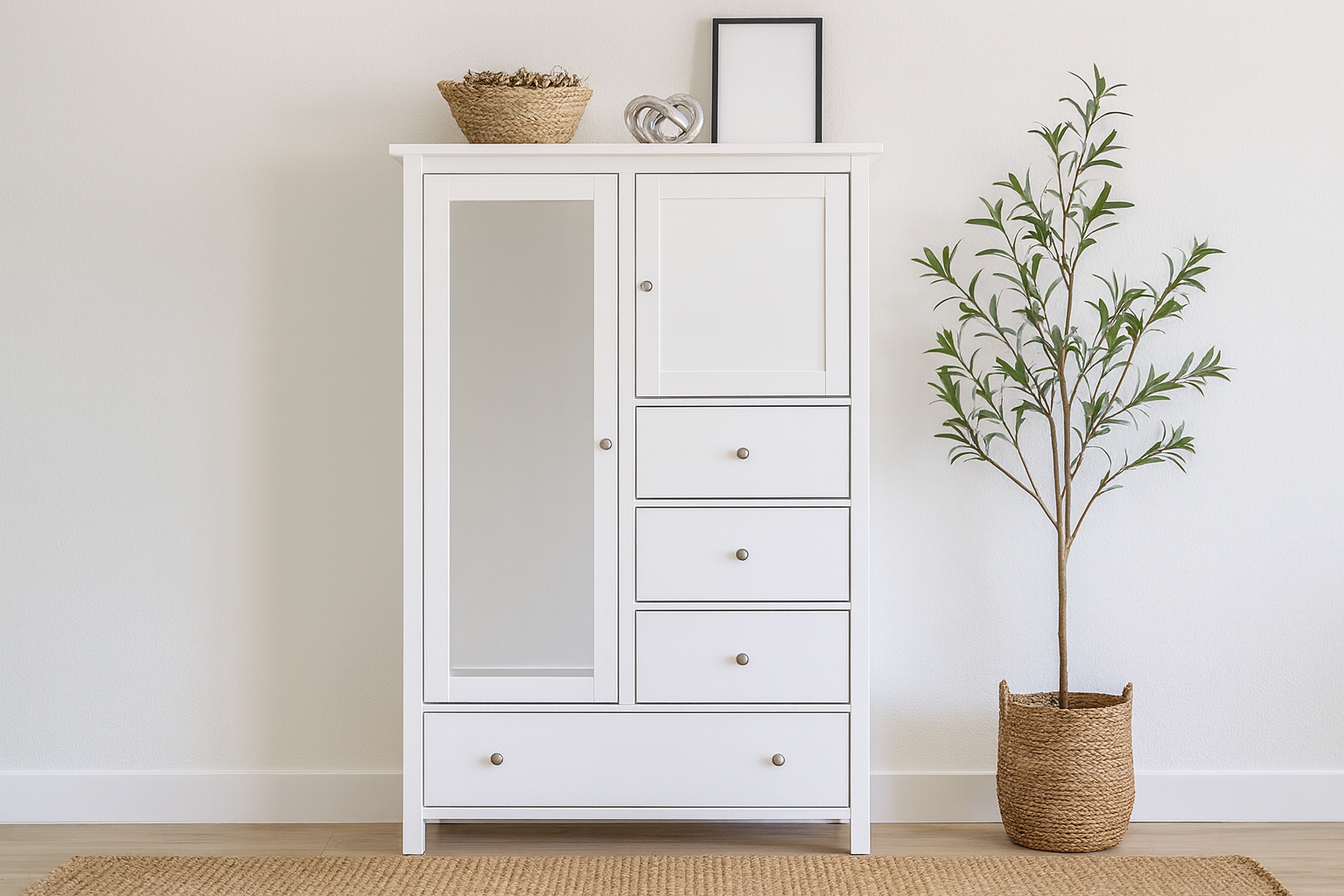
Are you tired of cluttered spaces and overflowing closets? Imagine transforming your home with a stunning, custom-made armoire.
Not only does an armoire serve as a practical storage solution, but it also adds a touch of elegance to any room. Building your own armoire might seem like a daunting task, but with the right guidance, you can create a masterpiece that reflects your personal style and meets your storage needs.
In this guide, we’ll walk you through each step of the process, from selecting the perfect materials to the final touches that will make your armoire truly unique. Ready to unlock the secrets of craftsmanship and elevate your home? Let’s get started!

Credit: food52.com
Choosing Materials And Tools
Choosing the right materials and tools is key to building a sturdy armoire. The wood type affects the look and strength. Tools make the job easier and more precise. Safety gear protects you during work. Spend time on this step to ensure a smooth building process.
Selecting Wood Types
Pick wood that fits your style and budget. Hardwood like oak or maple is strong and lasts long. Softwood such as pine is easier to cut and cheaper. Consider plywood for parts hidden inside. It is stable and resists warping. Check for smooth surfaces and no cracks.
Essential Tools Checklist
- Measuring tape for accurate dimensions
- Hand saw or power saw to cut wood
- Hammer and nails or screws with screwdriver
- Wood glue for extra hold
- Sandpaper or electric sander to smooth edges
- Clamps to hold pieces while drying
- Drill for making holes
- Square tool to check right angles
Safety Gear Tips
Wear safety glasses to protect eyes from dust. Use ear protection if using loud power tools. Gloves guard hands from splinters and cuts. A dust mask stops inhaling wood particles. Dress in close-fitting clothes to avoid snags. Keep a first aid kit nearby for quick help.

Credit: thecrownedgoat.com
Step-by-step Assembly
Building an armoire can seem like a big challenge, but breaking it down into clear steps makes the process manageable and even enjoyable. Each stage of assembly builds on the last, so taking your time and following the steps carefully ensures a sturdy, beautiful piece you’ll be proud of.
Cutting And Preparing Pieces
Start by carefully measuring and cutting all your wood pieces according to the design plan. Use sharp tools to get clean cuts, which makes fitting the pieces together easier and stronger.
Label each piece after cutting to avoid confusion during assembly. Sand the edges smooth to prevent splinters and to help the finish adhere better later on.
Constructing The Frame
Begin assembling the main frame by joining the side panels to the base and top pieces. Use clamps to hold everything steady while you drill pilot holes and secure the pieces with screws or nails.
Check the frame for squareness often. A frame that isn’t perfectly square will cause problems when you attach doors or shelves.
Attaching Doors And Shelves
Attach the hinges to the doors first, then align them carefully on the frame before fastening. It’s easier to adjust the doors while they’re partially attached than after fully securing them.
For shelves, decide whether you want fixed or adjustable heights. Fixed shelves require more precise measuring and fastening, while adjustable shelves need shelf pins and extra holes drilled on the side panels.
Finishing Touches
Finishing touches can make or break your armoire project. They transform rough wood into a beautiful piece that fits your style and lasts for years. Paying close attention here ensures your hard work shines through every detail.
Sanding And Smoothing
Start by sanding your armoire with medium-grit sandpaper to remove any rough spots or uneven surfaces. Then, move to fine-grit sandpaper for a smooth, polished finish. Don’t rush this step; a well-sanded surface helps paint or stain adhere better and prevents splinters.
Feel the wood as you sand. Does it feel silky or still rough? This tactile check can save you from a patchy finish later. Remember, sanding edges and corners thoroughly makes a big difference in the final look.
Painting And Staining Options
Choose paint or stain based on the look you want and the wood type. Paint offers vibrant color and hides imperfections, while stain highlights the natural grain and adds warmth. If you want a rustic feel, consider a matte or distressed finish.
Try testing your chosen color or stain on a scrap piece of wood or a hidden corner first. This small step can prevent surprises after you coat the whole armoire. What mood do you want your armoire to create in the room?
Adding Hardware And Accessories
Hardware adds personality and functionality. Pick handles, knobs, or hinges that match the style of your armoire and the room it’s in. For example, brass knobs give a vintage vibe, while sleek silver pulls fit modern designs.
Don’t forget practical touches like soft-close hinges or drawer liners to enhance usability. Think about how you’ll use the armoire daily—does it need hooks inside or a mirror on the door? These details make your piece truly yours.

Credit: www.realtor.com
Frequently Asked Questions
What Materials Are Needed To Build An Armoire?
To build an armoire, you need plywood, hardwood, screws, wood glue, hinges, handles, and paint or stain. Quality materials ensure durability and a professional finish. Choose wood types based on style and budget, like oak or pine. Proper tools include saws, drills, and sanders.
How Long Does It Take To Build An Armoire?
Building an armoire typically takes 1 to 3 days, depending on complexity. Time varies with skill level and design details. Planning and preparation speed up the process. Allow extra time for drying paint or stain. Patience ensures a quality final product.
What Tools Are Essential For Building An Armoire?
Essential tools include a circular saw, drill, screwdriver, measuring tape, clamps, sander, and level. These tools help in cutting, assembling, and finishing the armoire. Having the right tools ensures accuracy and safety. Investing in good tools improves the building experience.
How Do I Design A Functional Armoire?
Design a functional armoire by planning shelves, hanging space, and drawers. Measure your storage needs and available space. Include adjustable shelves for flexibility. Consider door style and hardware for ease of use. A well-designed armoire maximizes storage and complements room decor.
Conclusion
Building your own armoire takes time and patience. Follow each step carefully for best results. Choose materials that fit your space and style. Measure twice, cut once. Use proper tools to make the process easier. Enjoy the satisfaction of creating furniture yourself.
This project adds both function and charm to any room. Keep practicing to improve your skills. Soon, you will build more pieces with confidence. Simple steps lead to great outcomes. Start your armoire project today and see the difference.