Are you tired of clothes spilling out of your overstuffed closet? Do you wish you had more storage space without the hassle of a major renovation?
If you nodded yes, you’re in for a treat. Building your own armoire closet might just be the perfect solution. Imagine having a custom storage unit that not only fits your space but also reflects your style. You don’t need to be a master carpenter to create something amazing.
In this guide, you’ll discover step-by-step instructions that are easy to follow, whether you’re a DIY novice or a seasoned pro. By the end of this article, you’ll be equipped with the knowledge and confidence to transform your cluttered room into an organized haven. So, why wait? Dive in and unlock the secret to a more organized life with your very own handcrafted armoire closet.

Credit: thecrownedgoat.com
Choosing The Right Materials
Choosing the right materials is key to building a sturdy and beautiful armoire closet. The materials affect the look, strength, and durability of your piece. Picking the right wood and hardware makes the building process smoother and the final product more satisfying.
Wood Types And Finishes
Wood choice shapes the style and strength of your armoire. Solid wood like oak, maple, or pine offers durability. Pine is softer and easier to work with for beginners. Oak and maple provide a classic, long-lasting finish but cost more.
Consider the wood grain and color to match your room’s decor. Veneers give a high-end look without the price of solid wood. Choose a finish that protects the wood and highlights its beauty.
- Oil finishes enhance natural grain and provide a soft look
- Polyurethane offers strong protection and a glossy shine
- Paint allows for vibrant colors and a smooth surface
Test finishes on scrap wood before applying. This prevents surprises and ensures the final look fits your vision.
Hardware And Accessories
Hardware impacts function and style. Choose handles and hinges that fit your armoire’s design. Brass or bronze hardware gives a vintage feel. Modern designs often use brushed nickel or matte black.
Soft-close hinges add smooth door movement and reduce noise. Consider drawer slides for easy access and durability. Accessories like hooks, shelves, and rods improve organization inside your armoire.
- Pick sturdy hinges for long-lasting use
- Select handles that are easy to grip
- Use adjustable shelves for flexible storage
Step-by-step Assembly Guide
Building an armoire closet is a rewarding project. It adds style and storage to your space. This guide breaks down the process into clear steps. Follow these instructions to assemble your armoire with ease.
Preparing The Workspace
Choose a clean, flat area with enough room to work. Clear the space of any obstacles or clutter. Gather all tools and materials needed for assembly. Lay out all parts and check them against the instruction list. This step helps avoid delays during construction.
Constructing The Frame
Start by assembling the base and side panels. Use screws or bolts as instructed for strong joints. Align pieces carefully to keep the frame square. Tighten all fasteners but avoid over-tightening. This ensures the frame is stable and ready for the next steps.
Adding Doors And Shelves
Attach the doors using hinges provided in the kit. Check that doors open and close smoothly. Install shelves at desired heights using shelf pins or brackets. Make sure shelves are level and secure to hold weight. This completes the functional parts of your armoire closet.
Styling And Organizing Tips
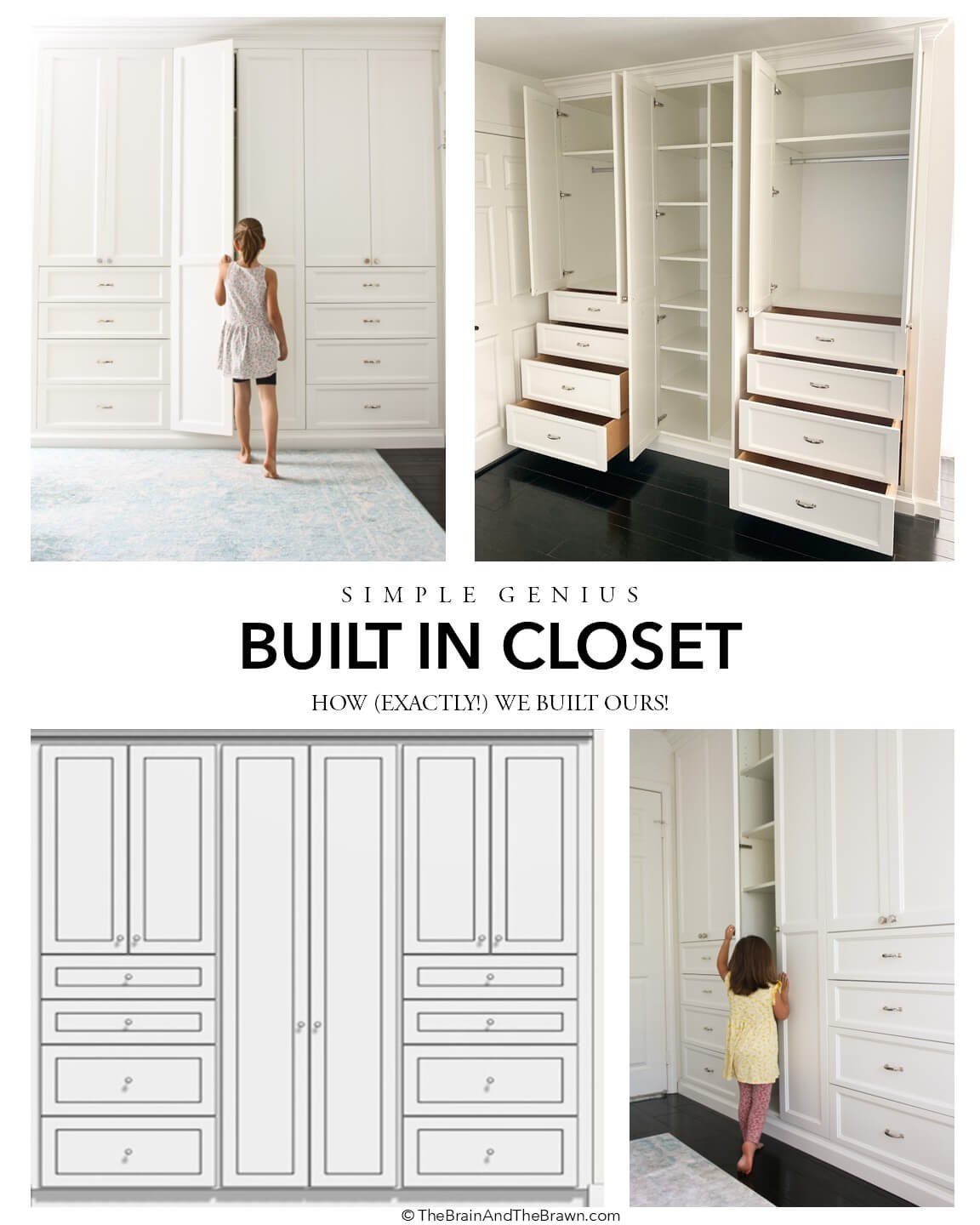
Styling and organizing your armoire closet can transform it from a simple storage unit into a functional and attractive centerpiece of your room. The right approach helps you keep everything accessible and visually appealing. Let’s dive into practical tips that make the most of your space while adding a personal touch.
Maximizing Storage Space
Start by assessing what you need to store. Group similar items together—clothes, shoes, accessories—to create dedicated zones inside your armoire. Use slim, non-slip hangers to save hanging space and keep garments neat.
Consider adding stackable shelves or clear bins for small items like scarves or belts. Drawer dividers are a game-changer for organizing jewelry or socks, preventing clutter. Don’t forget to utilize door space: hooks or hanging organizers can hold ties, necklaces, or even handbags.
Ask yourself: Are there items you rarely use that could be stored elsewhere? Keeping only essentials in your armoire frees up room for daily wear and makes your closet less overwhelming.
Decorative Touches
Personalize your armoire to reflect your style while keeping it inviting. Adding a fresh coat of paint or wallpaper inside can brighten the space and make it feel custom. You might also line shelves with patterned paper for a subtle decorative boost.
Lighting is often overlooked. Installing LED strip lights or small puck lights inside the armoire improves visibility and adds a warm ambiance. Mirrors on the inside of doors can be both practical and stylish, helping you check your outfit without extra furniture.
Small decorative boxes or baskets not only keep things tidy but also add texture and interest. Choose colors and materials that complement your room’s theme. How can you make your armoire a reflection of your personality, not just a storage space?

Credit: creativefashionblog.com
Credit: thebrainandthebrawn.com
Frequently Asked Questions
What Materials Are Best For Building An Armoire Closet?
Solid wood like oak or maple is best for durability. Plywood offers a budget-friendly option. Choose materials based on style and budget preferences.
How Much Time Does Building An Armoire Closet Take?
Building an armoire closet typically takes 2 to 5 days. Time varies depending on skill level, design complexity, and tools available.
What Tools Are Essential For An Armoire Closet Project?
Key tools include a saw, drill, measuring tape, clamps, and screwdriver. A sander helps achieve smooth finishes for a professional look.
How Do I Design A Functional Armoire Closet?
Focus on ample hanging space, adjustable shelves, and drawers. Plan for lighting and easy access to maximize storage efficiency.
Conclusion
Building an armoire closet can be simple and fun. Start with a clear plan and the right tools. Take your time to measure and cut carefully. Use strong materials for a sturdy closet. Add shelves and rods to fit your needs.
Paint or stain to match your room’s style. Enjoy a new, organized space for clothes and more. A handmade armoire adds charm and function. Try it yourself and see the results!