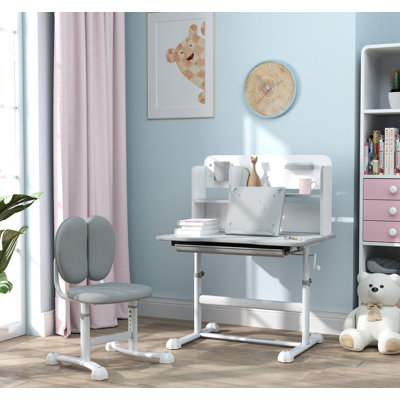
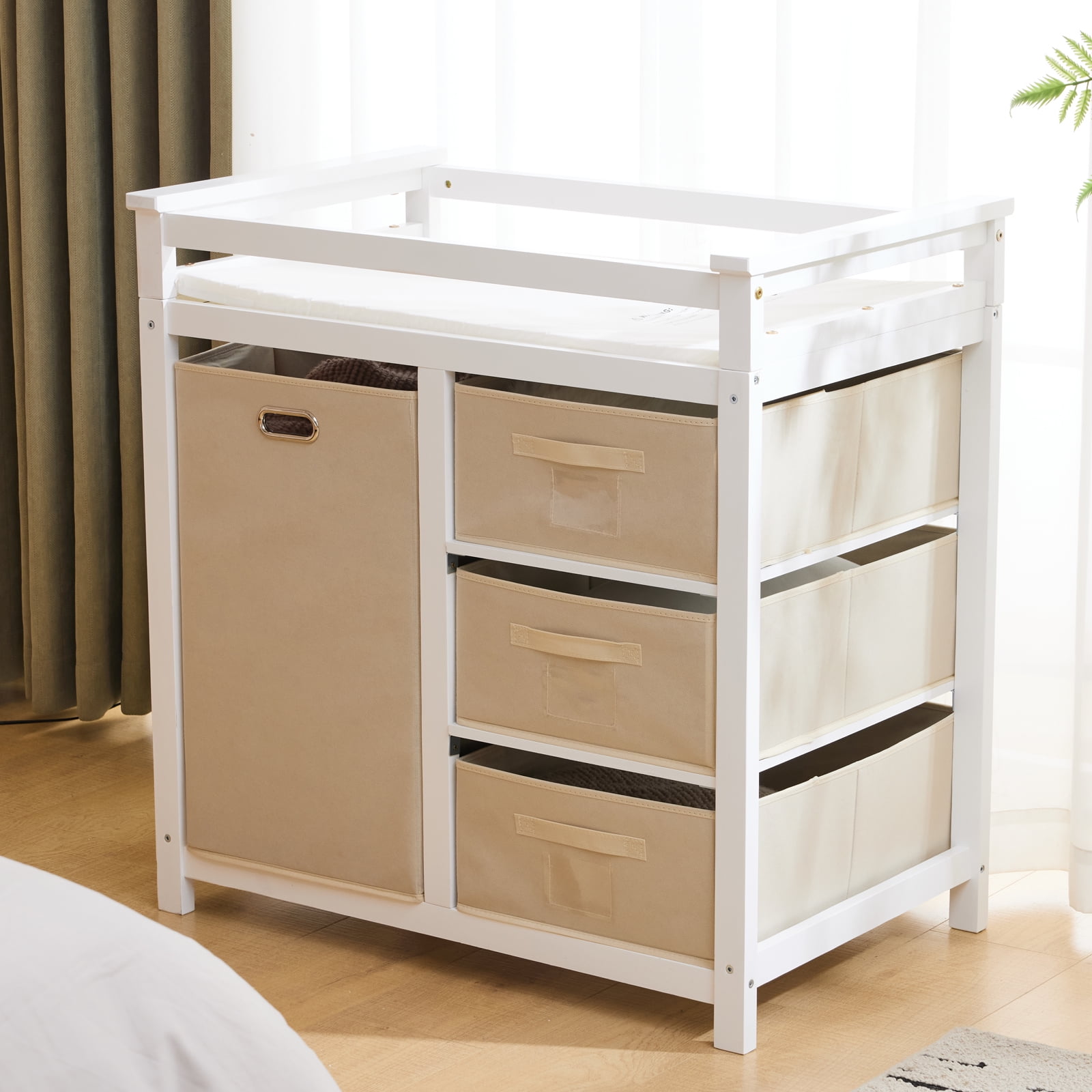
Are you tired of stepping on scattered toys every time you enter a room? Imagine having a neat, organized space where every toy has its place.
Building a toy storage unit can make your life easier and your home tidier. In this guide, you’ll discover simple steps to create a storage solution that fits your needs perfectly. Keep reading, and you’ll learn how to transform clutter into order, making playtime more fun and clean-up a breeze.
Your kids—and your feet—will thank you!
Choosing The Right Design
Building a toy storage unit starts with picking a design that fits your space and needs. A good design keeps toys organized and easy to find.
Consider your room size, the types of toys, and how children will use the storage. These points help you choose the best style and materials.
Assessing Space And Needs
Measure the area where you want the toy storage unit. Think about how many toys you need to store and who will use it.
- Check available wall or floor space
- List types of toys (blocks, dolls, books)
- Consider if children can reach the storage safely
- Decide if the unit needs to move or stay fixed
Selecting Materials
Choose materials that are safe and durable. Wood, plastic, and metal each have benefits for toy storage units.
| Material | Benefits | Considerations |
| Wood | Strong, classic look | May need finishing for safety |
| Plastic | Lightweight, colorful | Can break or crack |
| Metal | Very durable | Can be heavy, sharp edges |
Deciding On Size And Shape
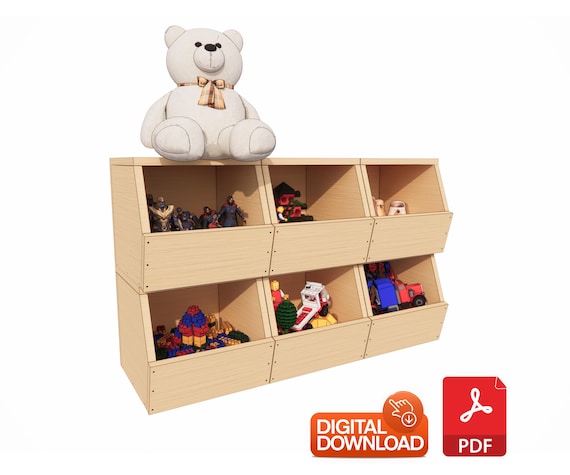
Pick a size that fits your space and stores all toys neatly. Shapes like cubes, bins, or shelves affect how easy the toys are to access.
- Measure the height, width, and depth you need
- Choose shapes that match room layout
- Think about stacking or modular options for flexibility
- Ensure the unit is stable and safe for children
Credit: www.etsy.com
Gathering Tools And Supplies
Building a toy storage unit can be a fun project. The first step is gathering all the necessary tools and supplies. This ensures a smooth process from start to finish.
Having the right materials and equipment makes the task easier. Let’s explore what you’ll need to get started on your toy storage unit.
Essential Tools Checklist
Before starting, gather all the essential tools. This will help you work efficiently.
- Hammer
- Screwdriver set
- Measuring tape
- Drill and drill bits
- Saw (hand saw or power saw)
- Level
- Clamps
Recommended Materials
Choose materials that are durable and safe. This ensures the storage unit will last and is safe for kids.
- Wood panels or boards
- Wood screws and nails
- Wood glue
- Sandpaper
- Paint or wood stain
- Wood finish or sealant
Safety Equipment
Safety is important when building anything. Wear the right equipment to protect yourself.
- Safety goggles
- Work gloves
- Dust mask
- Ear protection (if using power tools)
Step-by-step Assembly
Building a toy storage unit helps keep toys organized. This guide shows easy steps to make one yourself.
Follow these clear instructions to prepare, cut, assemble, and finish your toy storage unit.
Preparing The Workspace
Clear a large area for your project. Make sure the space is clean and well-lit. Gather all tools and materials before you start.
- Find a flat surface like a workbench or table
- Keep safety gear nearby, such as gloves and goggles
- Organize screws, nails, and wood pieces in containers
- Have a tape measure, saw, drill, and screwdriver ready
Cutting And Assembling Parts
Measure and cut each wood piece carefully. Assemble parts step-by-step using screws and wood glue. Make sure all joints fit tightly.
- Measure and mark your wood according to the plan
- Use a saw to cut pieces to the right size
- Sand edges to avoid splinters
- Attach side panels to the base with screws
- Fix shelves inside the frame with wood glue and nails
- Check that the structure is stable and square
Adding Finishing Touches
Finish your storage unit by sanding smooth and applying paint or varnish. Add handles or labels if needed. Let everything dry well.
| Finishing Step | Purpose |
| Sanding | Smooth rough surfaces |
| Painting or varnishing | Protect wood and add color |
| Adding handles | Make drawers easier to open |
| Labeling | Help organize toy categories |

Credit: www.ana-white.com
Tips For Effective Organization
Building a toy storage unit helps keep toys neat and easy to find. Good organization saves time and reduces mess.
These tips will help you organize toys well in your storage unit. Follow them to keep the area tidy and fun.
Sorting Toys By Category
Sort toys into groups based on type or use. Grouping makes it easier to find and put toys away.
Common categories include action figures, puzzles, blocks, and art supplies. Use simple categories kids understand.
- Sort by size and shape
- Separate outdoor and indoor toys
- Group toys by age suitability
- Keep frequently used toys in easy reach
Labeling Storage Bins
Label each bin clearly to show what belongs inside. Labels help kids and adults put toys back correctly.
Use large, easy-to-read labels with words or pictures. This helps younger children recognize where toys go.
- Print or write labels with clear font
- Add pictures for non-readers
- Place labels on the front of bins
- Use waterproof labels for durability
Maintaining The Storage Unit
Keep the storage unit organized by checking it often. Regular tidying prevents clutter from building up.
Teach children to put toys away after playing. Set a weekly time to clean and reorganize if needed.
- Make cleanup part of daily routine
- Inspect bins for broken toys
- Donate or discard old toys regularly
- Adjust sorting as children’s interests change

Credit: www.ana-white.com
Frequently Asked Questions
What Materials Are Best For Building A Toy Storage Unit?
Wood and plastic are ideal materials for toy storage units. Wood offers durability and a classic look. Plastic is lightweight and easy to clean. Choose materials based on safety, budget, and room decor to ensure longevity and child-friendliness.
How Do I Design A Toy Storage Unit For Small Spaces?
Use vertical storage and compact shelves for small spaces. Opt for multi-functional units with bins or drawers. Maximize wall space with hooks or hanging organizers. This keeps toys organized without cluttering the room.
What Safety Features Should A Toy Storage Unit Have?
Ensure the unit has rounded edges to prevent injuries. Use non-toxic paints and finishes. Secure heavy units to the wall to avoid tipping. Choose stable designs that won’t collapse under weight or play.
How Can I Customize A Toy Storage Unit For Kids?
Add colorful bins or labels for easy sorting. Include adjustable shelves to grow with your child. Use themes or decals to make it visually appealing. Customization increases usability and encourages kids to tidy up.
Conclusion
Building a toy storage unit helps keep play areas neat and safe. It also teaches kids to organize their things. Using simple tools and clear steps makes the project easy. You can choose the size and style that fits your space.
A well-made storage unit lasts long and looks good. Try adding labels or colorful bins to make sorting fun. Start your project today and enjoy a tidy, happy home.