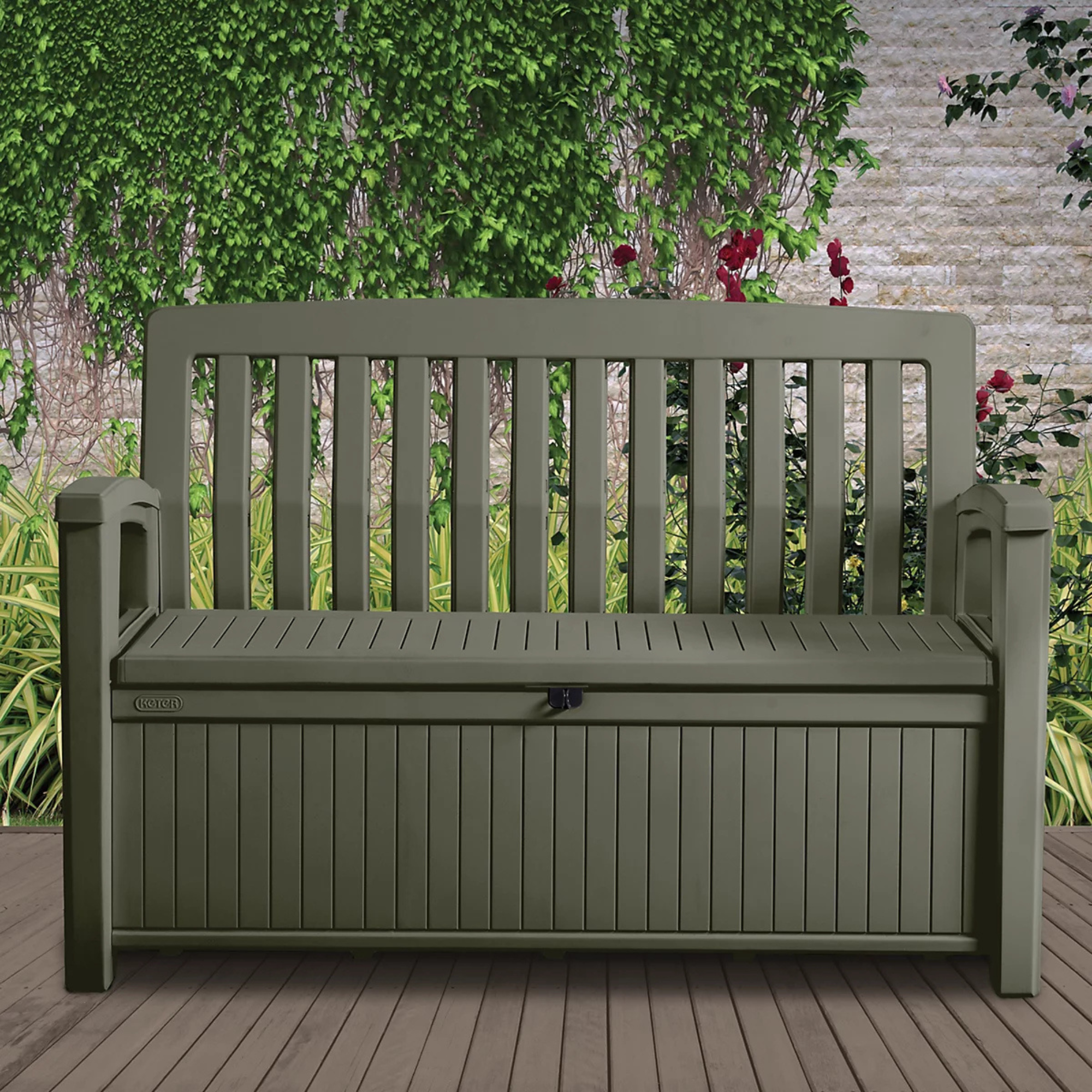
Imagine having a beautiful garden bench that not only gives you a cozy spot to relax but also hides away your gardening tools and cushions. Sounds perfect, right?
Building a garden bench with storage can save you space and keep your outdoor area neat and tidy. In this guide, you’ll discover simple steps to create your own bench that looks great and works hard for you. By the end, you’ll have a practical and stylish piece that makes your garden more inviting.
Ready to transform your outdoor space? Let’s get started!
Credit: www.idealhome.co.uk
Choosing Materials
Choosing the right materials is important for building a garden bench with storage. Good materials make the bench strong and last longer.
Think about the wood, hardware, and finishing supplies you need. Each part helps your bench look good and work well.
Wood Types
Wood is the main material for your garden bench. Some woods handle weather better than others. Pick wood that stays strong outside.
Common woods for outdoor benches include cedar, pine, and teak. Cedar resists bugs and rot. Pine is cheaper but needs protection. Teak is very strong and lasts long.
- Cedar:Natural resistance to decay and insects.
- Pine:Affordable, but needs sealing to protect from water.
- Teak:Durable and weather-resistant but costs more.
Hardware Essentials
Hardware holds your bench together. Use screws and hinges made for outdoor use. These last longer and keep the bench safe.
Look for stainless steel or coated screws. They do not rust easily. Strong hinges help the storage lid open and close smoothly.
- Stainless steel screws for rust resistance.
- Outdoor hinges for durability and smooth movement.
- Wood glue to add extra strength.
- Handles or knobs for easy lid opening.
Finishing Supplies
Finishing supplies protect your bench from weather and wear. They also make the wood look nice. Choose finishes made for outdoor wood.
Use wood sealers, stains, or paints that block water. These prevent wood from cracking and fading. Apply them in thin, even coats.
- Wood sealer to protect from moisture.
- Outdoor wood stain for color and UV protection.
- Exterior paint for a colorful, strong finish.
- Brushes or rags for applying finishes.

Credit: 100things2do.ca
Planning Your Design
Building a garden bench with storage needs careful planning. Good design helps the bench fit your space and needs.
Start by thinking about size, style, and storage options. This makes building easier and faster.
Measuring Space
Measure the area where you want to place the bench. Write down the length, width, and height available.
Check for obstacles like plants or walkways. Make sure the bench fits well without blocking paths.
Sketching The Bench
Draw a simple sketch of your bench on paper. Include the seat, legs, and storage parts.
Label the parts and write down their sizes. This helps you see how everything fits together.
- Draw front, side, and top views
- Mark the seat height and width
- Show where storage will go
Storage Compartment Options
Decide what type of storage you want. It could be under the seat, inside the bench, or in drawers.
Think about what you will store. Choose a design that keeps items safe and dry.
- Lift-up seat with a storage box underneath
- Drawers built into the bench base
- Open shelves below the seat
Step-by-step Assembly
Building a garden bench with storage is a useful project. It gives you a place to sit and store items neatly.
Follow these steps carefully to make your bench strong and functional. We will cover cutting wood, building the frame, and adding storage.
Cutting Wood Pieces
Start by measuring and cutting all wood pieces to the right size. Use quality wood for durability.
- Cut two side panels 18 inches high and 48 inches long.
- Cut the front and back panels 18 inches high and 20 inches deep.
- Cut the seat board 48 inches long and 20 inches wide.
- Cut storage dividers and bottom boards to fit inside the frame.
Constructing The Frame
Build the bench frame by attaching the side, front, and back panels. Make sure the frame is square and sturdy.
| Part | Material | Quantity |
| Side Panels | Wood Boards | 2 |
| Front Panel | Wood Boards | 1 |
| Back Panel | Wood Boards | 1 |
| Seat Board | Wood Board | 1 |
| Bottom Boards | Wood Boards | 2-3 (depending on storage size) |
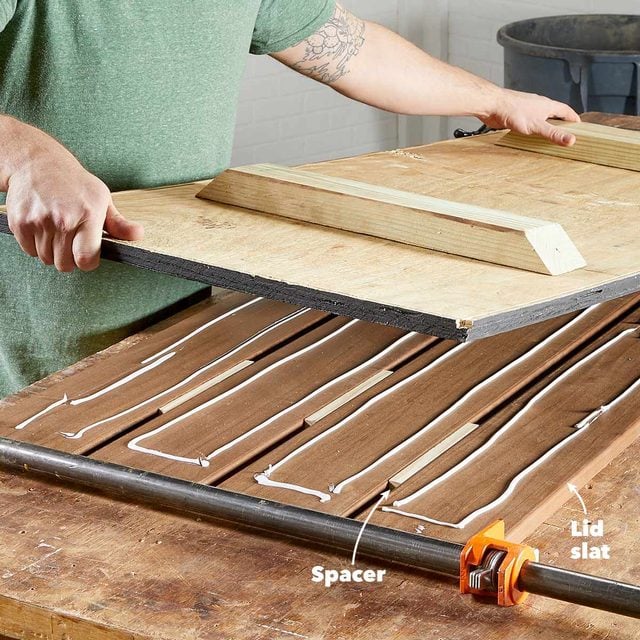
Use screws and wood glue to join the parts. Let glue dry before moving on.
Adding Storage Features
Add storage by installing dividers and bottom panels inside the frame. The seat will lift up to access storage.
- Hinged seat for easy opening
- Dividers to keep items organized
- Ventilation holes to prevent moisture build-up
Attach hinges to the back panel and seat board. Check that the seat opens and closes smoothly.
Credit: www.familyhandyman.com
Finishing Touches
Adding the finishing touches to your garden bench is important. It makes sure the bench looks good and lasts a long time.
This guide will help you with the final steps. These include sanding, painting, sealing, and installing the bench.
Sanding And Painting
Sanding the wood makes it smooth and ready for paint. Use sandpaper to rub the surface gently.
After sanding, choose a paint that suits your garden theme. Apply a thin coat and let it dry before adding more layers.
- Use fine-grit sandpaper for a smooth finish
- Apply primer before painting
- Paint in a well-ventilated area
Sealing For Weatherproofing
Sealing the bench protects it from weather changes. It helps keep the wood dry and prevents damage.
Choose a waterproof sealant for outdoor furniture. Apply it evenly over the painted surface.
- Seal all visible surfaces
- Check for any missed spots
- Allow the sealant to dry completely
Installing The Bench
Placing your bench in the right spot is important. Find a level area in your garden where the bench will sit well.
Secure the bench to the ground if needed. This prevents it from moving during use.
- Use anchors for stability
- Check for safety after installation
- Arrange your garden around the bench
Frequently Asked Questions
What Materials Are Best For Building A Garden Bench With Storage?
Wood like cedar or teak is ideal due to durability and weather resistance. Use stainless steel screws to prevent rust. Choose waterproof paint or sealant to protect the wood and extend the bench’s life outdoors.
How Do I Design Storage Compartments In A Garden Bench?
Plan storage space based on what you’ll store. Use hinged seats for easy access. Add dividers or shelves inside for organization. Ensure ventilation to prevent moisture buildup and keep contents dry.
Can I Build A Garden Bench With Storage On A Budget?
Yes, use reclaimed wood or pallets to save costs. Basic tools like a saw and drill are sufficient. Simple designs reduce material needs. Painting or staining enhances appearance affordably.
How Do I Maintain A Garden Bench With Storage?
Clean the bench regularly to remove dirt. Apply sealant yearly to protect wood from moisture. Check hinges and screws for rust or looseness. Store cushions indoors when not in use to avoid damage.
Conclusion
Building a garden bench with storage adds both style and function. You get a comfy seat and space to keep tools or cushions. The steps are simple and the materials easy to find. This project suits beginners and helps improve any garden area.
Take your time and enjoy creating something useful. Soon, you will relax on your new bench and appreciate your hard work. A practical and attractive addition to your outdoor space. Why wait? Start building and enjoy your garden more.