Have you ever stopped to think about how often you replace your shower pouf? It might seem like a small detail, but using an old, worn-out pouf can affect your skin and hygiene more than you realize.
Your shower pouf collects dead skin, bacteria, and mold over time, turning what should be a refreshing scrub into a potential health risk. Keep reading to discover the simple yet crucial signs that it’s time to swap out your pouf and how doing so can make your shower routine cleaner, safer, and more enjoyable.

Credit: ca.style.yahoo.com
Signs To Replace Your Shower Pouf
Shower poufs show visible wear and tearlike frayed edges or holes. Such damage means it’s time to replace it. Using a torn pouf can cause skin irritation.
An unpleasant odorthat does not go away after rinsing is a clear sign. It means bacteria or soap scum is growing inside.
Persistent mold or mildewis harmful. If you see black or green spots, toss the pouf immediately. Mold can cause skin problems and allergies.
Factors Influencing Replacement Frequency
The material typeof a shower pouf affects how long it lasts. Soft mesh poufs may wear out faster than nylon ones. Some materials dry quickly, reducing germs.
Usage frequencyis key. Using a pouf daily means it needs replacing sooner, usually every 3-4 weeks. Less frequent use can extend its life.
Storage conditionsalso matter. Keeping the pouf in a dry, airy place helps it stay fresh. Leaving it in a damp shower area can cause mold and bacteria to grow faster.
Tips For Maintaining Shower Pouf Hygiene
Keep your shower pouf fresh by rinsing it well after each use. Squeeze out water gently to remove soap and dirt. Wash it weekly with warm water and mild soap or vinegar to kill bacteria. Avoid using harsh chemicals that can damage the material.
Dry your pouf completely between uses. Hang it in a well-ventilated area to air dry fast. Avoid leaving it in a damp spot to stop mold and mildew. Sunlight can help dry and sanitize your pouf naturally.
| Alternative Bath Accessories | Benefits |
|---|---|
| Washcloth | Easy to clean and dries quickly |
| Silicone Brush | Hygienic and long-lasting |
| Loofah Sponge | Natural and exfoliating |
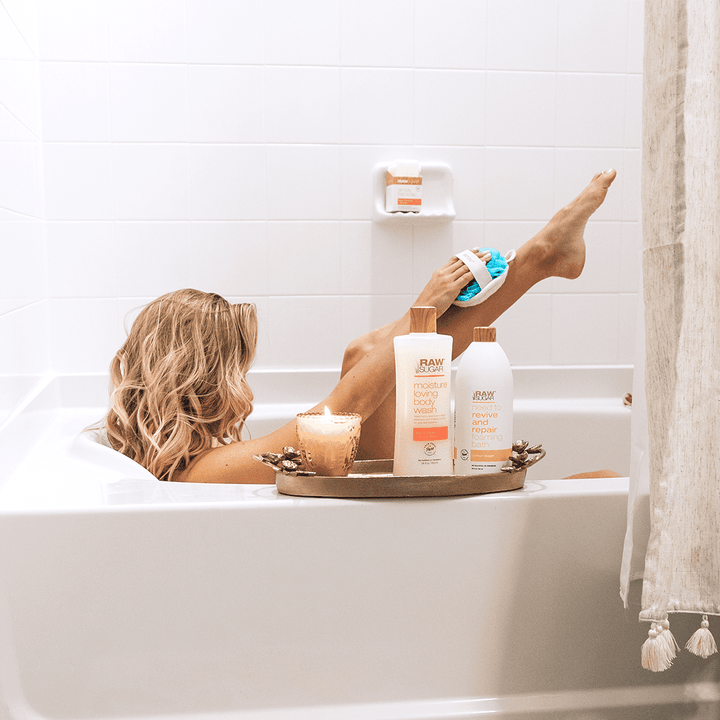
Credit: rawsugarliving.com
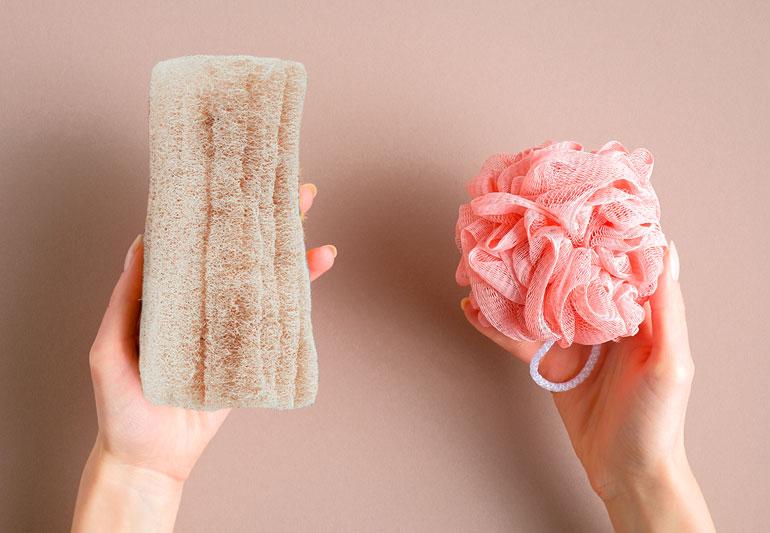
Credit: health.clevelandclinic.org
Frequently Asked Questions
How Often Should I Replace My Shower Pouf?
Replace your shower pouf every 3 to 4 weeks to prevent bacteria buildup. Frequent replacement keeps it hygienic and effective for exfoliation.
Can I Clean And Reuse A Shower Pouf?
Yes, rinse and dry your pouf after each use. Clean it weekly with vinegar or bleach solution to reduce germs.
Why Is Replacing A Shower Pouf Important?
Old poufs harbor bacteria, mold, and dead skin. Regular replacement prevents skin irritation and infections, ensuring a safe shower routine.
How Do I Know When To Replace My Shower Pouf?
Replace when it smells bad, changes color, or feels slimy. These signs indicate bacteria growth and reduced effectiveness.
Conclusion
Replacing your shower pouf regularly ensures a clean bathing experience. Over time, germs and mold can build up. A fresh pouf every month helps maintain hygiene. Notice changes in your pouf’s texture or smell? Time for a replacement. It’s simple and crucial for skin health.
A clean pouf means a cleaner you. Keep your bathroom essentials fresh. Prioritize your hygiene routine. Health starts with small steps like this. Make it a habit. Your skin will thank you. Happy bathing!