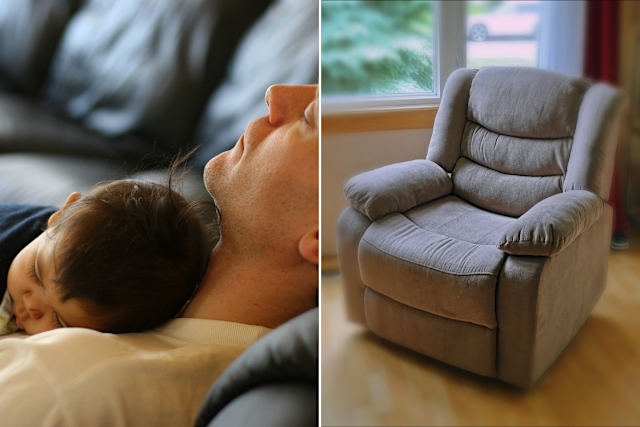
Have you ever found yourself dozing off in a recliner and wondered if it’s safe for your health? You might be surprised to learn that the way you sleep could affect your blood flow.
Could sleeping in a recliner actually increase your risk of blood clots? This is a serious question because blood clots can lead to dangerous health problems. You’ll discover the truth behind sleeping in a recliner and what it means for your circulation and overall well-being.
Keep reading to protect yourself and learn simple steps to stay safe.

Credit: www.aol.com
Risks Of Recliner Sleeping
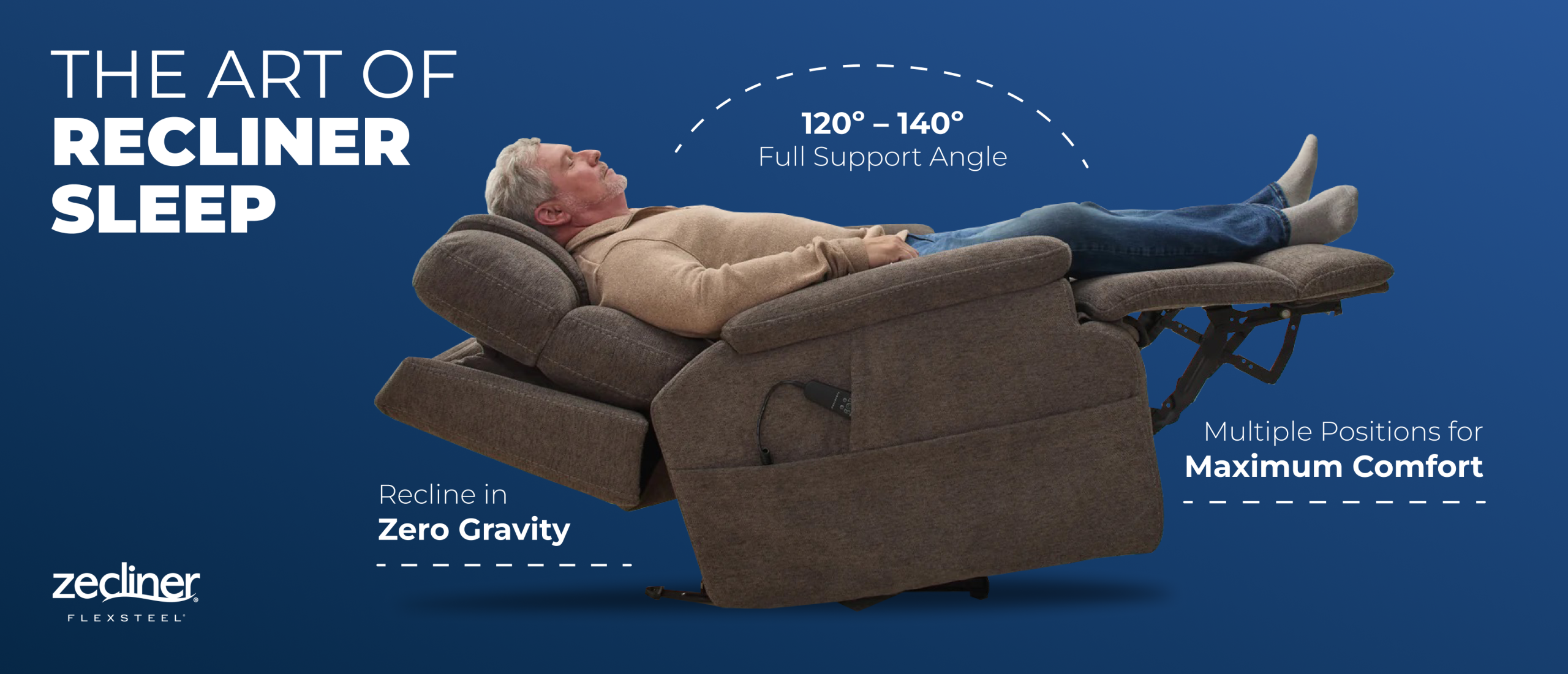
Sleeping in a recliner can feel comfortable for some people. It may help with back or breathing problems. But it also has risks, especially if you sleep there often.
One big concern is the chance of blood clots. Blood clots can be very dangerous if they move to the lungs or brain. Understanding the risks helps you stay safe.
Reduced Blood Flow
Sitting or sleeping in a recliner for a long time can slow down blood flow. When blood moves slowly, it can form clots more easily. This happens because your legs stay bent and still.
- Legs bent at the knee can block blood flow
- Lack of movement makes blood pool in veins
- Slower blood flow raises clot risk
Increased Risk For Certain People
Some people have a higher chance of blood clots when sleeping in a recliner. This includes older adults, people with obesity, and those with blood problems. People who do not move much are also at risk.
- Older adults have weaker circulation
- Obesity puts pressure on veins
- Blood clot history raises risk
- Long immobility causes blood pooling
Poor Sleeping Position Effects
Recliners do not support your body like a bed. Your position may cause pressure points. This can reduce blood flow in certain areas. Poor sleep quality may also affect your health.
- Legs may stay bent too long
- Pressure on thighs and calves reduces circulation
- Neck and back may not rest well
- Poor sleep can weaken your immune system
Signs Of Blood Clots To Watch
You should know the signs of blood clots if you sleep in a recliner often. Early detection can save your life. Look for pain, swelling, or redness in your legs.
- Swelling in one leg or arm
- Warmth and redness on the skin
- Sudden shortness of breath
- Chest pain or rapid heartbeat
How Blood Clots Form
Blood clots are gel-like clumps of blood that form to stop bleeding. They help when you get a cut or injury.
Sometimes, clots can form inside blood vessels without injury. This can cause health problems.
The Role Of Platelets
Platelets are tiny cells in the blood that start clotting. They gather at the injury site and stick together.
These platelets form a plug that helps stop bleeding quickly.
Clotting Factors And Their Function
Clotting factors are proteins in the blood. They work with platelets to make a strong clot.
| Clotting Factor | Role |
| Factor I (Fibrinogen) | Forms fibrin threads to strengthen clot |
| Factor II (Prothrombin) | Helps produce thrombin to activate fibrin |
| Factor VII | Starts clotting cascade after injury |
| Factor X | Converts prothrombin to thrombin |
How Blood Flow Affects Clotting
Slow or stopped blood flow can cause clots to form inside veins. This is called venous thrombosis.
- Blood pools in one place
- Platelets collect easily
- Clotting factors activate more
- A clot can grow and block blood flow
Injuries To Blood Vessel Walls
Damage to blood vessels can trigger clotting. The body sees damage and starts repair by forming clots.
Vessel damage causes:
- Exposure of collagen
- Activation of platelets
- Release of clotting factors
- Formation of fibrin mesh
Link Between Recliners And Clots
Sleeping in a recliner chair can feel comfortable for many people. But some wonder if it can cause blood clots. Blood clots happen when blood thickens and clumps together inside veins.
This article looks at the connection between recliners and blood clots. It explains what causes clots and if recliners raise the risk.
How Recliners Affect Blood Flow
Sitting or lying in one position for a long time can slow down blood flow. Recliners may cause this if a person stays still for hours. Poor blood flow increases the chance of clots forming.
When legs are bent too much, it can press on veins and reduce circulation. This can happen in some recliner positions.
Risk Factors To Consider
- Age over 60 years
- Being overweight or obese
- History of blood clots or clotting disorders
- Recent surgery or injury
- Smoking
- Use of certain medications like birth control pills
- Long periods of inactivity
People with these risks should be careful when resting in recliners for long times.
Signs Of Blood Clots To Watch For
| Symptom | Description |
| Swelling | Usually in one leg or arm |
| Pain | Sharp or cramping feeling |
| Redness | Skin looks red or discolored |
| Warmth | Area feels warmer than usual |
| Shortness of breath | Could mean clot has moved to lungs |
If any of these signs appear, see a doctor right away.
Tips To Prevent Clots While Using Recliners
- Change position every 30 to 60 minutes
- Stretch or walk around when possible
- Keep legs elevated but not bent sharply
- Wear compression stockings if advised
- Stay hydrated by drinking water often

Credit: www.aol.com
Preventing Blood Clots While Reclining
Sleeping in a recliner can feel comfortable but may raise health concerns. One worry is the chance of blood clots forming in your legs.
Blood clots can be serious if they block blood flow. It’s important to know how to prevent them while reclining.
Keep Moving Your Legs
Sitting or lying still for long times can slow blood flow. Move your legs often to help blood circulate well.
Try to flex and extend your ankles and knees every hour. This keeps your blood flowing and lowers clot risk.
- Flex your feet up and down
- Rotate your ankles slowly
- Bend and straighten your knees
- Do these movements every hour
Use Proper Recliner Position
Keep your legs slightly elevated but not too high. This position helps blood flow back to your heart.
A recliner position that bends your hips and knees around 90 degrees is good. Avoid crossing your legs for long periods.
- Set recliner angle to support natural leg position
- Keep feet flat or slightly raised
- Do not cross legs while resting
Stay Hydrated
Drinking enough water helps keep your blood thin. Thick blood can cause clots more easily.
Try to drink water throughout the day, even if you are sitting or reclining for a long time.
- Drink at least 6-8 glasses of water daily
- Avoid too much caffeine or alcohol
- Carry a water bottle nearby
Wear Compression Socks
Compression socks help squeeze your legs gently. This action improves blood flow and reduces clot risks.
Choose socks that fit well and are made for your activity level. They are helpful if you sit or recline a lot.
- Buy socks with proper compression level
- Wear them during long sitting or reclining times
- Remove socks at night if not advised otherwise
Check Your Health Regularly
People with certain health issues have higher blood clot risks. Talk to your doctor if you have problems like obesity or heart disease.
Doctors may suggest tests or medicines to keep you safe while resting in recliners for long periods.

Credit: www.aol.com
Frequently Asked Questions
Can Sleeping In A Recliner Increase Blood Clot Risk?
Sleeping in a recliner for long periods may reduce blood flow in the legs. Poor circulation can raise the risk of blood clots, especially in people with other health conditions or limited mobility.
How Does Recliner Position Affect Blood Circulation?
A reclined position can sometimes restrict leg movement, leading to slower blood flow. Proper leg elevation and regular movement help maintain healthy circulation and reduce clot risks.
Who Is Most At Risk Of Blood Clots When Reclining?
People with obesity, recent surgery, or clotting disorders are more vulnerable. Prolonged immobility in a recliner can increase their chances of developing blood clots.
What Precautions Prevent Blood Clots While Sleeping In A Recliner?
Take breaks to move legs, stretch regularly, and avoid sitting too long. Use pillows to elevate legs and maintain good posture to promote blood flow.
Conclusion
Sleeping in a recliner does not always cause blood clots. Staying still for long periods can increase risk. Moving your legs often helps blood flow. Drinking enough water also keeps you healthy. Choose a comfortable position to avoid pressure. Talk to a doctor if you feel pain or swelling.
Taking simple steps can protect your health. Rest well, but remember to stay active too. Your body will thank you for it.