Are you wondering if recliners are really good for your back? You’re not alone.
Many people love sinking into a cozy recliner after a long day, but is it helping or hurting your spine? Your back health matters, and the right chair can make a big difference. You’ll discover what experts say about recliners and back support, and learn how to choose one that actually benefits your comfort and posture.
Keep reading—you might be surprised by what you find out.
Credit: www.duroflexworld.com
Benefits Of Recliners For Back Health
Recliners can help support your back in a comfortable way. They allow you to relax while keeping your spine aligned. Using a recliner regularly may reduce back pain and stiffness.
Many people find that recliners help them rest better after a long day. Choosing the right recliner can improve your overall back health.
Supportive Features In Recliners
Recliners often include special features that help support your back. These features keep your spine in a natural position. They reduce strain on muscles and joints.
- Adjustable lumbar support to fit your lower back
- Headrests that support your neck and upper spine
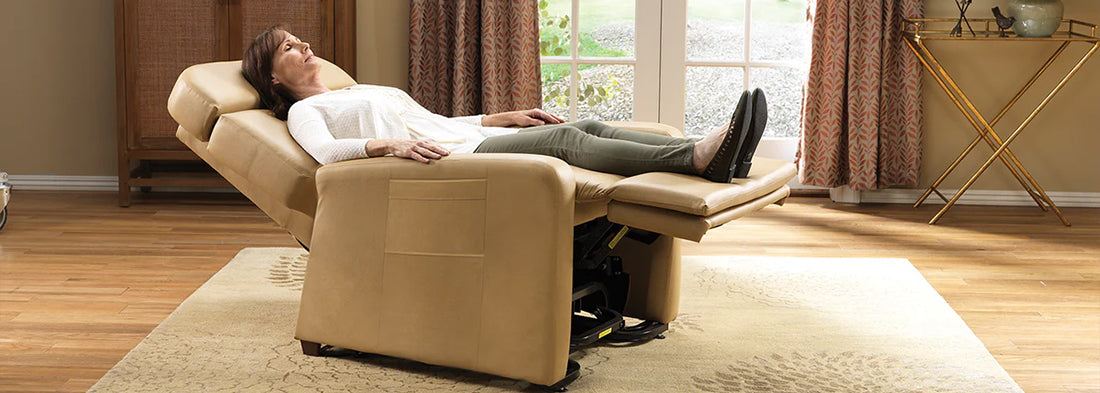
- Footrests to elevate your legs and reduce pressure
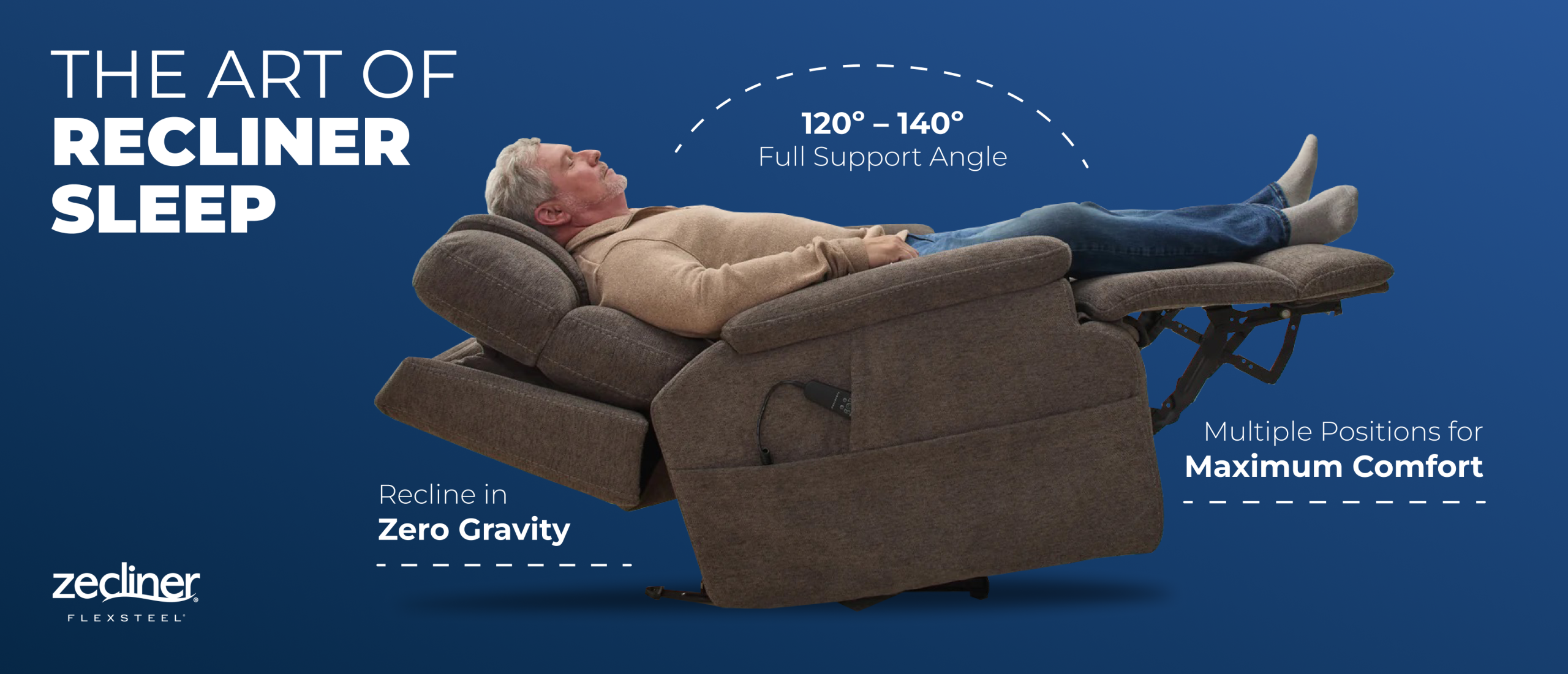
- Multiple reclining positions for personalized comfort
Pressure Relief And Comfort
Recliners help relieve pressure on your back by spreading your weight evenly. This reduces pain points and muscle tension. Soft padding adds extra comfort during use.
| Feature | Benefit |
| Memory foam cushions | Conforms to body shape for pressure relief |
| Wide armrests | Supports arms to reduce shoulder strain |
| Reclining angle | Decreases pressure on the spine |
Improved Blood Circulation
Raising your legs in a recliner improves blood flow. Better circulation helps reduce swelling and fatigue. It also speeds up healing in tired muscles.
- Elevated legs ease pressure on veins
- Reduced back pressure improves overall circulation
- Comfortable position encourages longer rest periods
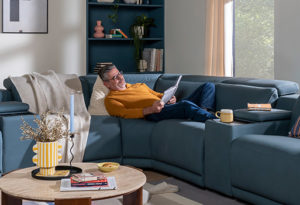
Credit: la-z-boy.co.uk
Potential Back Issues From Recliner Use
Recliners are popular for comfort, but they can cause back problems. Sitting too long or sitting wrong can hurt your back.
This section explains some back issues linked to recliner use. Knowing the risks helps you protect your spine.
Poor Posture Risks
Sitting in a recliner with poor posture strains your muscles and spine. Slouching or leaning too far can cause pain.
Poor posture may lead to stiffness and long-term back problems. It reduces the natural curve of your spine.
- Rounded shoulders increase upper back tension
- Slouched lower back causes disc pressure
- Neck bending leads to muscle strain
Prolonged Sitting Effects
Sitting in a recliner for long hours limits blood flow to your back muscles. This causes stiffness and discomfort.
Long sitting times can weaken your core muscles. Weak muscles do not support your spine well, causing pain.
- Muscle tightness from lack of movement
- Lower back pressure from constant sitting
- Reduced spinal flexibility over time
Incorrect Recliner Adjustment
Wrong recliner settings can cause your spine to bend in unhealthy ways. This leads to discomfort or pain.
Improper footrest or backrest angles increase pressure on your lower back. Adjusting the recliner is important for support.
- Too much recline strains the lower spine
- Feet not supported increase back tension
- Headrest too low or high strains neck
Choosing The Right Recliner For Your Back
Picking a recliner that supports your back well can reduce pain and improve comfort. Not all recliners suit every type of back. It is important to know what features help keep your spine healthy.
This guide covers key factors to consider when choosing a recliner. Focus on design, cushioning, and adjustability to find the best fit for your back.
Ergonomic Design Elements
An ergonomic recliner supports natural spine curves. Look for good lumbar support to keep your lower back stable. The chair’s shape should promote good posture and reduce strain.
- Curved backrest to match your spine
- Headrest that supports your neck
- Armrests at a comfortable height
- Seat depth that allows feet to touch the floor
Material And Cushioning
The material and cushioning affect comfort and support. Firmer cushions often offer better support for your back. Soft cushions may feel good but can cause poor posture over time.
| Material | Comfort Level | Support Level |
| Memory Foam | Soft to Medium | High |
| High-Density Foam | Firm | Very High |
| Spring Cushion | Medium | Medium |
| Polyester Fiber | Soft | Low |
Adjustability Options
Adjustability helps you find the best posture. Choose a recliner with many settings to fit your body shape and needs. This helps reduce back pressure and increases comfort.
- Adjustable backrest angle
- Footrest that raises and lowers
- Swivel or tilt functions
- Height adjustments for seat and headrest
Tips For Using Recliners Safely
Recliners can be comfortable for your back when used the right way. You need to follow some tips to keep your back healthy.
Using a recliner safely means paying attention to how you sit and how long you stay. Adding movement helps too.
Proper Sitting Techniques
Sit with your back fully supported by the recliner. Keep your feet flat on the floor or on the footrest.
Try to keep your spine in a natural position. Avoid slouching or leaning too far forward or backward.
- Adjust the recliner to support your lower back
- Keep your knees slightly lower than your hips
- Use a small pillow behind your lower back if needed
Duration And Frequency
Do not sit in a recliner for too long without breaks. Long sitting can strain your back muscles and joints.
Take breaks often to stand up and stretch. Limit recliner time to avoid stiffness and discomfort.
- Limit sitting sessions to 30-60 minutes
- Take a 5-10 minute break every hour
- Stand or walk during breaks to improve circulation
Combining Recliner Use With Movement
Use the recliner as a place to rest, not stay still all day. Move your body regularly to keep your back healthy.
Simple exercises and stretches help reduce tension in your back. Try gentle movements before and after using the recliner.
- Stretch your arms, legs, and back every hour
- Do light walking or standing exercises
- Change your sitting position often while in the recliner

Credit: relaxtheback.com
Frequently Asked Questions
Are Recliners Beneficial For Back Pain Relief?
Recliners can provide good support and reduce pressure on your spine. They help maintain proper posture and relieve muscle tension. Adjustable recliners allow you to find a comfortable position, which can ease back pain. However, prolonged use without movement may cause stiffness.
How Do Recliners Support Spinal Alignment?
Recliners support spinal alignment by offering adjustable backrests and footrests. This helps distribute body weight evenly and reduces strain on your lower back. Proper lumbar support in recliners promotes natural spine curves, preventing slouching and improving overall posture during relaxation.
Can Recliners Worsen Existing Back Problems?
Improper recliner use or poor design can worsen back issues. Lack of proper lumbar support or sitting in one position too long may increase discomfort. It’s important to choose a recliner with good ergonomics and take breaks to avoid stiffness or pain.
What Features Should I Look For In A Back-friendly Recliner?
Look for adjustable lumbar support, a reclining angle that suits your comfort, and a padded footrest. Firm cushions and breathable materials also enhance comfort. Ergonomic design and sturdy construction ensure proper spine support and durability for long-term use.
Conclusion
Recliners can support your back if used the right way. Choose a recliner with good lumbar support and firm cushions. Sitting too long, even in a recliner, can cause stiffness. Move and stretch often to keep your muscles active. Pay attention to your posture while relaxing.
A recliner can help you feel comfortable after a long day. Use it wisely to protect your back health. Your comfort matters, so pick a recliner that fits your needs well.