Are you tired of your recliner sliding every time you try to relax? It can be frustrating when your favorite chair won’t stay put, especially on carpeted floors.
But don’t worry—there are simple and effective ways to keep your recliner steady and secure. Imagine sinking into your chair without it moving an inch, giving you the comfort and peace you deserve. Keep reading, and you’ll discover easy tips that anyone can use to stop that annoying sliding for good.
Your perfect, stable recliner experience is just a few steps away.
Causes Of Recliner Sliding
Recliners can slide on carpets for many reasons. This causes discomfort and safety risks. Understanding the causes helps keep the recliner steady.
Several factors affect why a recliner moves on carpet. These include the carpet type, the design of the recliner legs, and how the weight spreads.
Carpet Texture And Material
The texture and material of a carpet change how much grip it has. Smooth carpets let furniture slide more easily. Rough or thick carpets hold furniture in place better.
Materials like wool usually have more friction. Synthetic carpets can be slippery. The pile height also matters. Higher piles can cause uneven sliding.
- Low-pile carpets are smoother and allow sliding.
- High-pile carpets provide more grip but may cause unevenness.
- Natural fibers like wool offer better friction than synthetic ones.
Recliner Leg Design
The shape and material of recliner legs affect sliding. Legs with smooth bottoms slide easier on carpet. Rubber or textured feet hold better on soft surfaces.
Wide legs spread the weight and reduce pressure points. Thin legs can dig into carpet and cause imbalance. Some legs have pads to improve grip and prevent movement.
- Smooth wooden or metal legs slide more on carpet.
- Rubber feet increase friction and reduce sliding.
- Wide legs distribute weight for better stability.
Weight Distribution
How the recliner’s weight spreads affects its stability. Uneven weight can cause one side to slide more. Balanced weight helps the recliner stay in place.
Heavy recliners push down and grip the carpet better. Light recliners may move more easily. The position of the person sitting also changes weight distribution.
- Even weight distribution reduces sliding risk.
- Heavier recliners press more into carpet fibers.
- Shifting weight while sitting can cause movement.
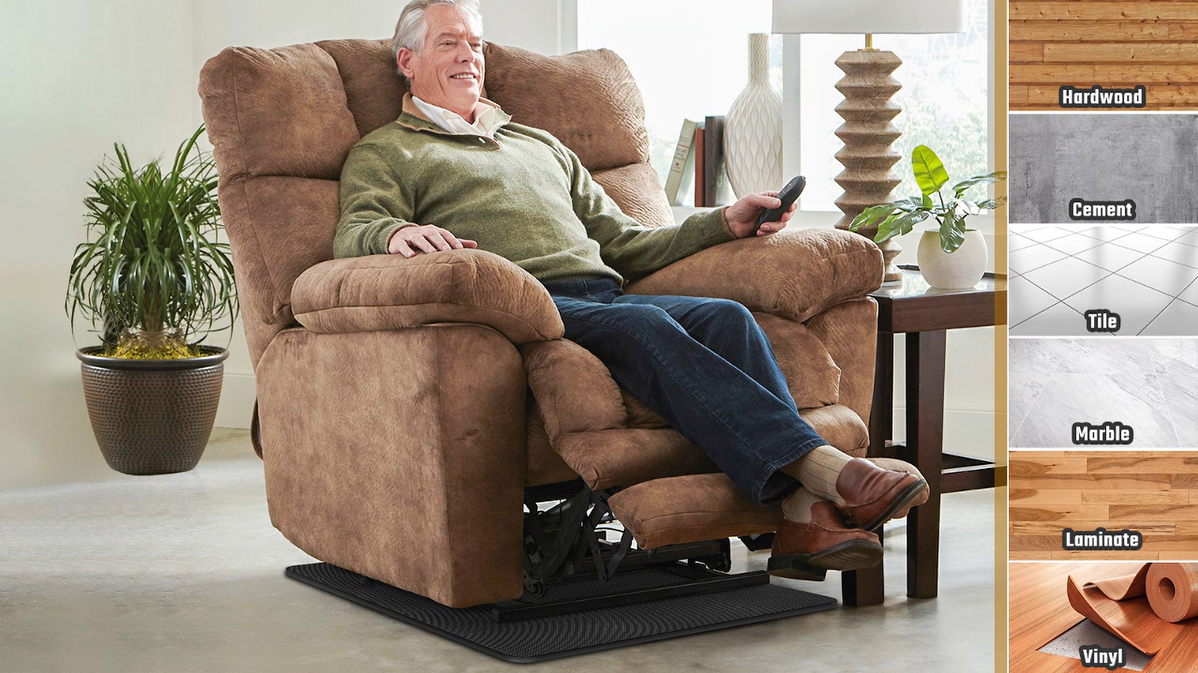
Credit: www.amazon.com
Simple Diy Solutions
Recliners can slide on carpet and cause discomfort or damage. You can fix this with easy DIY methods. These solutions help keep your chair steady and safe.
Try one or more of these simple ideas to stop your recliner from moving on carpet.
Using Rug Grippers
Rug grippers stick under your recliner’s legs or base. They hold the chair in place on the carpet. These grippers are easy to use and remove.
- Clean the carpet area before placing the grippers.
- Cut grippers to fit the recliner’s feet or base size.
- Press firmly to secure the grippers in place.
- Replace grippers if they lose stickiness over time.
Adding Non-slip Pads
Non-slip pads go under the recliner legs to add friction. They are made from rubber or silicone. These pads protect your carpet and stop sliding.
| Pad Type | Material | Best For |
| Self-adhesive pads | Rubber | Small recliner legs |
| Slip-on pads | Silicone | Round or irregular legs |
| Foam pads | Foam with grip | Soft carpets |
Placing A Rug Underlay
Put a rug underlay beneath your recliner to stop sliding. Rug underlays add grip between the carpet and chair. They are easy to cut and fit any area size.
Tips for using rug underlays:
- Choose a non-slip underlay made for carpets.
- Trim the underlay to match your recliner’s footprint.
- Place the underlay flat and secure if needed.
- Check underlay condition and replace if worn out.
Furniture Accessories To Try
Recliners can slide easily on carpet, causing discomfort and damage. Using furniture accessories can stop this problem.
These accessories are easy to use and protect both your recliner and carpet from wear and movement.
Recliner Caster Cups
Recliner caster cups sit under the wheels of your recliner. They hold the wheels in place to stop sliding.
Made from strong materials, these cups also protect the carpet from dents and marks made by the wheels.
- Place a caster cup under each wheel.
- Use cups made of rubber or plastic for best grip.
- Choose cups that match your recliner’s wheel size.
- Check cups regularly and replace if worn.
Anti-slip Furniture Strips
Anti-slip furniture strips attach to the bottom of your recliner’s legs. They increase friction to stop sliding.
These strips are easy to install and remove. They work well on soft carpet and keep your recliner stable.
- Cut strips to fit the size of each leg.
- Stick the strips firmly to the leg bottoms.
- Use strips made from rubber or silicone for strong grip.
- Clean legs before applying strips for better adhesion.

Credit: www.amazon.com
Tips For Long-term Stability
Keeping a recliner stable on carpet prevents unwanted movement and damage. Simple actions can help your recliner stay in place for years.
This guide covers regular maintenance, adjusting your recliner’s position, and choosing the right carpet.
Regular Maintenance
Check the recliner’s base often to keep it steady. Dirt and dust can reduce friction and cause sliding.
- Clean the bottom of the recliner regularly.
- Tighten loose screws or bolts.
- Inspect the feet for wear and replace if needed.
Adjusting Recliner Position
Position the recliner carefully on the carpet to improve grip and prevent sliding.
| Position Tip | Effect |
| Place recliner feet flat on the floor | Increases contact and grip |
| Shift weight evenly on all feet | Reduces rocking and sliding |
| Move recliner away from carpet edges | Prevents uneven support |
Choosing The Right Carpet
Select a carpet that adds friction to stop sliding. The carpet’s material and thickness matter.
Good carpet features for recliners:
- High-pile or plush carpets add grip.
- Rubber-backed carpets reduce movement.
- Carpets with tight weaves may cause sliding.

Credit: www.amazon.com
Frequently Asked Questions
Why Does My Recliner Slide On Carpet?
Recliners slide on carpet due to smooth or worn-out legs. The carpet’s texture may not provide enough grip. This causes instability and potential damage. Proper anti-slip solutions can prevent sliding and protect both furniture and flooring.
How Can I Prevent My Recliner From Sliding?
Use anti-slip pads or rubber grips under recliner legs. You can also place a non-slip rug or mat beneath. These methods increase friction, keeping the recliner stable. Regular maintenance of leg pads helps maintain grip over time.
Are Furniture Grippers Effective On Carpeted Floors?
Yes, furniture grippers work well on carpet. They add traction and reduce movement. Grippers are easy to install and affordable. Choose grippers designed for carpet to ensure maximum hold and prevent sliding.
Can Double-sided Tape Stop A Recliner From Sliding?
Double-sided tape can help but may leave residue. It’s a temporary fix and less durable. For long-term stability, use rubber pads or furniture grippers. These options provide better grip without damaging carpet fibers.
Conclusion
Keeping a recliner steady on carpet is easier than you think. Simple tools like rubber pads or furniture grippers can stop sliding fast. Choose the option that fits your needs and budget. Regular checks help keep the chair in place over time.
Enjoy your recliner without worrying about it moving around. A stable chair means better comfort and safety for everyone. Try these tips today and feel the difference.