Are toys taking over your living space? Imagine a simple way to keep your child’s play area neat and organized without endless clutter.
Building a toy storage cabinet can change your daily routine and bring calm to your home. You’ll discover easy steps to create a storage solution that fits your space and style. Ready to transform chaos into order? Let’s get started!

Credit: www.familyhandyman.com
Choosing The Right Materials
Building a toy storage cabinet needs careful material choices. The right materials keep it strong and safe.
Focus on materials that last long and are safe for kids. This makes the cabinet useful and child-friendly.
Selecting Safe And Durable Wood
Choose wood that is strong and does not splinter easily. Hardwoods like maple and oak work well.
Avoid soft woods that can dent or break. Look for wood with smooth surfaces for safety.
- Maple: Hard and smooth, resists dents
- Oak: Very strong and long-lasting
- Birch: Durable and affordable
- Avoid pine or cedar due to softness
Picking Kid-friendly Finishes
Use finishes that are non-toxic and safe for children. This protects the wood and kids’ health.
Water-based paints and finishes dry quickly and have low fumes. They keep the cabinet looking good and safe.
- Choose water-based polyurethane for protection
- Use non-toxic, lead-free paint
- Test finishes on scrap wood first
- Let the finish dry completely before use

Credit: www.ana-white.com
Designing The Cabinet Layout
Creating a toy storage cabinet requires careful planning. The design should fit your space and organize toys efficiently. Let’s explore how to measure and incorporate shelves and bins.
These steps will help you build a functional and tidy storage solution for toys.
Measuring The Space And Toys
Before building, measure the area where the cabinet will go. Consider the types and sizes of toys you need to store.
| Measurement | Action |
| Height | Determine the tallest toy |
| Width | Consider available wall space |
| Depth | Account for toy bin size |
Incorporating Shelves And Bins
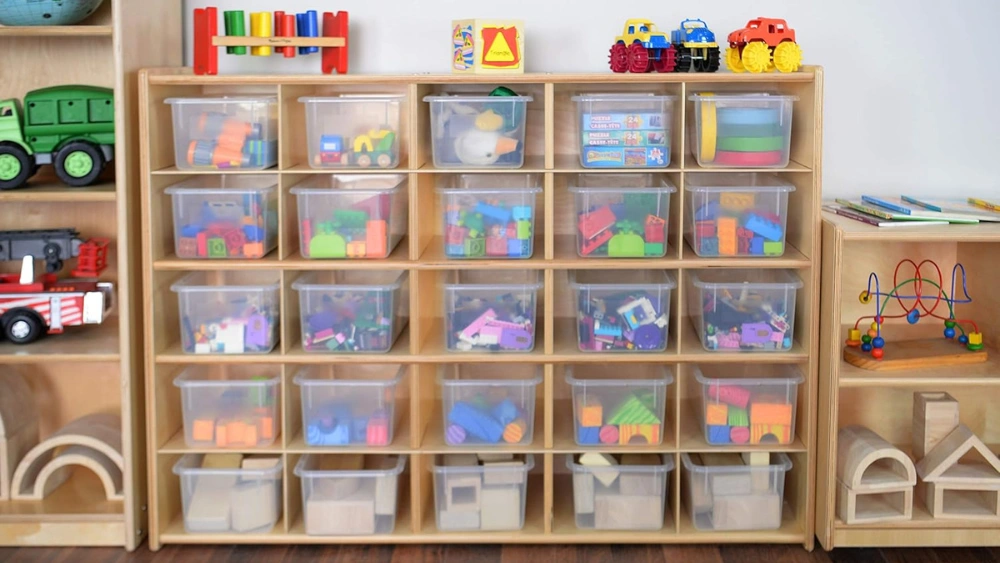
Use shelves and bins to organize toys. This keeps everything neat and easy to find.
- Install adjustable shelves for flexibility.
- Use clear bins to see toy contents easily.
- Label bins for quick identification.
Consider using custom-sizedbins to maximize space.
Step-by-step Assembly
Building a toy storage cabinet is a fun and useful project. You can organize toys neatly and save space.
This guide will show you how to assemble the cabinet step by step. Follow each part carefully for best results.
Cutting And Preparing Pieces
Start by measuring and cutting all the wood pieces you need. Use a saw to cut boards to the right size.
Sand the edges of each piece to avoid splinters. Check that all pieces fit together before assembly.
- Measure twice to ensure accuracy
- Cut side panels, shelves, and back panel
- Sand all cut edges smooth
- Label each piece for easy assembly
Assembling The Frame
Join the side panels and bottom panel to form the frame. Use screws or nails to secure the joints tightly.
Make sure the frame is square before tightening all screws. A square frame helps the cabinet stand stable.
- Attach side panels to bottom panel
- Check for right angles with a carpenter’s square
- Use wood glue for extra strength
- Secure joints with screws or nails
Adding Shelves And Storage Bins
Install shelves inside the frame at the heights you want. Use brackets or screws to hold shelves firmly.
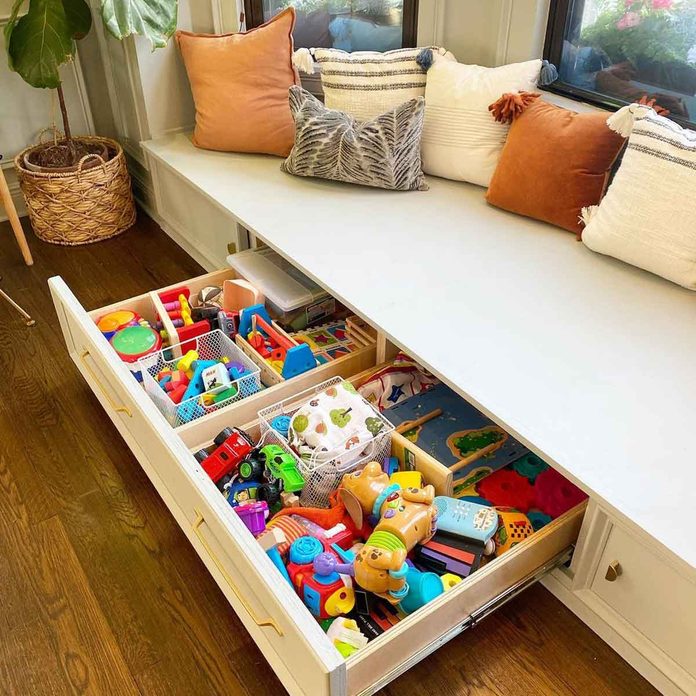
Place storage bins or baskets on the shelves. This keeps toys organized and easy to reach for kids.
- Measure shelf spacing before attaching
- Secure shelves with brackets or screws
- Choose bins that fit shelf width
- Label bins for toy categories
Finishing Touches And Safety Tips
Building a toy storage cabinet is just the start. The finishing touches make it look great. Safety tips keep kids protected while using it.
Careful sanding, painting, and securing the cabinet are key. These steps help the cabinet last long and stay safe in your home.
Sanding And Painting
Sanding smooths the wood and removes rough edges. It helps the paint stick better and prevents splinters.
Use fine-grit sandpaper to sand all surfaces. Wipe off dust before painting. Choose non-toxic, child-safe paint for the best finish.
- Sand edges and corners carefully
- Use a damp cloth to clean dust
- Apply primer before painting
- Use water-based, non-toxic paints
- Apply at least two coats for durability
Securing The Cabinet To The Wall
Fixing the cabinet to the wall stops it from tipping over. This is very important for child safety.
Use strong brackets or straps to secure the cabinet. Find wall studs for the best hold. Check the fixings regularly to keep it safe.
- Locate wall studs with a stud finder
- Attach brackets or straps to studs
- Use screws made for your wall type
- Check tightness every few months
- Keep cabinet away from open flames and water
Credit: www.familyhandyman.com
Frequently Asked Questions
What Materials Are Best For Building A Toy Storage Cabinet?
Wood, plywood, and MDF are ideal for durability and ease of customization. Choose smooth finishes to ensure safety for children. Avoid sharp edges and toxic paints to keep the cabinet child-friendly and long-lasting.
How Do I Design A Toy Cabinet For Easy Organization?
Use multiple shelves, bins, and labeled compartments. This helps separate toys by type and size. Adjustable shelves add flexibility as your child’s toy collection grows. Clear bins make it easier to find toys quickly.
What Tools Are Needed To Build A Toy Storage Cabinet?
Basic tools include a saw, drill, screwdriver, measuring tape, and sander. Safety gear like gloves and goggles is essential. These tools help cut, assemble, and finish the cabinet efficiently and safely.
How Can I Make A Toy Cabinet Safe For Children?
Smooth all edges and corners to prevent injuries. Use non-toxic paint and finishes. Secure the cabinet to the wall to avoid tipping. Ensure handles and knobs are child-friendly and easy to grip.
Conclusion
Building a toy storage cabinet helps keep your space neat. You can customize it to fit your needs and style. It also teaches kids to organize their toys. Using simple tools and steps makes the process easy. Take your time and enjoy the project.
Soon, your toys will have a perfect home. A tidy room feels calm and welcoming. Start building today and see the difference it makes.