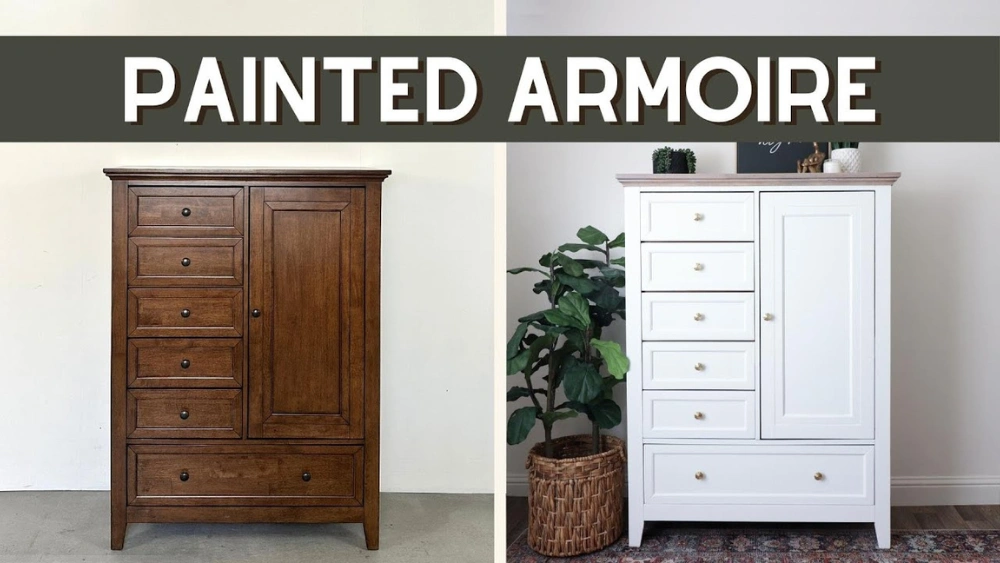
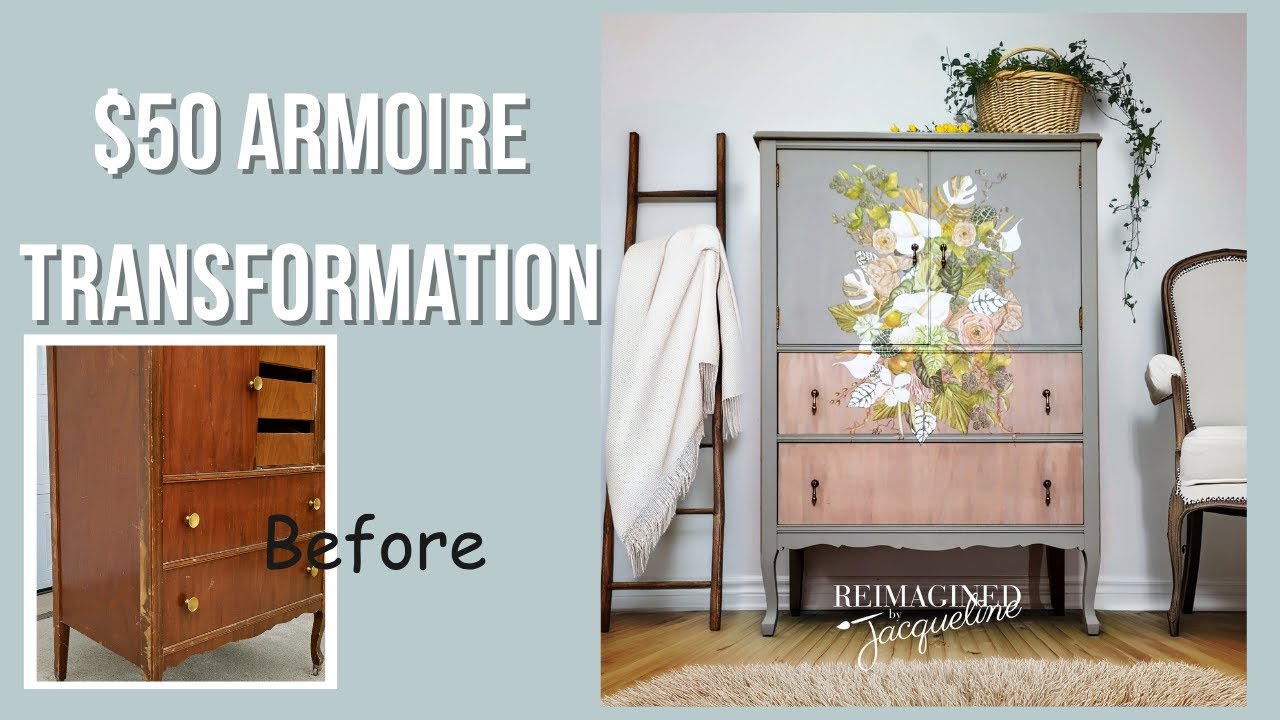
Are you tired of that old, drab armoire sitting in your bedroom, desperately craving a makeover? You’re not alone.
Many of us have pieces of furniture that need a new lease on life, but the thought of sanding can be daunting. What if you could transform your armoire without the hassle of sanding? Yes, it’s possible, and it’s easier than you think.
Imagine breathing new life into your space with a fresh coat of paint, all while skipping the mess and time-consuming effort of sanding. Intrigued? Stick around, because we’re about to reveal the secrets to achieving a flawless, professional-looking finish without breaking a sweat. Your armoire makeover is just a few brush strokes away!
Credit: www.youtube.com
Choosing The Right Paint
Choosing the right paint is crucial when you want to paint an armoire without sanding. The paint must stick well and look smooth on the surface. Picking the wrong paint can lead to peeling or uneven finishes, which is frustrating after all your hard work.
Types Of Paint For Furniture
Not all paints work well on furniture without sanding. You want a paint that adheres directly to the surface and offers good coverage.
- Chalk Paint:This is a popular choice because it sticks well without sanding. It dries quickly and gives a matte, vintage look. You can often skip priming with chalk paint, which saves time.
- Milk Paint:This paint creates a natural, aged effect. It works best on raw wood but can also be used on sealed surfaces with an adhesion additive.
- Acrylic Latex Paint:This paint is water-based and easy to clean up. You’ll need to use a bonding primer first to ensure it sticks properly without sanding.
- Spray Paint:Modern spray paints designed for furniture often have built-in primers. They provide a smooth finish but require careful application to avoid drips.
Consider your armoire’s material and the look you want before choosing the paint type. Have you checked if your furniture finish is glossy or matte? That affects paint adhesion significantly.
Picking The Perfect Color
Color choice can transform your armoire from ordinary to stunning. Think about the room where the piece will live and the mood you want to set.
Light colors can make a space feel bigger and airier. Dark colors add drama and sophistication but might show dust and scratches more easily.
Try testing a small paint patch on a hidden area of your armoire. Observe it in different lighting throughout the day. Does the color still feel right when the sun goes down?
Also, consider how your color choice will pair with existing furniture or décor. Sometimes a bold color is exactly what a room needs to feel refreshed.

Credit: porchdaydreamer.com
Preparing The Armoire Surface
Preparing the surface of your armoire before painting is crucial, especially if you want to skip sanding. A well-prepared surface ensures your paint sticks properly and lasts longer. Taking time on this step can save you frustration and touch-ups later.
Cleaning And Degreasing
Start by wiping down the armoire to remove dust and dirt. Use a damp cloth with mild soap to clean the surface thoroughly. Grease and oils from your hands or kitchen can stop paint from sticking, so don’t skip this part.
For tougher grime, try a degreaser or a solution of water and vinegar. You’ll want to rinse the surface with clean water afterward to avoid residue. Think about how often you clean your furniture—if it hasn’t been cleaned in months, this step becomes even more important.
Using Primer For Better Adhesion
Primer acts like glue between your armoire and the paint. It improves adhesion and covers imperfections, so you get a smooth finish without sanding. Choose a primer that’s designed for the material of your armoire, whether wood, laminate, or metal.
Apply the primer evenly with a brush or roller and let it dry fully before painting. This step can feel tedious, but skipping it often leads to peeling or chipping paint. Have you ever painted something only to have the paint flake off? Primer helps you avoid that problem completely.
Painting Techniques For A Smooth Finish
Achieving a smooth finish on your armoire without sanding is easier than you might think. The right painting techniques can help you skip the mess and still get professional-looking results. It’s about how you prepare the surface, choose your paint, and apply it carefully.
Applying Paint Without Sanding
Start by cleaning your armoire thoroughly. Use a mild soap and water or a degreaser to remove dirt and oils that can stop paint from sticking well.
Next, apply a high-quality bonding primer designed for glossy or sealed surfaces. This step is crucial because it helps the paint stick without sanding the surface rough.
Use a good brush or foam roller to apply the primer in thin, even layers. Thick coats can cause drips and uneven texture, so patience pays off here.
Tips For Even Coats And Drying
After priming, choose a paint with a smooth, creamy consistency like chalk paint or furniture paint. These types often require no sanding and dry to a velvety finish.
Apply paint in several thin coats rather than one thick layer. Thin coats dry faster and reduce the chance of brush marks or bubbles.
- Work in a well-lit area to spot missed spots or uneven patches early.
- Allow each coat to dry fully before adding the next—rushing leads to a rough finish.
- Lightly tap the surface with your fingers after drying; if it feels rough, add another thin coat.
Have you ever noticed how a rushed paint job shows every imperfection? Taking your time with thin, even layers makes a huge difference. What could happen if you skipped this step to save time?
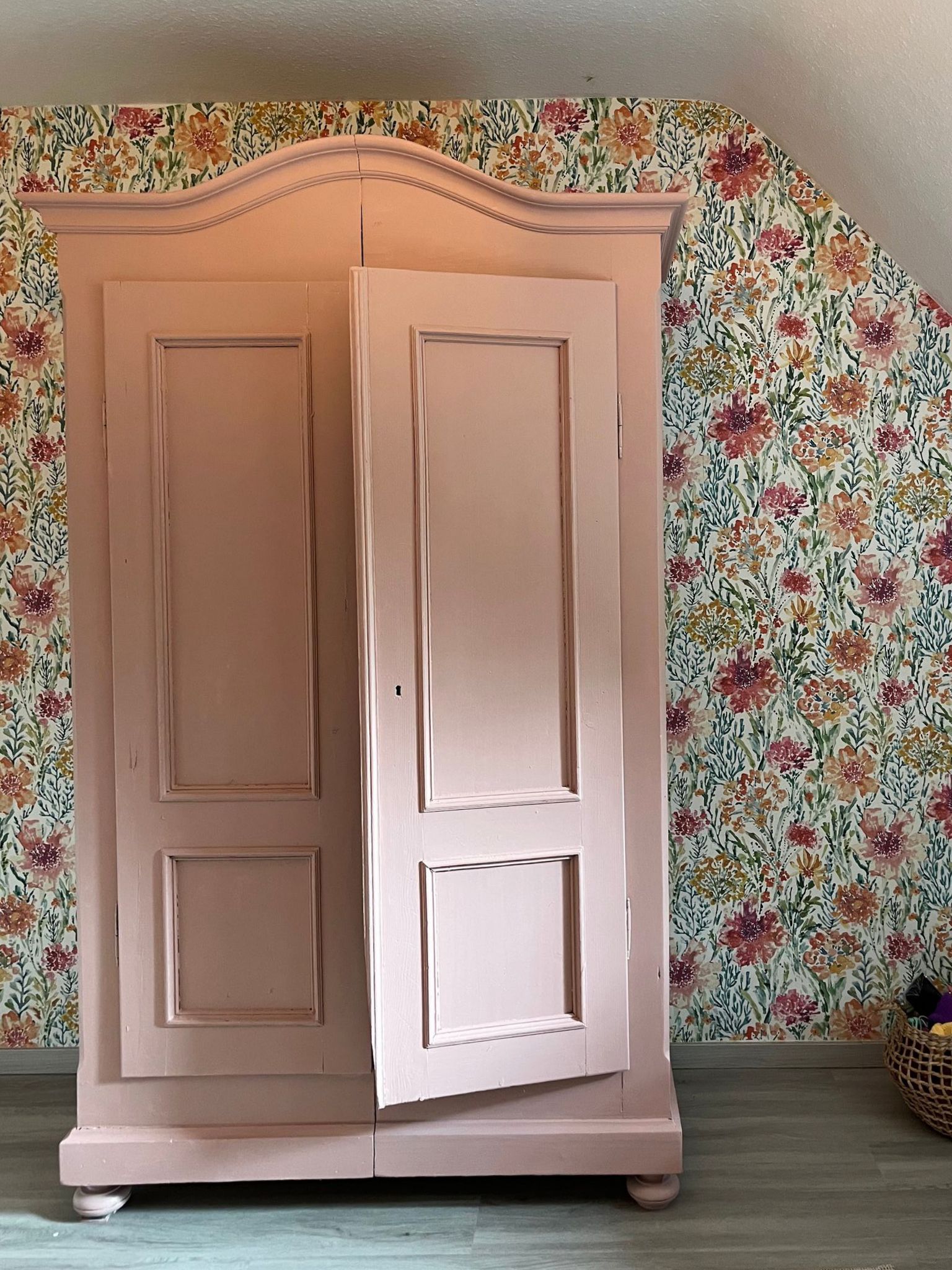
Credit: www.misspompadour.com
Frequently Asked Questions
How Can I Paint An Armoire Without Sanding?
To paint without sanding, clean the surface thoroughly and apply a high-quality primer. Use chalk or milk paint for better adhesion. This method saves time and prevents dust, giving a smooth finish without damaging the wood.
What Paint Types Work Best Without Sanding?
Chalk paint and milk paint work best without sanding. They adhere well to most surfaces and require minimal prep. Use a bonding primer with latex or acrylic paint for extra durability on smooth or glossy finishes.
Do I Need To Prime Before Painting An Armoire?
Yes, priming is essential to ensure paint sticks well. Use a bonding primer to seal the surface and prevent peeling. Priming also helps hide imperfections and improves paint durability without sanding.
Can I Skip Sanding On A Glossy Armoire?
Yes, but you must use a deglosser or liquid sandpaper. This preps the surface by removing shine and improves paint adhesion. After applying a bonding primer, paint as usual for a smooth, lasting finish.
Conclusion
Painting an armoire without sanding saves time and effort. Use the right primer and paint for a smooth finish. Clean the surface well before starting. Take your time with each coat for best results. This method keeps your furniture looking fresh and new.
Enjoy your updated armoire without the mess of sanding. Simple steps can make a big difference. Try this easy way for your next project.