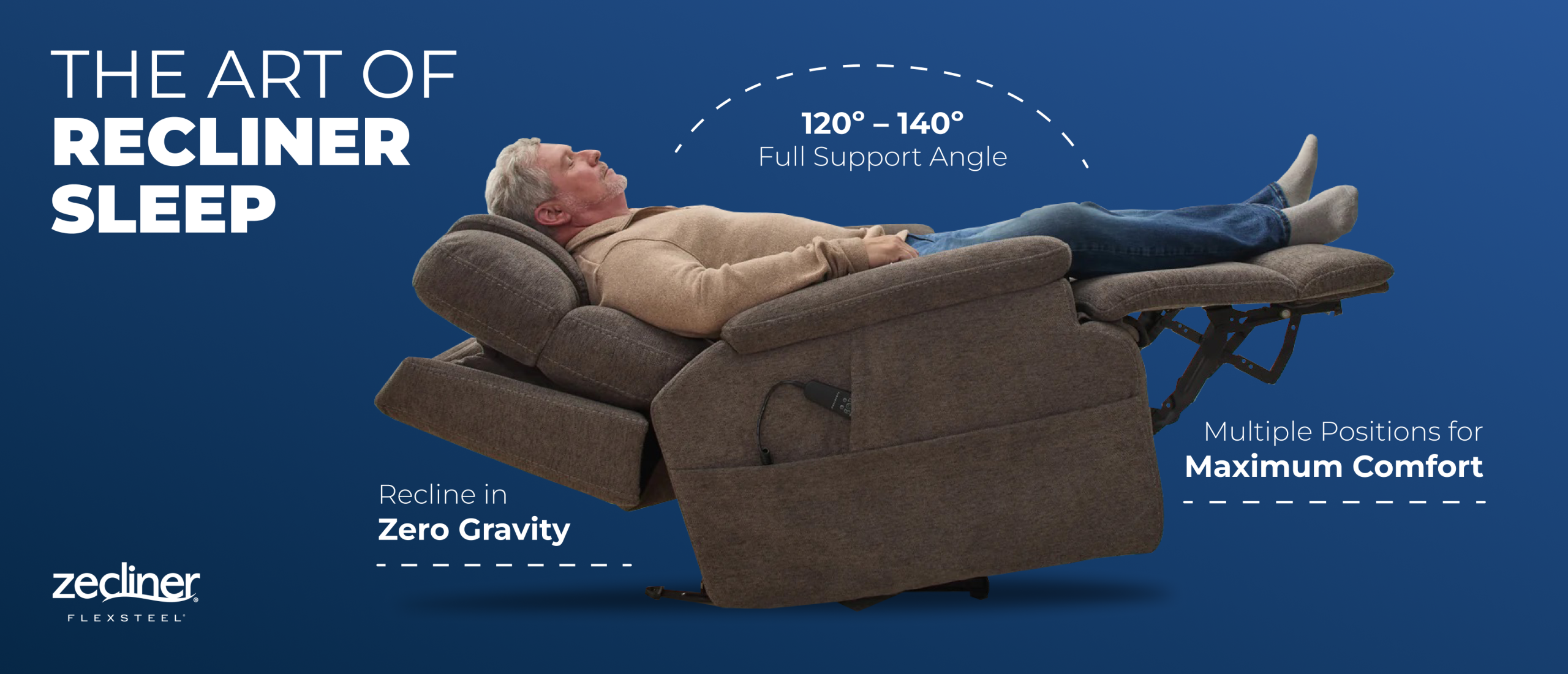
Have you ever wondered if sleeping in a recliner is actually okay for your body and sleep quality? Maybe you find yourself dozing off there after a long day or considering it as an alternative to your bed.
But is it really a good idea, or could it be doing more harm than good? You’ll discover the surprising facts about sleeping in a recliner, how it affects your health, and what you can do to make it comfortable and safe—so you can rest easy, no matter where you sleep.
Keep reading to find out what experts say and how to make the best choice for your sleep.
Credit: www.duroflexworld.com
Benefits Of Sleeping In A Recliner
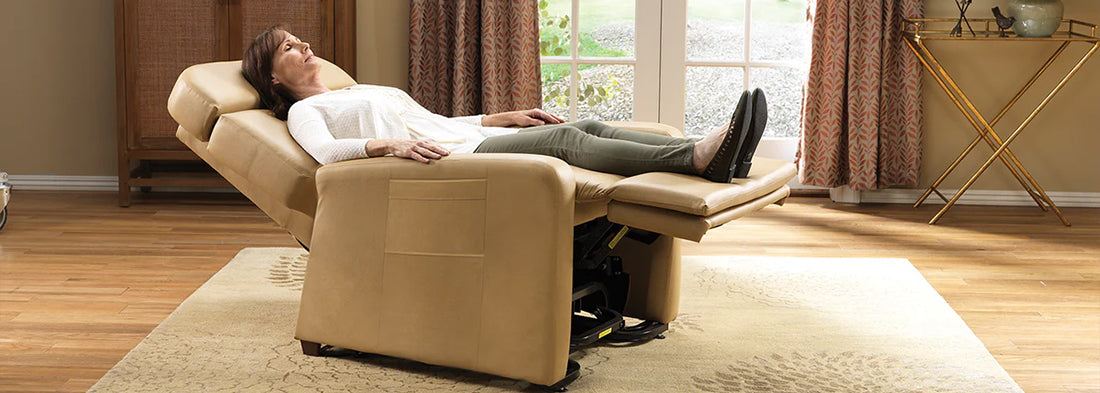
Sleeping in a recliner can offer several health benefits. It provides a different sleeping posture than a regular bed. This change can help with certain body problems.
Many people find relief by resting in a reclined position. It supports the body in ways that improve comfort and health.
Improved Circulation And Reduced Swelling
Sleeping in a recliner helps blood flow better. Elevating the legs can reduce swelling in the feet and ankles. This is good for people who stand or sit for long times.
- Elevates legs to reduce fluid buildup
- Prevents blood pooling in lower limbs
- Helps avoid varicose veins and discomfort
- Supports heart health by easing blood return
Relief For Back And Neck Pain
A recliner supports the natural curve of your spine. It can reduce pressure on your back muscles. Neck pain also eases by keeping the head elevated and aligned.
| Benefit | How It Helps |
| Spine Support | Maintains natural spine curve and reduces strain |
| Muscle Relaxation | Less pressure on back muscles eases pain |
| Neck Alignment | Keeps head elevated to prevent stiffness |
Aid For Respiratory Issues
Sleeping in a recliner can help breathing. It opens airways and reduces snoring. This position is helpful for people with sleep apnea or asthma.
- Helps keep airways clear
- Reduces pressure on the lungs
- Improves oxygen flow during sleep

Credit: www.aol.com
Potential Health Risks
Sleeping in a recliner may seem comfortable. Still, it can cause some health problems over time.
Understanding these risks helps you decide if a recliner is good for your sleep.
Impact On Spinal Alignment
Recliners do not always support your spine the right way. This can cause your back to curve unnaturally.
Poor spinal alignment may lead to back pain and stiffness in the morning.
- Neck may bend forward or sideways
- Lower back might not get enough support
- Pressure on spinal discs can increase
Increased Risk Of Pressure Sores
Sitting or sleeping in a recliner for many hours can reduce blood flow. This can cause pressure sores on the skin.
People who have trouble moving or feel numbness are more at risk.
- Pressure on hips and lower back
- Skin may become red or sore
- Severe cases can lead to open wounds
Possible Sleep Disruptions
Recliners may not allow deep, restful sleep. The position can cause you to wake up often.
Disrupted sleep can affect mood, energy, and overall health.
- Head may slip forward, causing snoring
- Legs can feel uncomfortable or numb
- Less ability to move freely during sleep
Who Should Consider Recliner Sleeping
Sleeping in a recliner is not for everyone. Some people find it helpful and comfortable. It can support health needs and ease pain.
This option may suit those with certain medical or mobility challenges. Let’s explore who might benefit the most.
People With Sleep Apnea
Sleep apnea causes breathing to stop during sleep. Lying flat can make it worse. A recliner lifts the upper body to help keep airways open.
Sitting up slightly can reduce snoring and improve breathing. This position may help people with mild to moderate sleep apnea feel better.
Individuals With Mobility Challenges
People with limited movement may find it hard to get in and out of bed. A recliner can be easier to use than a bed.
The chair’s adjustable features allow for comfortable resting and easier standing up. It supports good posture and reduces strain.
- Helps with sitting and standing
- Supports different body positions
- Reduces pressure on joints
Post-surgery Recovery
After surgery, lying flat may cause pain or swelling. A recliner lets patients rest with the upper body raised. This can lower discomfort.
Elevating legs or back can improve blood flow and reduce swelling. Recliner sleeping can help with healing and comfort during recovery.
- Reduces pressure on surgical areas
- Improves circulation
- Offers easy position changes

Credit: www.aol.com
Tips For Comfortable Recliner Sleep
Sleeping in a recliner can be a good choice for many people. It offers support and comfort in a different way than a regular bed. To make your recliner sleep more comfortable, you need to follow some simple tips.
This guide covers how to pick the right recliner, how to position yourself, and what accessories can help support your body while you rest.
Choosing The Right Recliner
Picking a recliner that fits your body and sleeping habits is key. Look for a chair that supports your back and neck well. The material should be soft but firm enough to hold your body in place.
- Choose a recliner with adjustable positions to change your angle.
- Select a model with good lumbar support.
- Consider the size to make sure it fits your height and weight.
- Look for breathable fabric to keep you cool at night.
Proper Positioning Techniques
How you sit or lie in the recliner affects your sleep quality. Adjust the recliner so your legs are slightly elevated. Your head should rest comfortably with support to avoid neck strain.
| Body Part | Best Position |
| Back | Slightly reclined with lumbar support |
| Legs | Elevated to reduce pressure |
| Neck | Supported with a soft pillow |
| Arms | Resting naturally on armrests |
Incorporating Supportive Accessories
Adding some simple accessories can improve your comfort a lot. Pillows and cushions help keep your body aligned. A blanket can keep you warm without bulk.
- Memory foam neck pillow for extra head support
- Small lumbar cushion to ease lower back pressure
- Soft throw blanket for warmth
- Armrest covers to add padding
Frequently Asked Questions
Is Sleeping In A Recliner Good For Your Back?
Sleeping in a recliner can relieve back pain by supporting natural spine curves. However, prolonged use may cause stiffness or discomfort. It’s best for short-term use or specific conditions, but not recommended as a long-term sleep solution.
Can Sleeping In A Recliner Affect Sleep Quality?
Sleeping in a recliner may reduce deep sleep stages due to limited movement. Some find it comfortable and restful, while others experience disrupted sleep. It depends on individual preference and any existing health conditions.
Who Should Avoid Sleeping In A Recliner?
People with severe back problems, circulation issues, or certain respiratory conditions should avoid sleeping in recliners. It may worsen symptoms or cause discomfort. Always consult a healthcare professional before choosing a recliner for regular sleep.
Does Sleeping In A Recliner Help With Acid Reflux?
Yes, sleeping in a recliner can reduce acid reflux by elevating the upper body. This position prevents stomach acid from rising into the esophagus, easing symptoms. It’s a recommended option for those suffering from GERD or heartburn.
Conclusion
Sleeping in a recliner can feel comfortable for short times. It may help if you have back pain or need to sit up. But long-term use might cause stiffness or poor sleep quality. Make sure your chair supports your body well.
Try to keep good posture and change positions often. Listen to your body and rest in a bed when you can. Balance comfort with healthy habits for better sleep and wellness.