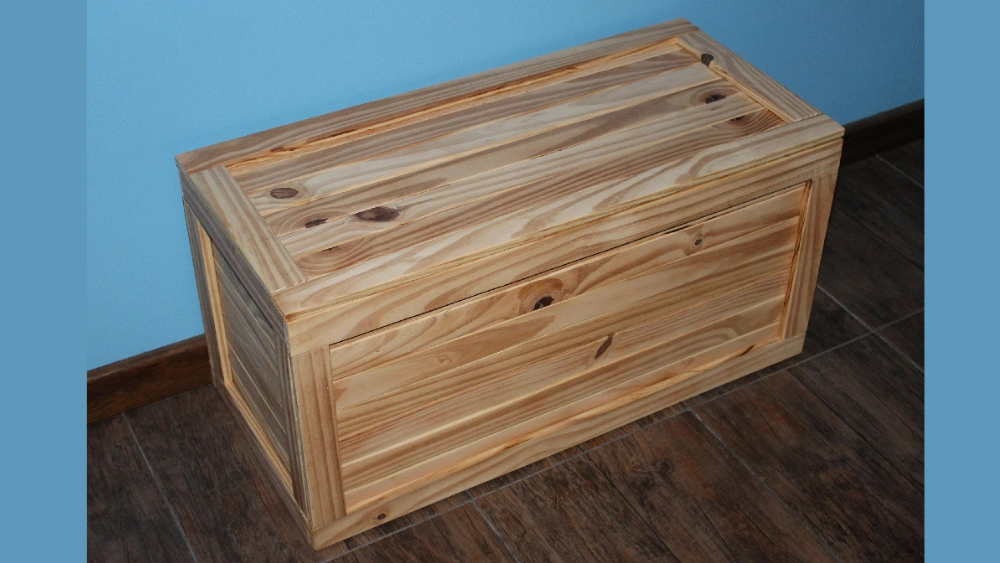
Imagine finding a beautiful wooden chest that perfectly complements your living space. It’s not just a piece of furniture; it’s a treasure trove of memories and stories.
But, like any cherished item, it requires care to ensure it remains stunning and functional. You might wonder: How do you shield this beloved chest from scratches, moisture, and other forms of damage? This is where the magic of preservation comes into play.
By learning how to protect your wooden chest, you not only extend its life but also preserve its charm and value. Dive into this guide to discover simple yet effective strategies to keep your wooden chest in pristine condition. Your treasure deserves nothing less.

Credit: www.youtube.com
Preventing Moisture Damage
Moisture is one of the biggest enemies of wooden chests. It can cause warping, mold, and even rotting if left unchecked. Protecting your chest from moisture damage is essential to keep it looking great and lasting for years.
Choosing The Right Location
Where you place your wooden chest matters a lot. Avoid spots near windows or exterior walls where condensation can build up. Basements and garages often have higher moisture levels, which can harm the wood over time.
Look for a dry, well-ventilated area inside your home. If you must keep it in a humid environment, consider elevating the chest off the floor to reduce direct contact with damp surfaces.
Using Protective Covers
Protective covers can shield your chest from dust and accidental spills. Use breathable fabric covers rather than plastic ones, which trap moisture and worsen damage. Cotton sheets or linen covers work well to allow air circulation while protecting the surface.
Think about adding a waterproof mat underneath if your chest sits on a potentially damp floor. This small step can prevent moisture from seeping into the wood.
Controlling Humidity Levels
Humidity control is key to preventing moisture damage. Use a hygrometer to monitor the humidity in the room where your chest is stored. Ideally, keep indoor humidity between 40% and 60% to protect wooden furniture.
Dehumidifiers can be a great investment if you notice persistent dampness. In contrast, small moisture absorbers inside the chest, like silica gel packs, help keep the interior dry without affecting the wood’s natural texture.
Credit: www.woodworkingtalk.com
Maintaining The Wood Surface
Maintaining the wood surface of a wooden chest keeps it strong and beautiful. Regular care prevents damage from moisture, dust, and scratches. Simple steps help extend the chest’s life and preserve its natural look.
Cleaning Techniques
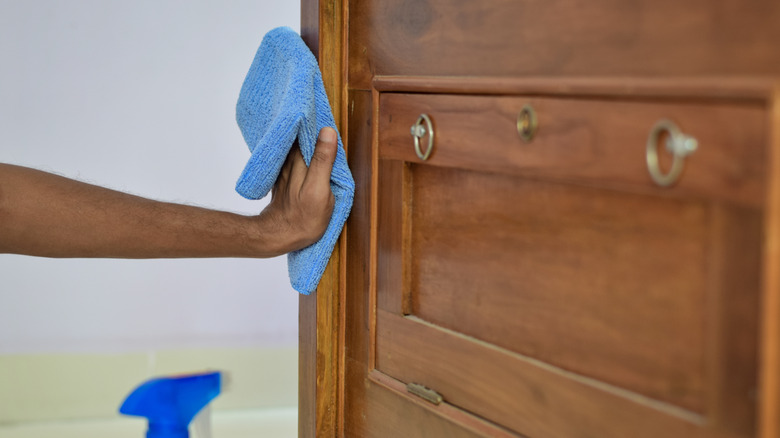
Remove dust with a soft, dry cloth. Avoid using water or harsh chemicals that can harm the wood. For sticky spots, use a damp cloth with mild soap. Dry the surface immediately after cleaning. Always clean gently to avoid scratches.
Applying Wood Treatments
Wood treatments protect against dryness and cracks. Use oils like linseed or tung oil to nourish the wood. Apply with a soft cloth, following the grain of the wood. Let the oil soak in for several hours. Wipe off any excess to prevent a sticky surface.
Polishing And Waxing
Polishing adds shine and extra protection. Use a polish made for wood, applied with a clean cloth. Waxing creates a protective layer that repels dust and moisture. Apply wax thinly and evenly, then buff until smooth. Repeat every few months for best results.
Avoiding Physical Damage
Protecting a wooden chest from physical damage keeps it looking good and lasting longer. Physical damage can cause scratches, dents, and cracks. Taking simple steps helps avoid these problems and preserves the chest’s beauty.
Handling With Care
Lift the chest instead of dragging it on the floor. Use both hands to support its weight evenly. Avoid placing heavy objects on top of the chest. Move it slowly to prevent bumps and knocks. Handle the chest gently to keep its wood intact.
Using Protective Pads
Place soft pads under the chest’s legs or base. Pads stop scratches on the floor and chest bottom. Use felt or rubber pads for better grip and protection. Replace pads if they wear out to maintain protection. Pads also reduce noise when moving the chest.
Regular Inspections
Check the chest often for signs of damage. Look for scratches, cracks, or loose joints. Early detection helps fix problems before they worsen. Clean dust and dirt during inspections to avoid surface damage. Regular care keeps the chest strong and attractive.
Credit: www.housedigest.com
Frequently Asked Questions
How Can I Prevent Scratches On My Wooden Chest?
Use soft cloths when cleaning and avoid placing sharp objects on the chest. Apply a protective wax or polish regularly to maintain the surface and reduce scratches.
What’s The Best Way To Protect Wood From Moisture Damage?
Keep the chest in a dry area away from humidity. Use a dehumidifier if necessary and apply water-resistant sealants to protect the wood from moisture.
How Often Should I Treat A Wooden Chest With Polish?
Treat your wooden chest every 3 to 6 months. Regular polishing nourishes the wood and protects it from drying out and cracking.
Can Sunlight Damage A Wooden Chest?
Yes, direct sunlight can cause fading and warping. Place the chest away from windows or use curtains to block harsh sunlight.
Conclusion
Protecting a wooden chest takes simple, regular care. Clean it gently and avoid harsh chemicals. Keep it away from direct sunlight and moisture. Use protective finishes to shield the wood surface. Check for damage often and fix small issues fast.
These steps keep your chest looking good longer. Enjoy your wooden chest for many years. Small efforts make a big difference. Take care today to save problems tomorrow.